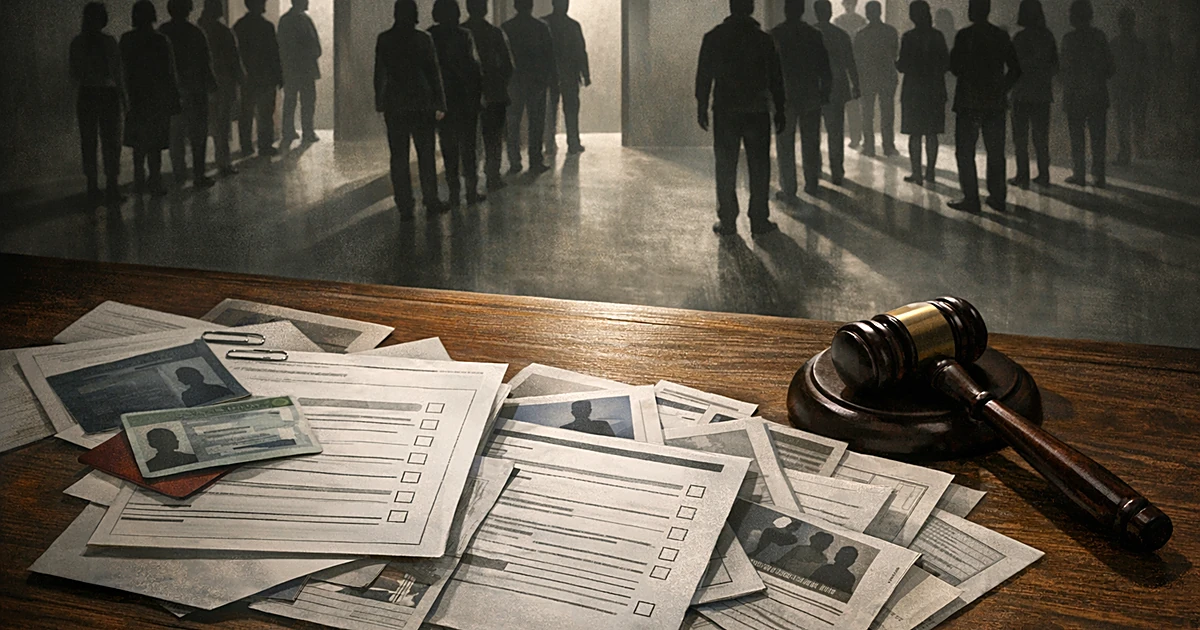
Hegseth proposes use of military bases for immigrant detention
Defense Secretary Pete Hegseth’s bold plan to house detained immigrants at military bases in Indiana and New Jersey has sparked a firestorm of debate, as the Associated Press reports. His proposal, rooted in President Donald Trump’s aggressive immigration enforcement, aims to tackle the growing need for detention space. Yet, it’s already drawing sharp criticism from Democrats and civil rights advocates who see it as a step too far.
Hegseth announced that Camp Atterbury in Indiana and Joint Base McGuire-Dix-Lakehurst in New Jersey could serve as temporary detention centers for immigrants.
This move aligns with Trump’s policies to detain and deport unauthorized migrants, including many without criminal records. It’s a practical response to a strained system, though skeptics question its broader implications.
This week, Hegseth informed lawmakers from both states about the plan. He assured them that housing detainees would not disrupt military operations or training at these bases. Still, the absence of a clear timeline for implementation raises questions about the plan’s readiness.
Trump’s immigration push intensifies
President Trump’s administration has prioritized expanding detention capacity to support its immigration crackdown. Tom Homan, Trump’s border czar, emphasized the urgency, stating, “The faster we get the beds, the more people we can take off the street.” His blunt pragmatism underscores the administration’s no-nonsense approach, but it sidesteps deeper ethical concerns.
Homan revealed that the current system has about 60,000 beds for detained immigrants. The goal is to scale up to 100,000 beds to meet rising demand. Critics argue this expansion signals an overly aggressive stance that risks overreach.
New Jersey’s Democrat delegation fired back, claiming the plan “kindizes military preparedness” and sets the stage for widespread ICE raids.
Their hyperbolic language seems designed to inflame rather than inform, ignoring the fact that these bases have housed refugees before. Fearmongering about community raids feels like a distraction from the real issue: border security.
Historical precedent cited
Using military bases for immigration purposes isn’t new. During Trump’s first term, bases like Fort Bliss and Goodfellow Air Force Base in Texas detained immigrant children. Similarly, in 2014, President Obama used military facilities to house Central American families crossing the border.
Camp Atterbury and Joint Base McGuire-Dix-Lakehurst have recent experience housing Afghan and Ukrainian refugees.
This track record suggests the facilities are equipped to handle temporary populations without compromising their primary functions. Critics conveniently overlook this precedent when decrying the plan.
Democrat Rep. Andre Carson of Indiana called the need for expanded detention space “disturbing.” His reaction reflects a broader progressive discomfort with enforcing immigration laws. Yet, without viable alternatives, such criticism rings hollow.
Civil rights activists cry foul
Amol Sinha, executive director of the American Civil Liberties Union of New Jersey, argued that using military bases for detention is “contrary to the values embedded in our Constitution.” His lofty rhetoric ignores the practical reality of managing a surge in unauthorized migration. Constitutional values don’t crumble when facilities are repurposed to address a crisis.
Sinha’s claim also sidesteps the fact that these bases have been used similarly before without constitutional calamity. The ACLU’s alarmism seems more about opposing Trump than offering constructive solutions. Hyperbolic objections risk drowning out legitimate debate.
Hegseth’s proposal doesn’t specify whether other military bases are under consideration. This ambiguity fuels speculation and unease among critics. Clarity on the plan’s scope would help temper the overheated rhetoric.
Balancing security with compassion
Homan’s focus on securing “any available bed space” reflects a system stretched thin by increased detentions. His comment about meeting “detention standards we’re accustomed to” suggests an effort to maintain humane conditions. Critics should acknowledge this intent rather than assuming the worst.
The plan’s detractors, like New Jersey’s Democrats, warn of militarizing immigration enforcement. But using existing infrastructure to address a pressing need isn’t militarization -- it’s resourcefulness. The alternative -- overcrowded facilities or lax enforcement -- serves no one.
Hegseth’s assurance that military readiness won’t suffer is a key selling point. If executed properly, this plan could ease pressure on the immigration system while respecting the military’s core mission. Time will tell if the administration can deliver on that promise.