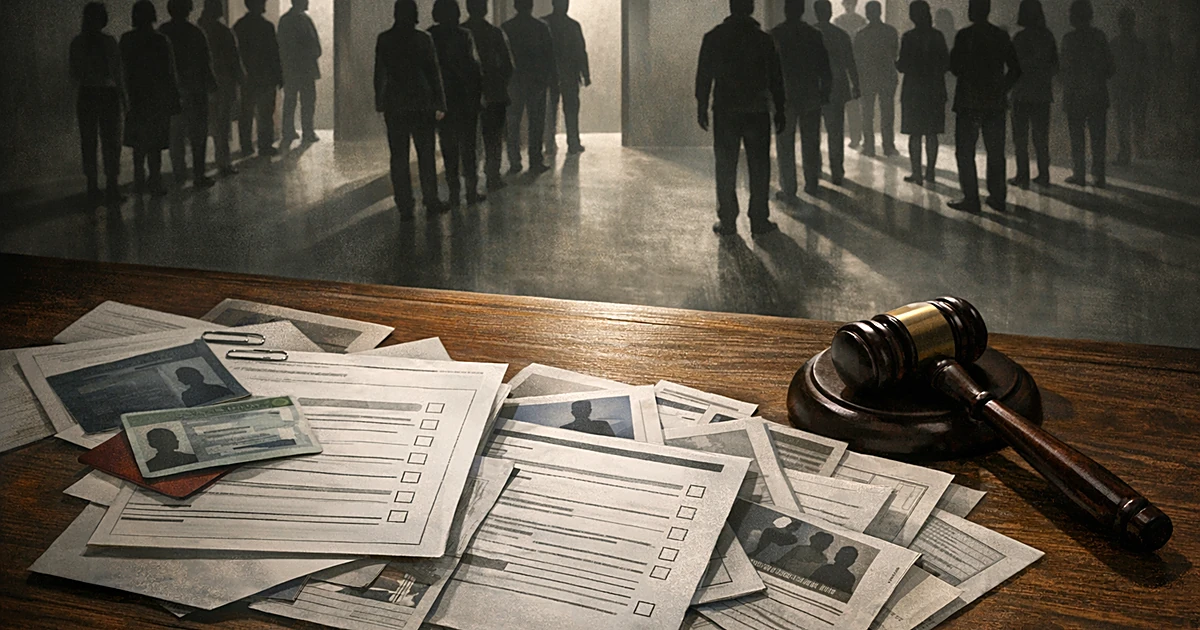
Trump administration revives stricter citizenship exam standards
A push to restore a tougher U.S. citizenship test is underway, signaling a return to standards that prioritize a deeper grasp of American values. This move by the Trump administration aims to ensure naturalization isn't just a box to check but a meaningful milestone.
According to Newsmax, the U.S. Citizenship and Immigration Services, under newly appointed Director Joseph Edlow, plans to reinstate the more challenging 2020 version of the test. The goal is to address concerns that the current exam falls short of reflecting the gravity of becoming an American citizen.
Edlow has openly criticized the existing format, stating, "The test, as it's laid out right now, it's not very difficult." He's right to question a system where nearly 90% pass on their first try, often by rote memorization rather than genuine understanding.
Revisiting the 2020 Test Framework
The proposed changes would expand the civics question bank from 100 to 128, while requiring 12 correct answers out of 20, up from the current six out of 10. This isn't just a numbers game; it's about ensuring applicants engage more deeply with America's history and governance.
A new speaking component is also on the table, where applicants describe everyday images like the weather or meals to demonstrate English fluency. This practical twist moves beyond mere vocabulary to test real-world communication skills.
While some may see this as an added hurdle, it’s a fair expectation for those seeking the privilege of citizenship. If we’re serious about integration, language proficiency in daily contexts shouldn't be negotiable.
Concerns Over Accessibility and Fairness
Critics, however, argue that these revisions could disproportionately burden vulnerable groups, such as refugees with limited formal education. Mechelle Perrott, a citizenship coordinator in San Diego, noted, "It's more difficult learning to read and write if you don't know how to do that in your first language."
Her point carries weight, especially for those fleeing war-torn regions with little access to schooling. Yet, while empathy is due, the solution isn't to lower standards but to bolster support systems like language classes and preparatory resources.
Watering down the test risks devaluing citizenship itself, turning it into a mere formality rather than a proud achievement. Striking a balance means offering help to those in need, not handing out passes.
A History of Test Evolution
The citizenship exam has seen multiple updates over the years, starting with standardization under President George W. Bush in 2008. Trump's first term brought a significant overhaul in 2020, later scaled back by the Biden administration in 2021.
Even a redesign attempt in late 2024 was abandoned after negative feedback, showing how contentious these changes can be. This history suggests a constant tug-of-war between accessibility and rigor, with no easy answers.
Still, the instinct to revisit tougher standards aligns with a broader push to preserve the weight of American citizenship. Trump himself has called it "one of the most priceless gifts ever granted by human hands," a sentiment that resonates when nearly 820,000 were naturalized in 2024 alone.
Restoring Meaning to Naturalization
The debate over test difficulty isn't just bureaucratic nitpicking; it’s about what citizenship should represent in a nation built on shared ideals. Raising the bar, if done with care, can reinforce that becoming American is a commitment, not a casual step.
Yes, we must account for the challenges faced by diverse applicants, many of whom have overcome immense hardship to reach our shores. But let’s meet those challenges with robust education and support, not by diminishing the very process that binds us as a nation.
In the end, reviving the 2020 test standards could serve as a reminder that citizenship is earned through understanding and effort. If we value this gift, as Trump describes it, then ensuring its integrity through a meaningful exam is a step worth taking.