Pastor’s viral Rapture claim fuels TikTok storm
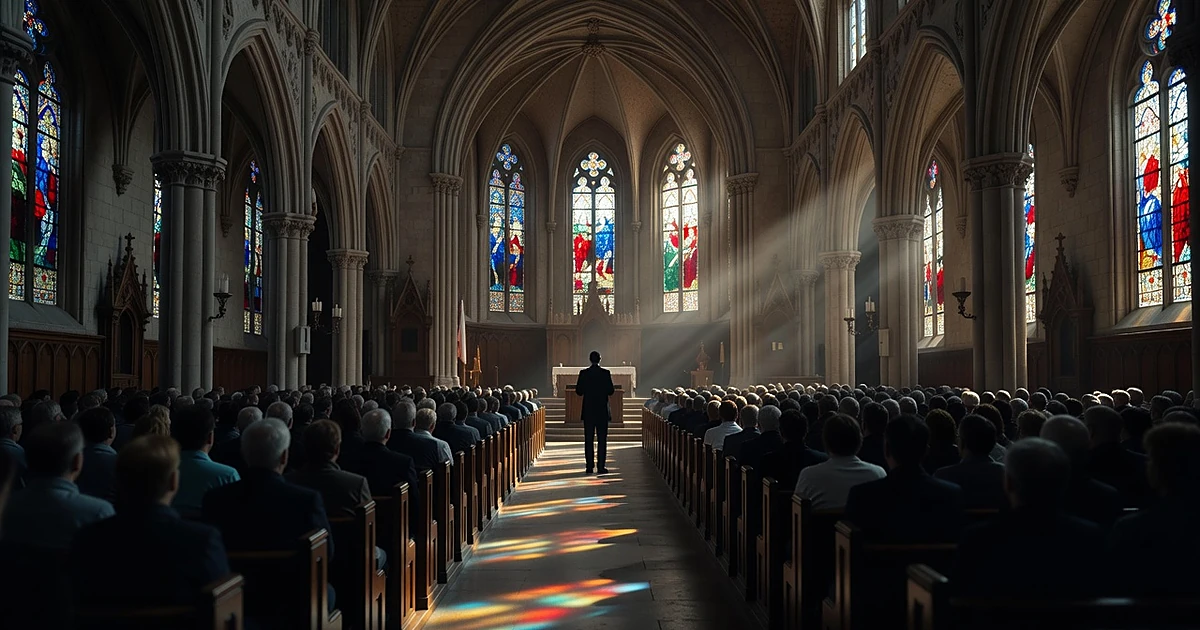
A South African pastor's bold prediction that the Rapture would occur on Sept. 23 has stirred up intense reactions both online and off.
KSLA reported that Joshua Mhlakela’s prophecy, which he says was prompted by a divine vision, sparked a viral frenzy on TikTok that has mixed spiritual fear, satire, and heated theological debate.
Mhlakela, a Christian pastor based in South Africa, claims he received a direct message from Jesus Christ that foretold when the Rapture — the biblical event where believers ascend to heaven — would happen. He stated the event would align with the Jewish New Year, Rosh Hashanah, falling on Sept. 23. His message quickly spread across social media platforms, where many reacted swiftly, either with faith or skepticism.
Preacher Claims Direct Message From Jesus
According to video posts shared across his channels, Mhlakela told his followers that the vision was accompanied by the audible sound of a trumpet. "No human being on this earth is ready for what is coming. I began to hear literally in my ear the sound of the trumpet," he said. He stressed his certainty about the timing, saying he was “a billion percent sure” of the date.
Mhlakela's videos have gained significant traction, especially on TikTok, under the hashtag #RaptureTok. The content tagged with this hashtag includes emotional testimonies from viewers who believe in the prophecy, as well as humorous content poking fun at it. These videos range from staged re-creations of clothing left behind in driveways to tongue-in-cheek recommendations about purchasing new underwear for a proper departure to heaven.
In one viral video, a user joked about concerns over what would happen to pets left behind after believers ascend. Others turned the trend into cinematic sketches, including mock newscasts announcing disappearances and car crashes caused by sudden vanishings. The mix of comedy, fear, and faith has made #RaptureTok a trending topic as the supposed date approaches.
Some Respond With Real-Life Sacrifices
While much of the online reaction has leaned into humor, some individuals have made serious changes to their lives in anticipation of the Rapture. A few users on TikTok claimed they had quit their jobs or sold off personal belongings, choosing to dedicate their final days to prayer and spiritual reflection. Emotional farewell messages have also circulated, with participants urging loved ones to be ready for what they believe is coming.
Mhlakela, in one of his broadcasts, emphasized urgency: "The Rapture is upon us. Whether you are ready or you are not ready, the Rapture in 14 days from now is going to take place." These statements have only fueled the tension among certain followers, while drawing considerable backlash from critics and theologians alike.
Many mainstream Christian leaders have condemned Mhlakela’s prediction as misguided. They cite Bible passages, such as Matthew 24:36, which state that no one — not even angels — knows the exact day or hour of the end times. Religious scholars have echoed this stance, pointing out that such specific predictions often lead to hysteria and confusion, rather than genuine spiritual growth.
Religious Experts Refute Date-Specific Prophecies
Church leaders have reminded believers that throughout history, various end-time predictions have been made — and all have failed. They argue that focusing on a specific date detracts from the message of faith and preparedness that Christian teachings emphasize. Instead, they advocate for continual spiritual readiness rather than reaction to apocalyptic forecasts.
Despite this, Mhlakela has doubled down on his assertions. He insists that the vision he received is different from past failed prophecies. His followers have praised what they call his spiritual courage, while critics warn of emotional and financial risks tied to such fervent belief in a specific timeline.
In light of the controversy, pastors around the world are delivering sermons addressing the dangers of prophetic misinterpretation. Discussions on the topic have expanded across platforms, with hashtags like #BibleTruth and #WhatScriptureSays gaining momentum in contrast to #RaptureTok.
Online Debate Reflects Broader Spiritual Divide
For many social media users, the conversation has highlighted broader questions about faith in the digital age. Comment sections have become spaces for scripture-based debates, humorous speculation, and heartfelt expressions of faith. The contrast between believers acting on Mhlakela’s claim and those mocking or questioning it reflects a community deeply divided in both belief and interpretation.
Though the predicted date has passed without incident, discussion continues online. Many users have returned to the hashtag to reflect, apologize for panic-driven actions, or double down on deeper interpretations of the prophecy’s “spiritual meaning.” Some suggest the prophet may have been referring to a symbolic transformation rather than a literal Rapture event.
Mhlakela, for his part, has not walked back his statements. He continues to post videos referencing the vision and encouraging followers to remain spiritually prepared. His message now emphasizes more general spiritual urgency, while still maintaining the credibility of his earlier prophetic claims.
Aftermath Highlights Dangers of Viral Prophecies
Experts on online influence warn that viral religious content blends emotionally charged themes with entertainment elements, making it difficult for audiences to discern truth from spectacle. The #RaptureTok trend, they say, is a prime example of how easily social media can transform theological discussion into mass hysteria or mass comedy.
As religious communities recover from the emotional highs and lows of the prophecy, some churches have reported an uptick in attendance, driven by renewed interest in spiritual questions. Others continue to address what they call the spiritual wounds left by sensational predictions and their aftermath.
While the world remains uncertain about when—or if—a Rapture will occur, this latest episode underscores the power and pitfalls of faith in the age of virality.