Iraq War veteran identified as attacker in deadly Grand Blanc church shooting
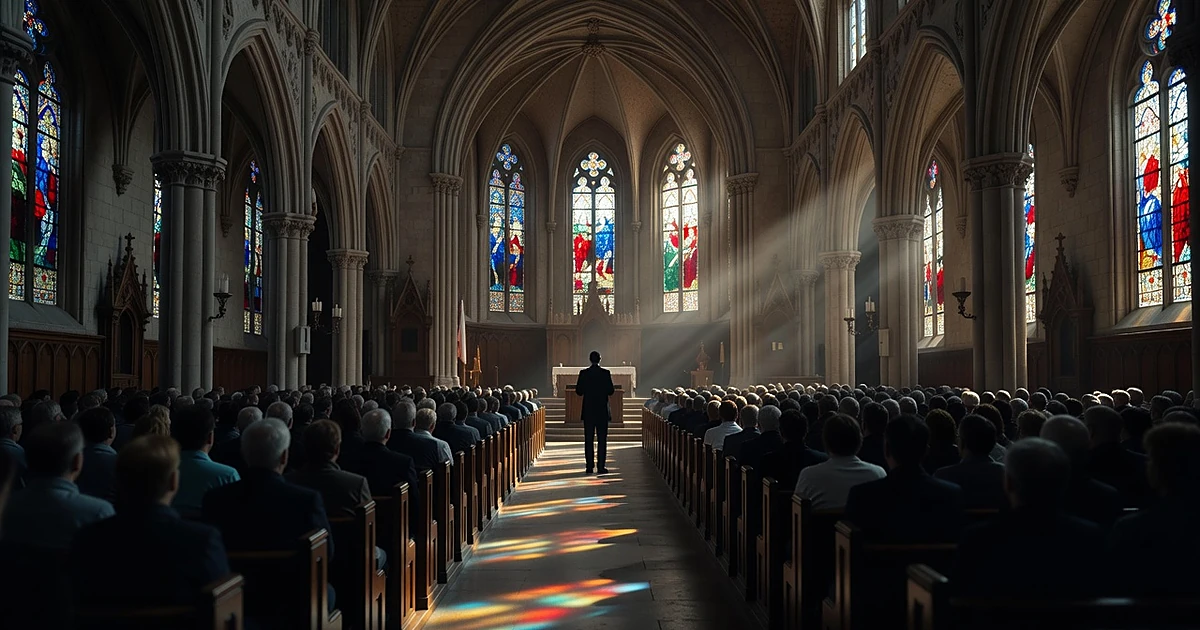
A devastating attack on a Michigan church has left a community reeling after a lone gunman, identified as an Iraq War veteran, took the lives of at least four people and injured eight others. The horrific incident unfolded during a Sunday service, shattering the peace of a sacred space.
According to New York Post, Thomas Jacob Sanford, a 40-year-old Marine from Burton, Michigan, rammed his Chevy Silverado into the Church of Jesus Christ of Latter-day Saints in Grand Blanc Township before opening fire on worshipers. The truck, adorned with two American flags and deer antlers on the bumper, became a weapon in the assault that also saw the building set ablaze.
This tragedy strikes at the heart of what many hold dear: the right to worship without fear. While details are still emerging, the sheer brutality of targeting hundreds of congregants, including families with children, raises urgent questions about safety in our most vulnerable spaces.
Unfolding Horror on a Sunday Morning
The attack began just after the congregational hymn during the 10 a.m. service, as hundreds gathered in faith. Witnesses initially mistook the loud bang of Sanford’s truck crashing into the building for an accident, with many rushing to help.
That goodwill turned to terror as Sanford exited the vehicle and started shooting, according to Paul Kirby, a 38-year-old churchgoer who narrowly escaped. Kirby told reporters a bullet shattered a nearby glass door, grazing his leg with shrapnel as he fled with his wife and two sons.
Such accounts reveal the raw panic of those moments, where acts of kindness were met with gunfire. It’s a bitter reminder that even our noblest instincts can be exploited in a world increasingly unpredictable.
Swift Response Amidst Chaos and Loss
Authorities were quick to act, with a Department of Natural Resources officer and a township cop arriving within 30 seconds of the first 911 call. Sanford was killed in a shootout with police at the scene, ending the immediate threat.
Yet the toll was already staggering, with at least four dead and eight wounded, as confirmed by law enforcement. Aerial footage captured thick black smoke rising from the church as it burned to the ground, with fears that more victims might be found in the ashes.
The numbers alone don’t convey the heartbreak of a community now mourning its losses. Grand Blanc resident Tony Deck described driving by to see yellow canvases covering bodies, a grim image that sears the mind.
Disturbing Discoveries and Ongoing Investigations
As investigators combed through the wreckage, sources revealed improvised explosive devices were found on church property, now under scrutiny by a bomb squad. A separate search of Sanford’s home in nearby Burton was also underway, hinting at deeper layers to this tragedy.
Detectives are exploring potential motives, including whether the attack ties to the recent passing of LDS church president Russell M. Nelson at age 101 on Saturday. While no conclusions have been drawn, the timing adds a haunting dimension to an already complex case.
Speculation must not outrun facts, but the presence of such devices suggests premeditation, not impulse. This wasn’t just an act of rage; it appears to be a calculated strike against a specific target.
A Community Grieves and Questions Remain
Social media glimpses into Sanford’s life paint a conflicting picture of a family man with a wife and young son, who once faced challenges like his child’s rare medical condition. A dormant 2015 GoFundMe page raised over $3,000 for the boy’s congenital hyperinsulinism, showing a man supported by his community.
Yet something snapped, leading to an act that defies comprehension, especially from a veteran who served in Iraq from 2004 to 2008, as noted in a Facebook post by his mother. How does one reconcile service to country with violence against the innocent?
This isn’t about excusing the inexcusable, but about understanding the cracks in a system where mental health struggles or personal demons can fester unchecked. Sanford’s actions demand accountability, yet they also beg us to ask how we support those who’ve borne the burdens of war.