Trump halts $11B in infrastructure funds for blue states amid shutdown
President Donald Trump just slammed the brakes on $11 billion in federal infrastructure funding, targeting projects mostly in Democrat-stronghold cities, as Fox News reports. This bold move, straight out of the White House playbook, is stirring up a political storm as the government shutdown drags on. It’s a classic Trump maneuver: hit where it hurts, but is it strategy or spite?
The crux of this story is a federal funding freeze of $11 billion for infrastructure initiatives, announced amid a government shutdown that kicked off on Oct. 1, after Senate lawmakers couldn’t agree on a spending plan.
Let’s rewind to September, when the House passed a short-term funding extension to keep the government humming until Nov. 21. That vote split mostly along party lines, a clear sign of the gridlock that’s now left us here. Republicans and Democrats are pointing fingers faster than a referee at a bad call.
Shutdown sparks funding freeze fallout
The shutdown began on Oct. 1, and with no deal in sight, the Trump administration, via Office of Management and Budget Director Russell Vought, dropped the hammer on Friday with this massive funding pause.
It’s not just pocket change -- $11 billion is on ice, with Democrat-led areas like New York, San Francisco, and Boston bearing the brunt. New York alone is staring down a $7 billion loss.
Among the casualties are big-ticket projects like the Hudson Tunnel Project and the Second Avenue Subway in New York City, both frozen alongside earlier cuts that tallied up to nearly $18 billion on day one of the shutdown.
Add in prior freezes of $28 billion for infrastructure and climate initiatives, and you’ve got a pattern. Is this fiscal responsibility or a targeted jab at blue states?
Specific projects are feeling the pinch, like $600 million earmarked for replacing two aging bridges over the Cape Cod Canal in Massachusetts. Local leaders, including Gov. Maura Healey, claim they got no heads-up from Washington about the pause, despite Congressional approval. Sounds like a communication breakdown -- or maybe just a power play.
Political blame game heats up
Republicans, led by Vought, are pinning this mess on Democrats, accusing them of tanking the budget over a push to extend taxpayer-funded medical benefits through expiring Obamacare tax credits.
“The Democrat shutdown has drained the Army Corps of Engineers' ability to manage billions of dollars in projects,” Vought declared. Nice soundbite, but does it hold water when both sides are dug in like trenches?
Democrat leaders are firing back, insisting Trump and GOP lawmakers own this shutdown debacle. Maryland Rep. Kweisi Mfume called it “another example of the Trump Administration placing partisan politics over the welfare of the American people.” Fair point, but let’s not pretend progressive agendas haven’t stalled progress before.
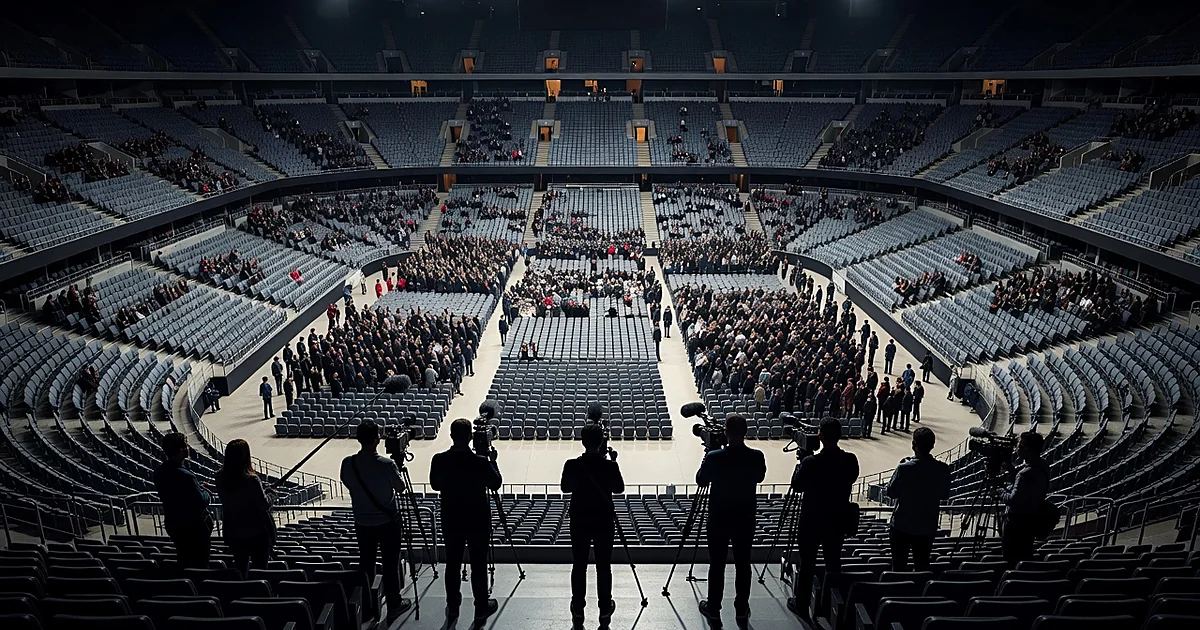
On Oct. 10, the tenth day of the shutdown, House Speaker Mike Johnson and other GOP leaders held a press conference to hammer their message home. The optics are clear: Republicans want to look like the adults in the room. But with billions frozen, are they fixing the problem or just freezing out their opponents?
Blue states hit hardest by cuts
The list of affected areas reads like a Democrat voter roll: Illinois, Maryland, Oregon, New Mexico, New Hampshire, Massachusetts, New Jersey, Rhode Island, and Delaware, among others. New York’s $7 billion hit is a gut punch, especially for urban projects critical to daily life. This isn’t just about roads -- it’s about political leverage.
Trump himself has doubled down, vowing to slash funding for what he deems “Democrat agencies” and even eyeing 4,100 federal job cuts. Through the OMB, he’s signaled a desire to “reorient how the federal government prioritizes Army Corps projects.” That’s code for shaking up the system, but at what cost to everyday Americans?
Look at Massachusetts, where the Cape Cod Canal bridge project sits in limbo despite legal backing from Congress. Gov. Healey’s team is scratching their heads over the lack of official notice. It’s hard not to wonder if this is less about policy and more about sending a message.
Who pays the price for gridlock?
Images of workers at the Hudson Tunnel Project site in New York City, taken just days into the shutdown, paint a stark picture of stalled progress. Meanwhile, Vought’s earlier remarks outside the White House hint at a deeper agenda. This isn’t just a budget fight; it’s a battle over priorities.
So where does this leave us? With $11 billion frozen and no end to the shutdown in sight, cities are left holding the bag while Washington plays hardball. It’s a tough pill to swallow, especially when infrastructure isn’t a partisan issue -- roads and bridges don’t vote.
At the end of the day, both sides need to park the ideology and get back to governing. Trump’s cuts may resonate with those frustrated by progressive overreach, but they risk alienating folks who just want their commutes fixed. Here’s hoping cooler heads prevail before more projects -- and patience -- run dry.