Travelers barred from bringing Bibles into Nicaragua under Ortega regime
Religious freedom in Nicaragua has taken another alarming hit—this time in the form of a Bible ban aimed squarely at travelers entering the country.
President Daniel Ortega’s government, joined by Vice President and First Lady Rosario Murillo, has prohibited individuals from bringing Bibles across its borders, triggering widespread concern from human rights advocates and international travelers alike, as WND reports.
The new policy, communicated via transportation companies like Tica Bus, classifies the Holy Bible alongside drones and sharp objects as banned items, highlighting the increasingly sweeping nature of the country’s censorship and control.
Nicaragua Adds Bibles to List of Prohibited Imports
According to information shared with passengers, the banned items now include “firearms, sharp objects and perishable food,” along with “drones, magazines, printed newspapers and Bibles.” That’s directly from Tica Bus, whose customer notice cited regulations issued by Nicaraguan authorities.
Protestia reports that the prohibitions were set forth by the regime itself and are not merely company policy. In short, it’s not a glitch in border security—it’s the government's deliberate move against scripture.
This disturbing development follows a long, well-documented series of anti-Christian policies carried out by the Ortega-Murillo administration under its tightening grip on civil liberties.
From Accusing the Church to Silencing It
In 2018, Ortega and Murillo accused Christian institutions of backing an alleged coup attempt during nationwide protests. That crackdown led to hundreds of arrests and cemented the state’s hostility toward faith-based voices.
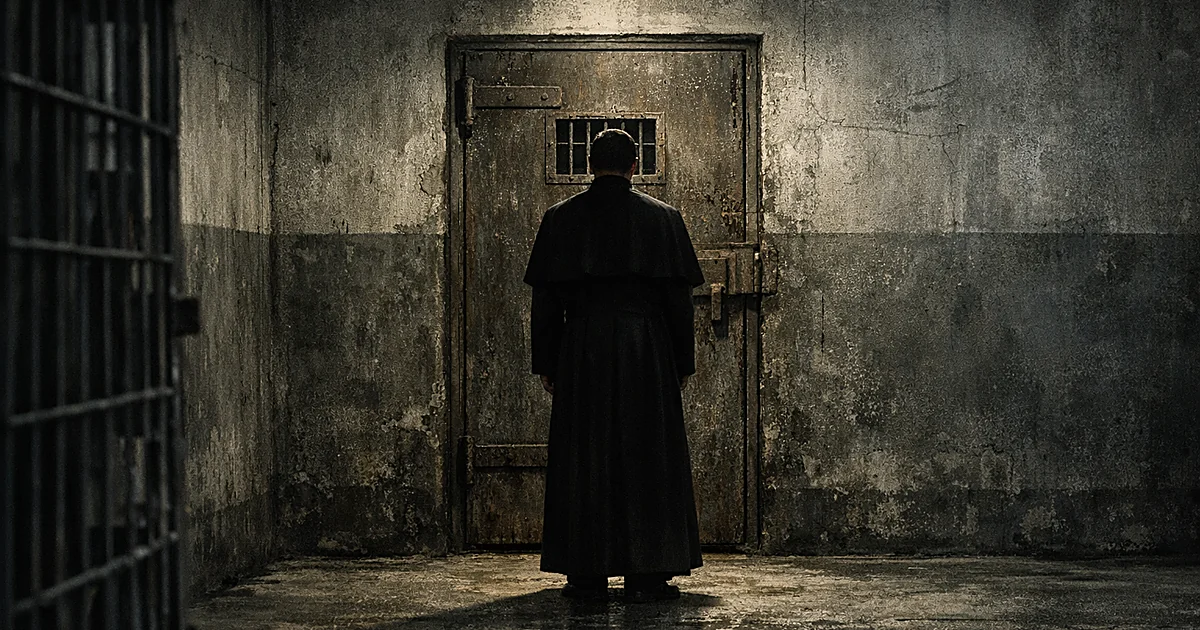
Since then, Catholic priests have been imprisoned or forced into exile, congregations disbanded, and religious orders driven out. It’s a systematic purge masked as national security policy.
The Bible ban may appear symbolic, but it’s far from trivial. It sets a chilling precedent, targeting even the most basic expressions of spiritual identity.
Authoritarianism Wrapped in Bureaucracy
Some might imagine these restrictions as overzealous border enforcement, but Spanish-language outlet CA360 was quick to clarify they are part of Nicaragua's increasingly authoritarian posture.
Ortega’s disdain for dissent has already shuttered much of the independent press in the country. Now, the written Word is treated no differently than contraband.
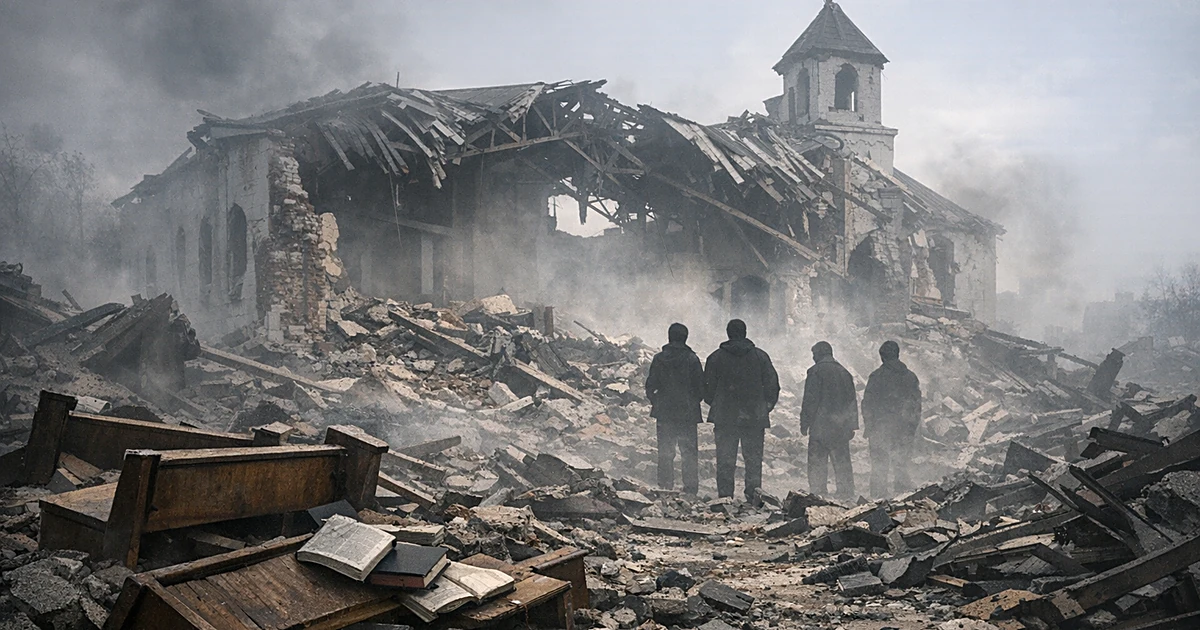
Protestia cut to the heart of the matter, stating, “At the same time, entire congregations, including orders and movements of consecrated life, have been expelled from the country.” Chilling, and yet predictable from a regime that sees prayer as rebellion.
Freedom Isn’t a Homeland Guarantee
Make no mistake—this is not just a domestic policy issue for Nicaragua. It reflects a broader global trend where freedom of faith is sacrificed at the altar of centralized power.
It should also serve as a solemn reminder that the liberties we take for granted are never beyond the reach of bad policy—especially when faith becomes politically inconvenient.
Whatever one’s denomination, when a Bible is banned like a weapon, it’s a clear message: the government sees faith not as a pillar of conscience, but as a threat to tyranny.
A Warning to the Watching World
“Ortega and his wicked wife accused the church of supporting an attempted coup d'état,” Protestia noted. The morality of the accusation aside, the fallout has justified every measure of fear among the faithful in Nicaragua.
No democracy worth its name bars religious texts from its borders. This isn’t safety protocol—it’s spiritual censorship under the guise of import regulation.
And as Nicaragua shows, the road from protest to persecution is faster when the state refuses to tolerate the truth, whether spoken from a pulpit or found in a pew.