National Park Service dismantles slavery exhibit in Philadelphia
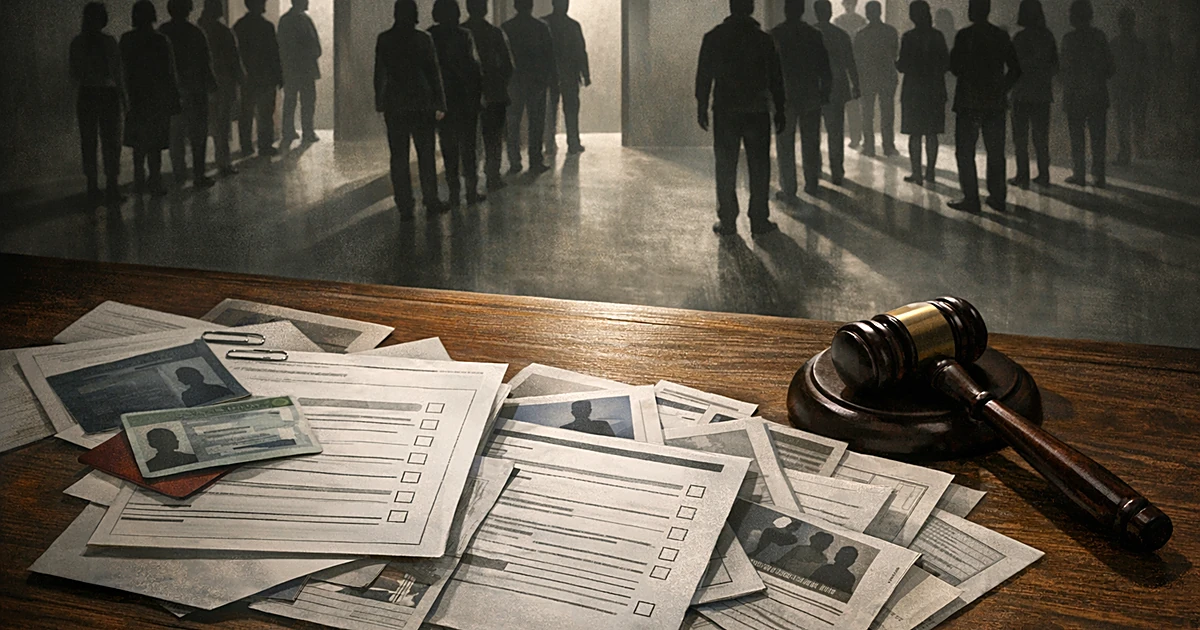
The National Park Service removed a historical display at the President's House Site in Independence National Historical Park, Philadelphia, last week that highlighted the lives of nine enslaved individuals who resided there during George Washington's presidency from 1790 to 1797.
The removal followed an executive order issued by President Donald Trump in March 2025, titled "Restoring Truth and Sanity to American History," which directed the elimination of historical displays deemed to promote a distorted narrative of the nation's past. National Park Service staff dismantled the exhibit on Thursday, prompting legal action from Philadelphia Mayor Cherelle Parker, who cited a violated cooperative agreement with the federal government.
Critics of the move argue that this decision strips away an essential piece of history that acknowledges both the triumphs and the painful realities of America's founding. The exhibit, open since 2010, offered a window into the contradictions of a nation built on liberty while enslaved people toiled at its very heart. Such actions, they contend, risk sanitizing the past instead of confronting it.
Executive Order Sparks Heated Debate
President Trump's directive specifically targeted displays accused of pushing partisan ideology over factual history, as reported by the Washington Examiner. The order framed such exhibits as part of a broader effort to undermine America's achievements by focusing on flaws rather than progress. Supporters of the policy see it as a necessary correction to what they call a divisive, guilt-driven narrative.
Yet, this reasoning falls flat for many who view history as a complex tapestry, not a highlight reel. Removing evidence of slavery at a site tied to the first president doesn't erase the fact that it happened. It simply buries the lesson under a rug of convenience.
Philadelphia's response, led by Mayor Parker, underscores a deeper rift over who gets to define historical truth. Her lawsuit claims a 2006 agreement required consultation before altering exhibits, a step apparently skipped in this case. The legal battle may well become a flashpoint in a larger cultural tug-of-war.
Voices of Outrage and Defense Clash
Mayor Parker herself stated, "We are right now researching and reviewing the cooperative agreement between the City of Philadelphia and federal government that dates back to 2006." Her measured tone barely masks the frustration over a federal overreach that blindsided local leadership. If agreements mean anything, this breach demands accountability.
Rep. Dwight Evans, a Democrat from Pennsylvania, didn't hold back, calling the removal an "outrage" and a "shameful desecration" by the Trump administration. While his words carry raw emotion, they echo a sentiment shared by many: history isn't a canvas to paint over when the image discomforts us. Erasing exhibits won't erase the past.
Defenders of the executive order, however, argue it's time to stop weaponizing history for modern ideological battles. They insist the focus should be on unifying stories of American grit and innovation, not perpetual grievance. The question remains whether unity can ever be built on selective amnesia.
Historical Memory Under Scrutiny
The President's House Site has long stood as a physical reminder of America's dual legacy, freedom for some and bondage for others. To dismantle this exhibit is to mute a conversation that, while uncomfortable, is vital to understanding the nation's roots. Silence on slavery doesn't honor the founders; it diminishes their full story.
Trump's order explicitly warns against narratives that cast America's founding as "inherently racist" or "irredeemably flawed." Fair enough, but ignoring the lived reality of enslaved people at the very seat of early governance isn't truth either. It's a half-measure that risks turning history into propaganda.
The broader implication of this policy could chill other efforts to present nuanced historical accounts. If every exhibit must pass a litmus test of patriotic purity, what stories get left on the cutting room floor? The past deserves better than to be curated for comfort.
What Lies Ahead for Historical Sites
As Philadelphia's lawsuit unfolds, the clash over this exhibit may set a precedent for how federal and local entities navigate historical interpretation. Mayor Parker's legal challenge isn't just about one display; it's about the right to remember history in full color, not monochrome. The outcome could ripple across other national parks.
For now, the panels and displays at the President's House Site are gone, leaving a void where difficult truths once stood. Supporters of the removal might call this a victory for national pride, but others see a loss of national honesty. Which side prevails may shape how future generations learn about their origins.
Ultimately, history isn't a scoreboard of good versus evil; it's a record of what was, warts and all. Policies that prioritize feel-good narratives over factual complexity do a disservice to everyone. Let's hope the debate over this exhibit reminds us that truth, however messy, is the only foundation worth building on.