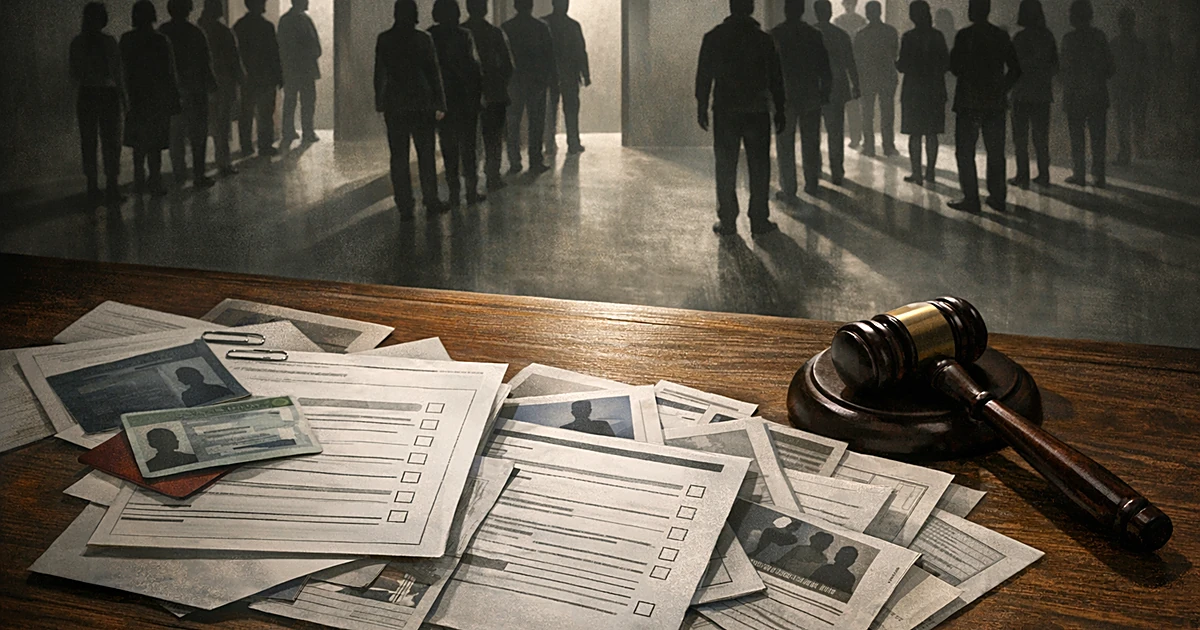
Trump administration scales back ICE body camera program and oversight
President Donald Trump's administration has taken a hard line on immigration enforcement, but its decision to curb funding for body cameras on ICE officers raises serious questions about transparency.
Recent moves show the administration opposed expanding a pilot program for body cameras on immigration officers, slashing proposed funding by 75% in its 2026 budget request to Congress, while also cutting oversight staff drastically. This comes as officers were surged into cities like Minneapolis, where bystander footage of two fatal shootings of U.S. citizen protesters, including one on Saturday that killed an ICU nurse, has contradicted official narratives.
The issue has sparked fierce debate over accountability in law enforcement, especially when dealing with immigration policies that already divide the nation. Critics argue that without body cameras, the public is left to rely on bystander videos or official accounts that often paint the deceased as instigators. Transparency shouldn't be a casualty of policy enforcement.
Body Cameras: A Stalled Reform Effort
Reports from Newsmax highlight how the Trump administration slowed a body camera pilot program for ICE officers, a project that began in 2024 under the previous administration. Darius Reeves, former director of ICE's Baltimore field office, noted the rollout was sluggish even then and "died on the vine" under current leadership. It's a sharp contrast to the nationwide push for law enforcement to adopt such tools.
While ICE maintains 4,200 cameras, the budget proposal slashed the support staff from 22 to just three, calling it a "streamlined" approach. Streamlined or not, when officers are deployed to hotspots without cameras, as often happens during surges, the gap in accountability grows wider.
White House spokeswoman Abigail Jackson defended the officers, saying they "act heroically to enforce the law and protect American communities." Her follow-up jab that critics are merely aiding criminals misses the point. Heroism doesn't exempt anyone from scrutiny; it demands it.
Oversight Gutted Amid Enforcement Surge
Beyond cameras, the administration placed nearly 300 workers from three DHS oversight offices on paid leave in early 2025, redirecting agents for a massive immigration crackdown. These offices, meant to handle complaints and abuses, are now shells of their former selves. The Office of the Immigration Detention Ombudsman, for instance, dropped from over a hundred staff to just five by December.
Court documents reveal a staggering decline in processed complaints, from over 11,000 in 2023 to a mere 285 between March and December of 2025. A lawsuit claims this gutting of oversight is illegal, arguing only Congress can eliminate such offices. When enforcement ramps up, but watchdogs are muzzled, who ensures the line isn't crossed?
Democrats and civil rights groups have sounded alarms over this, pointing to fatal incidents in Minneapolis as evidence of unchecked power. Two U.S. citizens, Renee Good and Alex Pretti, were killed by agents, with top officials quick to label them aggressors. White House Deputy Chief of Staff Stephen Miller called Pretti a "domestic terrorist" online, hours after his death, before any investigation concluded.
Fatal Shootings Fuel Accountability Debate
Saturday's shooting in Minneapolis, where an ICU nurse was killed, showed at least three Border Patrol agents wearing body cameras, though it's unclear if they were active or worn by those directly involved. Official statements often clash with bystander footage, which has become the public's only window into these encounters. Without consistent camera use, trust erodes further.
Trump's immigration push, backed by a $170 billion funding surge from Congress last year, has transformed ICE and Border Patrol operations. Yet, as enforcement intensifies, the refusal to prioritize body cameras or maintain oversight feels like a deliberate blindfold. Accountability isn't a luxury; it's a necessity.
Some Democrat senators are now digging in, vowing to block a DHS spending bill unless it curbs immigration enforcement excesses. A Republican-led House bill rejected Trump's camera funding cuts, allocating $20 million, but stopped short of mandating their use. It's a half-measure in a full-blown crisis of confidence.
Policy Overreach or Public Safety?
The administration's defenders argue this crackdown, paired with trimmed oversight, is about prioritizing public safety over bureaucratic red tape. But when fatal shootings pile up, and official narratives don't match the evidence, that argument starts to fray. Safety can't come at the cost of truth.
Progressive agendas often push for endless oversight, sometimes to the point of hamstringing law enforcement, but there's a middle ground. Body cameras and functional watchdogs aren't about coddling criminals; they're about ensuring the system doesn't overreach. If ICE officers are the heroes they're claimed to be, let the footage prove it.
This debate won't resolve soon, especially with a divided Congress and raw public emotion over these killings. Still, one thing is clear: immigration enforcement, however necessary, can't operate in the dark. Transparency is the only way to balance power with trust, and right now, both are in short supply.