Former Kentucky student indicted for manslaughter after autopsy confirms newborn was born alive
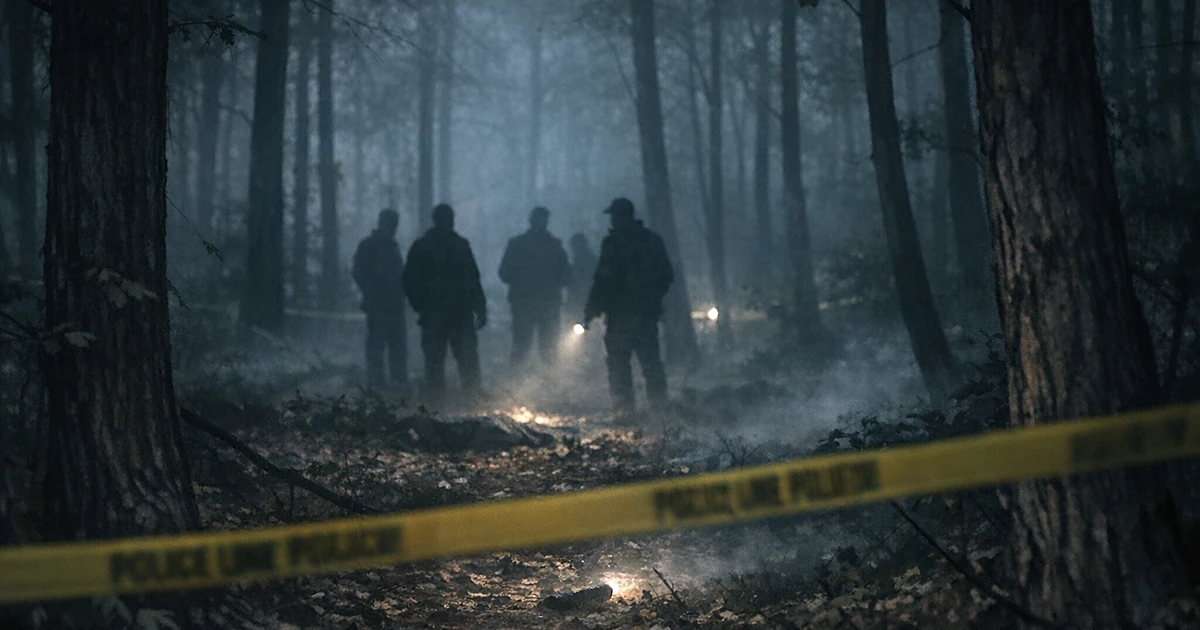
A former University of Kentucky student already facing charges for concealing the death of her newborn baby now faces first-degree manslaughter after the Kentucky Medical Examiner's office concluded the infant was born alive and died of asphyxia.
Laken Snelling, 21, was indicted on Tuesday. She was originally arrested in August 2025 after her newborn baby boy was found dead at an off-campus house. At the time, she was charged with abuse of a corpse, tampering with physical evidence, and concealing the birth of an infant. The autopsy changed everything.
The medical examiner determined the baby was born alive and died due to asphyxia by undetermined means, Breitbart News reported. That finding transformed the case from one about concealment into one about a dead child who didn't have to die.
What the documents allege
The details that have emerged from court documents and law enforcement accounts paint a disturbing picture of what happened inside that house.
Snelling first told law enforcement her baby fell on the floor after she gave birth. She told police she passed out "on top of the baby" and woke up to find him "turning blue and purple." But her story didn't stop there. Court documents allege she eventually admitted she wrapped "the baby up like a burrito" and laid next to him, which "gave her a little comfort in the moment."
She then hid her baby boy in the closet, showered, and cleaned up the blood from giving birth. Authorities said her roommates were the ones who called 911.
Court documents also allege Snelling told medical staff the baby had shown "a little bit of fetal movement" and she had heard a "whimper" following his birth. She acknowledged the infant may have been "breathing or alive."
A whimper. A living child, wrapped up and placed in a closet while his mother cleaned the scene.
The weight of what happened
This is a story that demands gravity, not volume. A newborn boy died. The autopsy says he was alive when he entered the world and that asphyxia ended his life. Whatever happened in that room, the child had no advocate, no protector, no one who called for help until it was far too late.
Snelling withdrew from college soon after her arrest and has been on house arrest at her parents' home in Tennessee. The legal process will now determine whether her actions meet the threshold for first-degree manslaughter under Kentucky law. The elevated charge reflects the medical examiner's finding that this was not a stillbirth, not an accident of delivery, but a live birth followed by a death that requires legal accounting.
A culture that struggles with the obvious
Cases like this expose a fault line in how American society talks about life. The same cultural machinery that works overtime to avoid the word "baby" in legislative debates, that insists on clinical euphemism whenever the humanity of the unborn becomes inconvenient, goes quiet when a case like this surfaces. There is no framing exercise available here. The medical examiner's report doesn't use the language of "potential life" or "fetal tissue." It says the baby was born alive. It says he died of asphyxia.
Conservatives have long argued that the logic of disposability doesn't stay neatly contained within the trimesters and legal frameworks its advocates construct. When a society spends decades conditioning people to believe that the value of a child depends on whether he is wanted, the downstream consequences are not abstract. They show up in courtrooms. They show up in autopsy reports.
That is not to say this case is a simple policy parable. It isn't. Whatever was happening in Snelling's mind during those hours, the law will have to sort through. But the fact that a 21-year-old woman heard her newborn whimper, acknowledged he may have been breathing, and then placed him in a closet while she cleaned up is a fact that deserves to sit in the open air without qualification.
What comes next
The manslaughter indictment raises the legal stakes considerably. The original charges treated the case as one of concealment and evidence tampering. The new charge treats it as what the autopsy says it was: the death of a living person.
Snelling remains on house arrest in Tennessee. The case will proceed through Kentucky's courts, where prosecutors will need to prove that her conduct caused or contributed to the baby's death by asphyxia. The "undetermined means" language in the autopsy leaves room for legal argument on both sides, but the central finding is not ambiguous. The child lived. The child died. Someone is responsible for the distance between those two facts.
A boy was born alive in that house. He made a sound. And then he was hidden in a closet.