New York lawmakers eye pay raises after City Council bumps salaries past $175,000
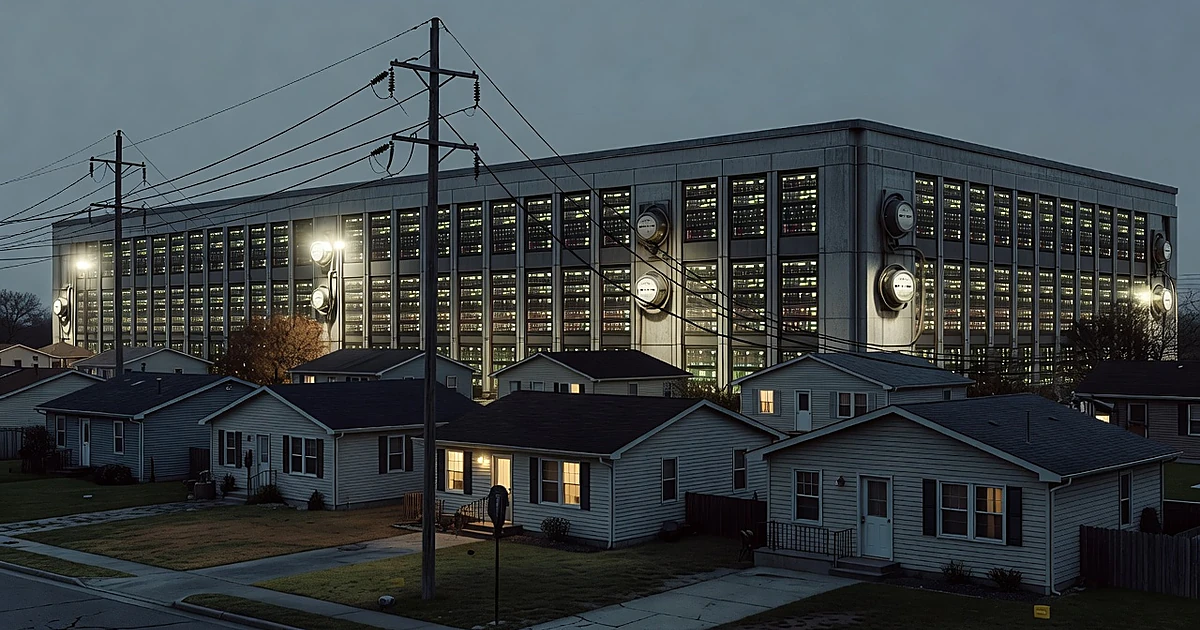
Albany legislators are quietly angling for a hefty salary increase of their own after the New York City Council voted itself an 18.2% pay raise, a move that would push the already highest-paid state lawmakers in the nation even further ahead of the taxpayers who fund them.
The City Council approved the raise last week by a vote of 42 to 6, boosting member salaries from $148,500 to $175,500. It was the first pay bump for council members since 2016, and it did not stop at the council chamber. The raise also covers the mayor, the public advocate, borough presidents, and other city officials. An independent commission formed with the mayor approved the increase, the Daily Mail reported.
Now state Assembly members in Albany want their cut. New York State Assembly lawmakers already earn $142,000 a year, more than any state legislature in the country, and they have not had a raise since December 2022. A bill introduced in March by State Senator James Sanders Jr. would hand them a 26% increase, lifting salaries to $180,000 starting January 1, 2028, with annual cost-of-living adjustments built in on top of that.
That bill sits in a State Senate committee. But the City Council's vote gave Albany's appetite for more taxpayer money fresh momentum.
Assembly Speaker Heastie won't rule out a raise, or rule one in
Assembly Speaker Carl Heastie has not committed to pushing a pay raise through the legislature, but he has not closed the door either. In a conversation with Politico published July 14, Heastie framed the question in terms of personal sacrifice rather than public service.
"I don't know if there's enough money that could pay for the sacrifices that legislators make."
Heastie added that spending six months of the year away from family justified higher compensation.
"Six months of the year, you're away from your family. So, I'm always supportive of members getting paid."
Asked about a potential special legislative session in December to approve the raise, Heastie was noncommittal: "There's nothing, I think, on the radar right now." One unnamed Assembly member offered a blunter timeline to the New York Post: "Even if we're going to do it, you're not going to hear a word about it until November."
The strategy is familiar. Wait until after elections, when voters have cast their ballots and public attention has moved on, then act. It is the kind of timing that suggests lawmakers know exactly how their constituents would react, and prefer not to find out beforehand.
Sanders' bill frames part-time work as a full-time burden
Senator Sanders' bill leans heavily on the argument that state legislators carry responsibilities comparable to full-time executives. The bill's own language claims Assembly members oversee "one of the largest state budgets in the United States" and provide "year-round constituent services."
It goes further:
"These responsibilities are not episodic or seasonal. They demand continuous engagement, sustained availability, decision-making under pressure, and a high level of professional expertise throughout the calendar year."
That language reads like a corporate job posting, not a description of a citizen legislature. And it conveniently omits a detail that separates Albany from City Hall: state Assembly members are already allowed to earn up to 25% of their income, roughly $35,000, from outside sources. City Council members cannot. So the lawmakers pushing for $180,000 already have a side-income advantage their city counterparts lack.
Assemblyman Tony Simone, who represents a portion of Manhattan, argued that raising the salary would help attract "diverse and qualified" candidates from "all walks of life." It is a common refrain in government pay debates, and it never seems to produce the promised results. What it reliably produces is higher salaries for incumbents.
Mayor Zohran Mamdani, whose tenure has drawn scrutiny on multiple fronts, including his controversial threat to arrest Israeli Prime Minister Netanyahu, at least had the political sense to decline his own raise. Had he accepted, his salary would have climbed by $47,000 to $305,800 a year. He already lives in Grace Mansion, the taxpayer-funded mayoral residence.
Mamdani declined the raise but still drew fire at the podium
At a press conference, Mamdani offered a line that landed somewhere between self-awareness and deflection:
"I haven't knocked on anyone's door in New York City and they've said that their concern is that the mayor makes too little."
Council Speaker Julie Menin, described as a millionaire, also declined the pay bump and abstained from the vote. Her spokesperson issued a careful statement: "Speaker Menin has consistently maintained that any changes to elected officials' compensation should only be based on the recommendations of an independent commission. She abstained from voting on the bill and will decline any pay increase herself."
The optics of wealthy officials declining raises they approved for their colleagues are not lost on taxpayers. Menin and Mamdani get credit for turning down the money, but neither blocked the 42-6 vote that sent the raises through for everyone else.
Mamdani's broader record has not helped his standing with many New Yorkers. Families of 9/11 victims have petitioned to keep him from the 25th anniversary ceremony at Ground Zero, and his administration has clashed repeatedly with federal authorities on issues ranging from immigration enforcement to foreign policy.
Lawmakers earn double what their constituents take home
The pay figures become sharper when set against what ordinary New Yorkers earn. U.S. Census data show the average household income in New York State is $86,000. In New York City, it drops to $80,500 per household. A city council member at $175,500 individually earns more than double the average city household. A state Assembly member at $142,000 already earns well above the state average, and the proposed $180,000 would widen that gap further.
The contrast grows starker still when measured against the men and women who serve in uniform. More than 50,000 U.S. service members are currently deployed to the Middle East. An enlisted Army soldier's base pay ranges from $25,300 for a private to $53,300 for a staff sergeant. A first-year enlisted soldier's total compensation, including benefits, comes to roughly $67,300. Navy personnel fare slightly better: total compensation for ranks from apprentice to chief petty officer ranges from $93,300 to $124,000 when housing, medical, and retirement benefits are factored in.
Assembly Speaker Heastie says no amount of money can compensate for the sacrifices legislators make. A staff sergeant deployed overseas might have a different view of what sacrifice looks like, and at a fraction of the pay.
For context, Los Angeles holds the title of highest-paid city council in the nation at $207,000 per member. New York's council, at $175,500, now sits firmly in second place. And if Albany lawmakers get their way, state Assembly members would leapfrog even their city counterparts.
The Mamdani administration has already faced pushback from federal officials on other fronts, and the pay-raise episode adds another layer of disconnect between New York's political class and the voters who put them in office.
November silence, December action
The unnamed Assembly member's prediction, silence until November, then a move, tells voters everything they need to know about how Albany views accountability on this issue. If the raise were defensible on the merits, lawmakers would campaign on it. Instead, the plan appears to be: say nothing before the election, then act in a lame-duck session when the political cost is lowest.
Sanders' bill remains in committee. Heastie insists nothing is on the radar. But the conversations are happening, the justifications are being drafted, and the City Council's vote gave every Albany lawmaker a talking point: if part-time council members deserve $175,500, surely full-time legislators deserve more.
That argument might carry weight in a state where leaders showed the same urgency about the cost of living crushing working families. But New York's political class has a long habit of looking after itself first and explaining later, preferably after the ballots are counted.
When the people writing the checks also get to set their own pay, the only real check left is the voter. Albany is betting most of them won't be paying attention.