Fetterman again insists he won't join the GOP — but his party's patience is wearing thin
Sen. John Fetterman told reporters on Capitol Hill that he will not become a Republican, but his plummeting approval among Democrats and his growing ties to GOP figures suggest the question isn't going away anytime soon.
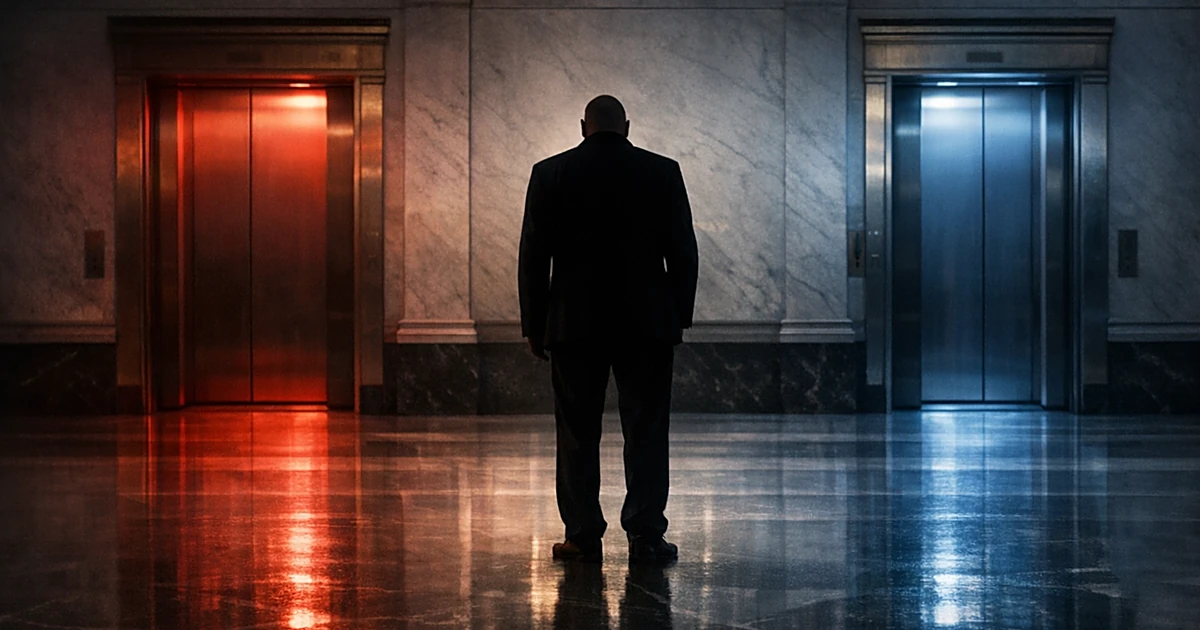
Fetterman, the first-term Pennsylvania Democrat, raised his voice and shook his head Tuesday as reporters pressed him yet again on whether he plans to switch parties. "I'm not going to be a Republican!" he told the press gaggle near a Senate elevator, NBC News reported. "If I turn a Republican, then I'll be a liar."
The frustration was visible, but so was the political reality that keeps generating the question. Fetterman has spent the better part of two years drifting from his caucus, defending Israel and Prime Minister Benjamin Netanyahu without qualification, appearing regularly on Fox News, and openly criticizing Democratic leadership on issues from immigration to Iran. A New York Times/Philadelphia Inquirer/Siena poll published in late August found his approval among Pennsylvania Democrats had cratered to 22 percent, down from 74 percent in May 2024.
That is a 52-point collapse in roughly two years. Among Pennsylvania Republicans, his approval was rising.
From Mar-a-Lago to Dallas, Fetterman keeps showing up on the other side
The party-switch speculation did not materialize from thin air. Fetterman was the first Democratic senator to meet with President Trump at Mar-a-Lago after the 2024 election, Just The News reported. He co-sponsored the Laken Riley Act, a tough-on-immigration measure typically championed by Republicans. And just last week, he made a video appearance at the two-day Republican midterm convention in Dallas to introduce his Pennsylvania counterpart, Republican Sen. David McCormick.
Shortly after that convention appearance, Fetterman issued a statement saying he would not switch parties if Democrats capture Senate control in November. The conditional phrasing, tying his commitment to a Democratic majority, did little to quiet the chatter.
In mid-July, Fetterman opened the door to leaving the Democratic Party if its platform "officially" became "anti-Israel." Days later, he wondered aloud to NBC News whether Democrats even still want him in the party. Republicans promptly invited him to defect.
Senate Minority Leader Chuck Schumer tried to tamp down the drama, calling Fetterman "a very good member of Congress" and one Democrats respect. The praise landed with all the warmth of a corporate reference letter.
A Wall Street Journal report added fuel, and Fetterman refused to engage
The latest round of questions was sharpened by a recent Wall Street Journal investigation that detailed what the paper described as examples of Fetterman showing "a lack of interest in doing the job of a senator." The report drew on interviews with more than a dozen former staffers and lawmakers. Neither Fetterman nor his office commented for that story.
Fetterman later dismissed the Journal's reporting as "smears" in a statement to CNN, published September 6. But on Tuesday, he declined to address the report further when reporters raised it on Capitol Hill.
He also ignored questions about a recently created X account reportedly run by former staffers who have turned against him. The account's specific content was not detailed in the NBC report, and Fetterman offered no comment on it.
McCormick, the Republican senator who has developed an unlikely friendship with Fetterman, came to his defense on X. He posted:
"These stories are the latest example of outrageously disloyal staff and forces on the Left using anonymous leaks to cancel my friend John Fetterman. They hate that he is an independent thinker who refuses to fall into line so they want to silence him."
That a Republican senator is publicly defending a Democrat against his own party's operatives tells you most of what you need to know about where Fetterman now sits on the political map.
Fetterman has been here before, and the denials keep getting louder
Tuesday's hallway declaration was not the first time Fetterman has sworn off a party switch. Earlier this year, he published a Washington Post op-ed addressing the speculation head-on. He called the idea of switching "amateur hour" and said he would make "a pretty bad Republican," the Washington Examiner reported.
In that op-ed, Fetterman described himself as a blue-dog Democrat, the old-school, centrist breed that once dominated swing states like Pennsylvania. But he also took a torch to his own party's direction, warning that Democrats had abandoned "once-common" views on immigration, Israel, Iran, and government shutdowns to appease what he called the party's "fringe and agitated" factions.
"My party cannot simply be the opposite of whatever President Donald Trump says," Fetterman wrote, the New York Post reported. He explicitly stated he would not follow the path of former Sens. Joe Manchin or Kyrsten Sinema, both of whom left the Democratic Party to become independents.
The pattern is now well established: Fetterman breaks with Democrats on a high-profile issue, speculation surges, Republicans court him, he denies he will switch, and then he breaks with Democrats again. Each cycle, the denials get more emphatic, and less convincing to the party faithful who once backed him at 74 percent.
Fetterman, who was first elected in 2022, does not face voters again until 2028. His seat is not on the ballot this November. He reminded reporters of that on Tuesday: "My name is not on the ballot. Like, chill and wait for the midterm here."
That timeline gives him room to maneuver, and gives Democrats two more years to wonder whether the man they nominated in a party lurching leftward will still be in the caucus when 2028 arrives.
His own party made this problem
Fetterman's political isolation did not happen because he changed. His voting record still aligns with Democrats on most legislation. He said so himself: "I'd be a terrible Republican who still votes overwhelmingly with Democrats."
What changed is the Democratic Party's tolerance for dissent. A senator who supports Israel, meets with a Republican president, and refuses to treat border security as a slur now finds himself with a 22 percent approval rating among his own voters. Former staffers leak to the Wall Street Journal. Anonymous operatives set up social media accounts to undermine him. And reporters chase him to the elevator every time he shows his face on Capitol Hill.
Fetterman told reporters Tuesday he has "always been a Democrat" and that no matter how many times he says it, the questions keep coming. "I've always been a Democrat," he said. "It's like, no matter how many times I say that, I'm still getting asked just getting into the elevator."
His rising approval among Republicans and collapsing support among Democrats tell a story his words cannot override. The numbers do not lie, even when the senator insists he is telling the truth.
Democrats spent years demanding lockstep loyalty from their members, and now they are watching one of their most prominent senators get pushed toward the exits by the very conformity machine they built. If Fetterman does stay a Democrat, it will not be because his party made it easy.