Ole Miss identifies two students found dead as narcotics task force investigates
The University of Mississippi has named the two students found dead under suspicious circumstances, 20-year-old Robert Strang and 18-year-old freshman Aidan Hamilton, as investigators probe a possible drug connection and families plead for privacy.
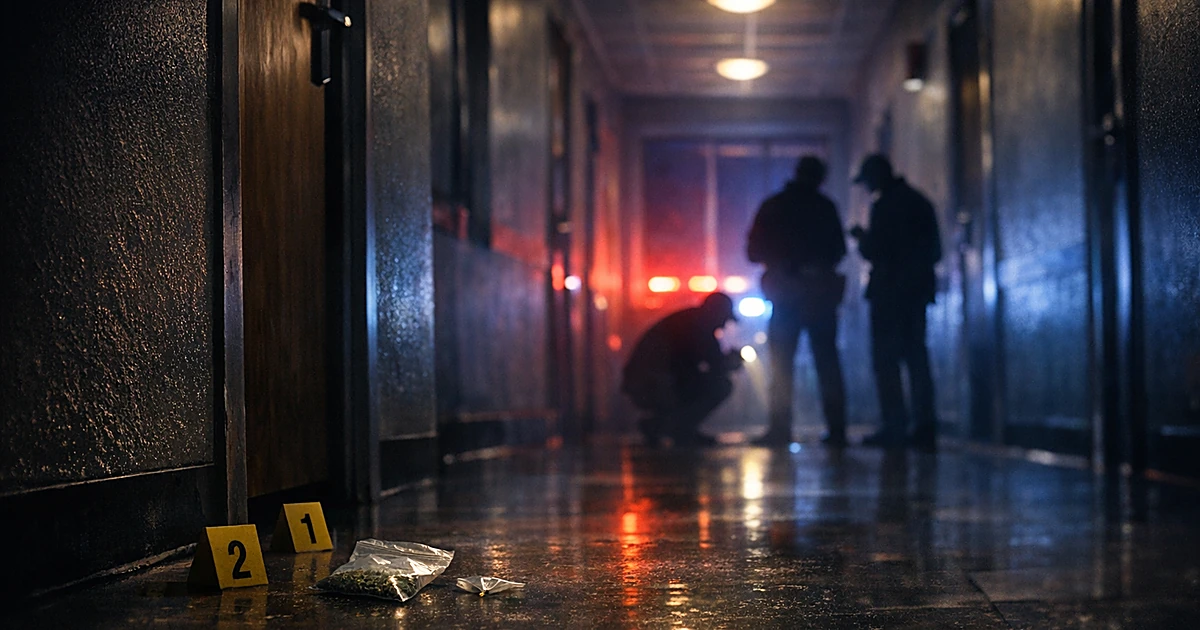
Strang, a junior from Atlanta, was discovered at an off-campus home in Oxford, Mississippi. Hamilton, an 18-year-old freshman from Englewood, Colorado, is believed to have been found at Stewart Hall, a male dormitory on the Ole Miss campus. Both deaths occurred within hours of each other, and packaged kratom, a plant-based substance sometimes called "gas station heroin", was found at both scenes.
No official cause or manner of death has been determined for either student. Toxicology reports, which typically take weeks, are pending. The Lafayette County narcotics task force is investigating both cases, and Mississippi's state investigators have joined the effort at the direction of Gov. Tate Reeves.
Foul play not found, but not ruled out, either
Mississippi Department of Public Safety Commissioner Sean Tindell told Fox News Digital that investigators have not uncovered indications of foul play but are keeping every possibility open.
Tindell described the timing as suspicious but stopped short of calling the two deaths connected:
"The timing of it is suspicious, but I don't know that they have any direct relation other than if they both had ingested the substance from the same source. Then at some point we would try to track it back to that source and take appropriate action."
He added that a final determination would not come until autopsies are reported and investigators have collected evidence and statements. Reeves said Wednesday that the state would try to expedite toxicology results on both victims.
The New York Post reported that the packaged kratom found at both locations had been purchased from a retail store, though authorities have not confirmed it played any role in either death. Kratom is not commercially available in Lafayette County, raising questions about where and how the packages were obtained.
Separately, a warning about cychlorphine, a synthetic opioid, had circulated among Greek life leaders on campus. Cychlorphine may require multiple doses of Narcan to counteract and may not show up on common drug-detecting strips designed to identify fentanyl contamination. Whether cychlorphine was present at either scene remains unclear.
Families broke days of silence Thursday afternoon
Ole Miss Vice Chancellor for Student Affairs Dr. Shawnboda Mead released a statement Thursday afternoon identifying both students by name, saying the families had given permission to do so. Until that point, the university had withheld the names at the families' request.
Scott Sayres, a spokesman for the Strang family, provided a statement to Fox News Digital on Thursday:
"We are heartbroken by the loss of our dear son and are trying to process this unimaginable loss. We are deeply grateful for the incredible outpouring of love, prayers and support by so many beloved friends and family. Their kindness has meant more to our family than we can ever express."
The Hamilton family issued its own brief statement:
"Aidan was a bright, wonderful young man who was taken too soon. He is greatly missed. We thank everyone for their prayers and support and ask that you respect our family's privacy during this time of great loss."
Cases like these, where families and communities are left waiting for answers while investigations grind forward, have become painfully familiar. A similar agonizing wait confronted the family of Dominick Bianchi, a newlywed found dead near Albany under circumstances that left more questions than answers.
Strang led fraternity recruitment; Hamilton was weeks into freshman year
Robert Strang was a member of the Ole Miss chapter of Phi Delta Theta. Social media posts from the fraternity identified him as one of seven co-chairmen of the 2026 Rush, the fraternity's annual recruitment drive. The chapter released a statement mourning both Strang and Hamilton and extending condolences to their families, friends, and classmates.
Hamilton, just 18, was only weeks into his freshman year at Ole Miss. Dispatch records show first responders arrived at Stewart Hall within a minute of being sent to the address. His mother, Kathie Mac Donald Hamilton, posted images of her son to Facebook. The Lafayette County coroner told Fox News that the two cases may not be connected, though the proximity in time and the presence of kratom at both scenes has fueled speculation.
Young lives cut short on college campuses inevitably raise hard questions about institutional responsibility. A Utah family recently pressed a wrongful death case against a university after losing a loved one, only to run into state immunity laws that shielded the school from accountability.
Ole Miss drew criticism for days of public silence
The university's decision to withhold the students' names for several days drew pointed frustration from its own student press. Regan Settle, editor-in-chief of The Daily Mississippian, Ole Miss's student-run newspaper, was described as pressing university leaders to communicate more directly with the campus community. The headline frustration reflected a broader unease: students knew two of their peers were dead, but official channels offered little beyond vague reassurances.
Dr. Mead acknowledged the tension in her Thursday statement, urging the public not to rely on speculation or unverified information while law enforcement continues its work. She framed the delay as deference to grieving families.
Mead said in her statement:
"As our university community continues to mourn the recent tragic loss of two of our students, I encourage everyone to remember that at the center of this are two grieving families, who are processing the unimaginable loss of a child."
That explanation may satisfy some, but it does not resolve the core complaint. When students on a campus learn through rumor and social media that classmates have died under suspicious circumstances, possibly involving tainted drugs, silence from the administration is not sensitivity. It is a failure to warn. Students urged to "avoid all drugs" deserve to know what, specifically, investigators believe may have harmed their peers.
The gap between what officials know and what they share publicly is a recurring problem. In a recent case involving a federal prosecutor found dead in San Diego, authorities faced similar criticism for leaving the public with more questions than answers during the critical early days of an investigation.
Kratom, cychlorphine, and a campus on edge
Kratom occupies an uncomfortable gray zone in American drug policy. Derived from a Southeast Asian plant, it is sold legally in many states, often at gas stations and convenience stores, but has been linked to deaths when contaminated or combined with other substances. Its presence at both scenes does not prove it caused either death, but it puts a spotlight on a product that regulators have struggled to classify and control.
The separate warning about cychlorphine adds another layer of concern. If a synthetic opioid that resists standard detection and requires multiple Narcan doses is circulating near a college campus, students and first responders need to know. Whether that warning was based on confirmed local cases or broader intelligence remains one of many unanswered questions.
Investigators have not said whether the kratom found at the two scenes came from the same source, whether it was contaminated, or whether any other substance was involved. Tindell's careful language, "if they both had ingested the substance from the same source", suggests authorities are working that angle but have not confirmed it.
The sudden death of any young person demands answers, and families deserve them quickly. Expedited toxicology results, as the governor has promised, would be a start.
Two families are grieving sons who went to college and never came home. The least their university and their state owe them, and every other parent watching, is the truth, delivered plainly and without delay.