Trump backs fuel rules that scrap Biden’s electric vehicle mandate
President Trump said Saturday he approved fuel economy standards ending Biden’s EV mandate, promising lower prices and jobs as automakers cheer the change.
President Donald Trump said he has approved new fuel economy standards that end the Biden-era electric vehicle mandate, casting the move as a direct break with rules that pushed carmakers toward EVs Americans did not demand.
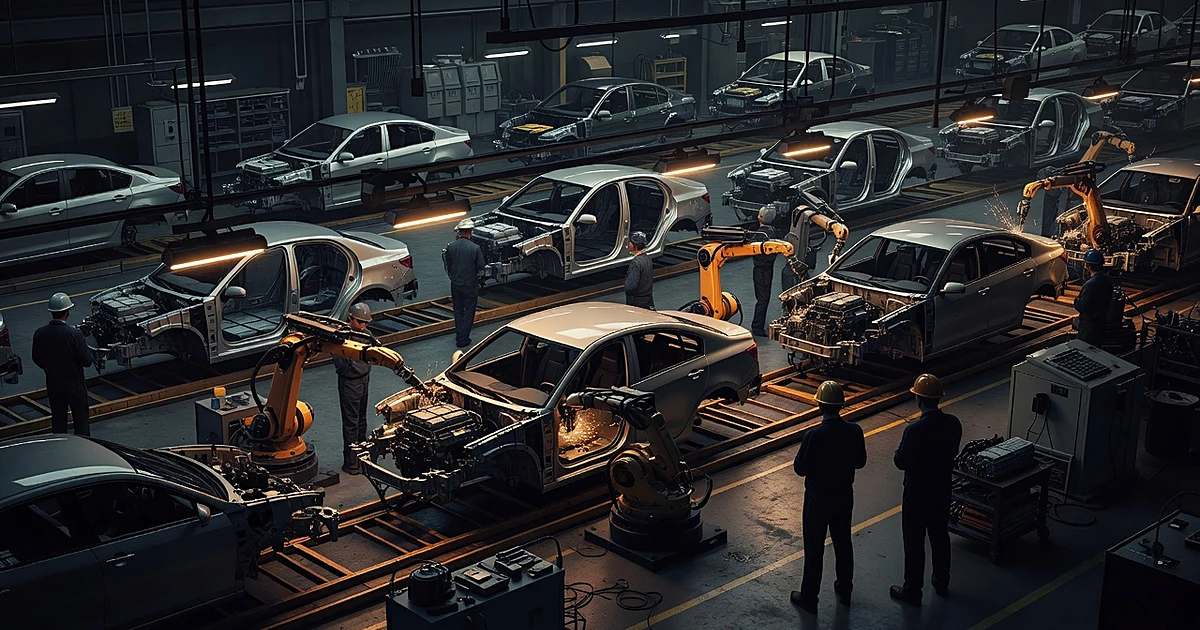
Fox Business reported the Saturday announcement and the Truth Social post that followed, tying the standards to lower sticker prices, less waste in U.S. auto plants, and a return of manufacturing work.
Trump framed the Biden-era approach as a costly experiment forced on both factories and families. He said Democratic policies ran up huge bills for the industry, steered buyers into cars they never wanted, and poured money into charging gear that never got built.
On Truth Social, Trump wrote:
"The Dumocrats cost our Great Auto Manufacturers $Billions, forced Americans into cars they never wanted, and wasted Billions on Chargers that were never built,"
He added that the new standards will “take the waste out of building cars in America,” deliver “LOWER PRICES,” and save families thousands on “a new, beautiful, and safe car” he called “Far better than the Environmental Monsters that we were building heretofore.” He said General Motors, Ford, and Stellantis have all called him wanting to build in the United States, “and now they can!”
Trump also said plants and jobs are coming back to Michigan, Ohio, Indiana, South Carolina, “and all over our Country,” and thanked Transportation Secretary Sean Duffy and Commerce Secretary Howard Lutnick. He said his administration is investing $100 billion in American autos.
Ford’s CEO calls the shift a win for price and common sense
Ford CEO Jim Farley has backed the direction. He previously hailed Trump’s plan to lower fuel standards as a “victory for affordability and common sense.” In December remarks on “Fox & Friends,” Farley said the rule change would let Ford put more affordable versions of popular models on the market and launch new vehicles built in America at better prices.
Farley’s comments land where buyers feel policy first: the showroom. When federal rules force a heavier EV mix, the cost of compliance shows up in product plans and sticker prices. Rolling that pressure back is the point Trump and Farley both stress.
That same pattern of deliberate executive action has marked other Trump fights, including when the Trump administration asked the Supreme Court to restore a blocked third-country deportation policy.
Biden’s 2024 EPA rules locked in the EV push
The dispute did not start Saturday. In 2024, the Environmental Protection Agency under former President Joe Biden issued stricter fuel emissions standards. Those rules required automakers to build more electric vehicles in the years ahead, the core of what Trump now calls the Biden-era EV mandate.
Fuel economy and emissions rules set the efficiency and pollution targets car fleets must meet. When those targets climb fast enough, companies shift production toward EVs whether or not shoppers are lining up for them. That is the mechanism Trump says he has now reversed.
Last year he also ended Biden’s electric vehicle tax credits in the One Big Beautiful Bill Act, cutting another federal prop under the EV push.
Readers tracking how Trump forces institutional showdowns will recognize the same posture he took when he pressed Senate Republicans on the filibuster and warned about the party’s future.
California’s gas-car ban lost federal cover in June
In June, Trump signed a trio of congressional resolutions that ended California’s restrictive diesel-engine rules and its mandates on electric vehicle sales. Before signing, he said the prior administration had given “left-wing radicals in California dictatorial powers to control the future of the entire car industry” nationwide, and beyond.
He said federal officials had approved what he called Governor Gavin Newsom’s plan for a 100% ban on new gas-powered cars “within a very short period of time.” Trump put the choice in blunt terms:
"Think of this, you can't buy any other car except an electric powered car, and in California they have blackouts and brownouts. They don't have enough electricity right now."
He celebrated that his signature “will kill the California mandates forever.”
One state writing rules that then travel nationwide through federal blessing is the reverse of how most voters expect car policy to work. Congress and the White House reclaimed that ground with the June resolutions; the new fuel standards extend the same logic to the federal fleet rules themselves.
High-profile Trump announcements often arrive the same way, clear, public, and aimed at reversing a prior settlement, much like his plan for the D.C. Triumphal Arch project.
What the sequence means for buyers and plants
Line up the moves and the pattern is plain. Biden’s EPA tightened 2024 standards to force more EVs. Tax credits sweetened the path. California’s sales and diesel rules, backed from Washington, tried to lock gas cars out on a short timeline. Trump cut the credits, signed off the California resolutions, and now says he has approved fuel economy standards that end the mandate.
Automakers named in his post, GM, Ford, Stellantis, get a clearer runway to build the vehicles customers already buy, in the plants Trump says are returning to the industrial Midwest and South. Farley’s affordability pitch is the industry echo of that claim.
Trump’s broader information fights have drawn their own backlash, including when major TV networks suspended White House pool coverage after his CNN dispute, and when Obama criticized Trump’s press limits while soft-pedaling his own record with Fox News. The auto rules fight is different in substance but similar in method: reverse the prior administration’s leverage points in public, on the record, and with industry voices willing to say the old path priced people out.
Open questions remain about the formal title and full regulatory text of the new standards, and about the exact calendar date beyond “Saturday.” What is not in doubt is the direction Trump has set, and the contrast with a Biden-California model that treated gas cars as a problem to phase out by decree.
Families shopping for a reliable car should not need a federal permission slip, or a blackout map, to buy the vehicle that fits their life and budget.