Biden's trans visibility day proclamation strikes controversy on Easter 2024
March 31 has been recognized as Transgender Day of Visibility since 2009, celebrating and supporting the transgender community's rights and visibility. When the 2024 date for this observance fell on Easter, a pivotal Christian holiday, it ignited controversy across the United States.
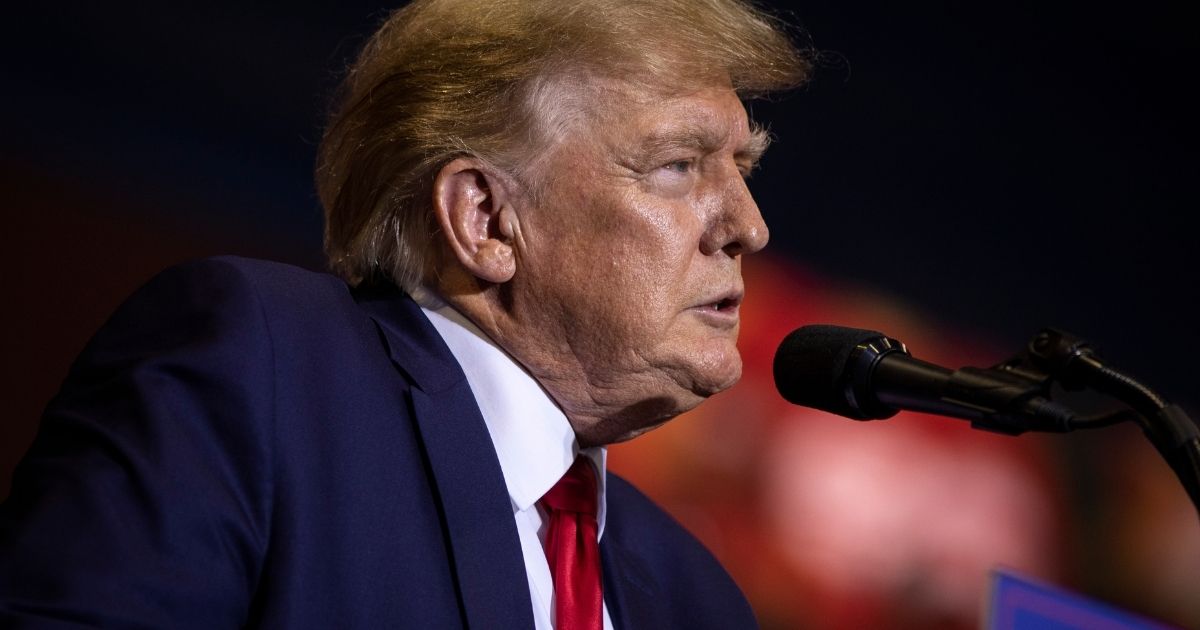
High-profile critics, including then-presidential candidate Donald Trump, rebuked Biden's timing. Figures like Karoline Leavitt, Mike Johnson, Vivek Ramaswamy, and Kristi Noem joined in, asserting that the proclamation overshadowed Easter's sanctity.
In response, the Biden administration upheld its decision, highlighting President Biden's consistent recognition of the day during his presidency and downplaying the backlash as politically driven.
Analysis of Public and Political Reactions
Amidst rising tensions, White House spokesperson Andrew Bates defended President Biden's intentions, emphasizing inclusivity and condemning divisive rhetoric. Bates pointed out that as a Christian, Biden aims to foster unity and respect for every American's dignity and freedoms.
Bates also refuted the idea that the timing was an intentional affront to Christians. He detailed Biden's prior commitments to inclusivity, emphasizing the administration’s overarching message that everyone belongs, including transgender Americans.
During the controversy, Biden's administration issued a reinforcing statement saying, "You are loved. You are heard. You are understood. You belong. You are America, and my entire Administration and I have your back," stressing government support for the transgender community.
Biden vs. Trump: A Contrast in Faith and Politics
Following the backlash in 2024, Biden issued warm Easter wishes to Christians, attempting to quell the tensions. Nonetheless, the event played a significant role in the political arena.
By November 2024, concerns regarding President Biden's mental cognition surfaced prominently, leading to his removal from the Democratic ticket. Consequently, Donald Trump won the presidential election, emphasizing a shift back towards conservative values.
Donald Trump's administration during Holy Week in 2025 starkly contrasted with Biden's approach. Trump committed to defending Christian values and religious liberty across various public domains, including schools and government buildings.
Long-Term Implications for Religious and Civil Rights
In 2025, Trump explicitly compared his policies favorably against those of former President Jimmy Carter and derided Biden as the "worst" president in historical context, focusing on the preservation of Christian principles in public affairs.
This ongoing rivalry highlighted the divisive nature of American politics, particularly around issues of faith and civil rights. Trump’s promise to uphold "the dignity of life, God in our public square, and religious liberty" resonated with his base, reinforcing his administration's direction.
The response from Christian communities and conservative supporters underscored a deep-seated polarization within American society, with significant implications for future legislative and social priorities.
Moving Forward: The National Discourse on Religion and Equality
The debate initiated by Biden's 2024 proclamation has continued to influence the national discourse surrounding religious observances and rights for marginalized communities.
As political landscapes evolve, the balance between upholding religious traditions and promoting equality for all becomes increasingly complex, challenging policymakers and communities alike to navigate these sensitive areas thoughtfully.
Reflecting on this episode, analysts speculate on the broader implications for future elections and the shaping of national identity, stressing the importance of respectful dialogue and mutual understanding in safeguarding the coexistence of diverse perspectives.