Canada drops tech tax after Trump pressure
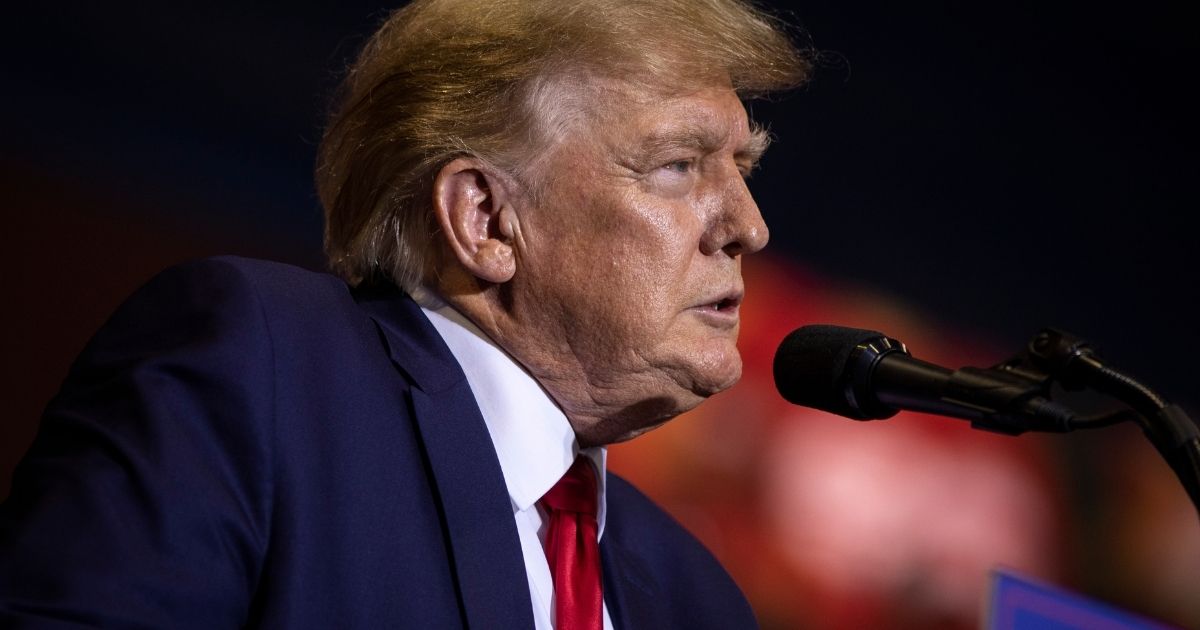
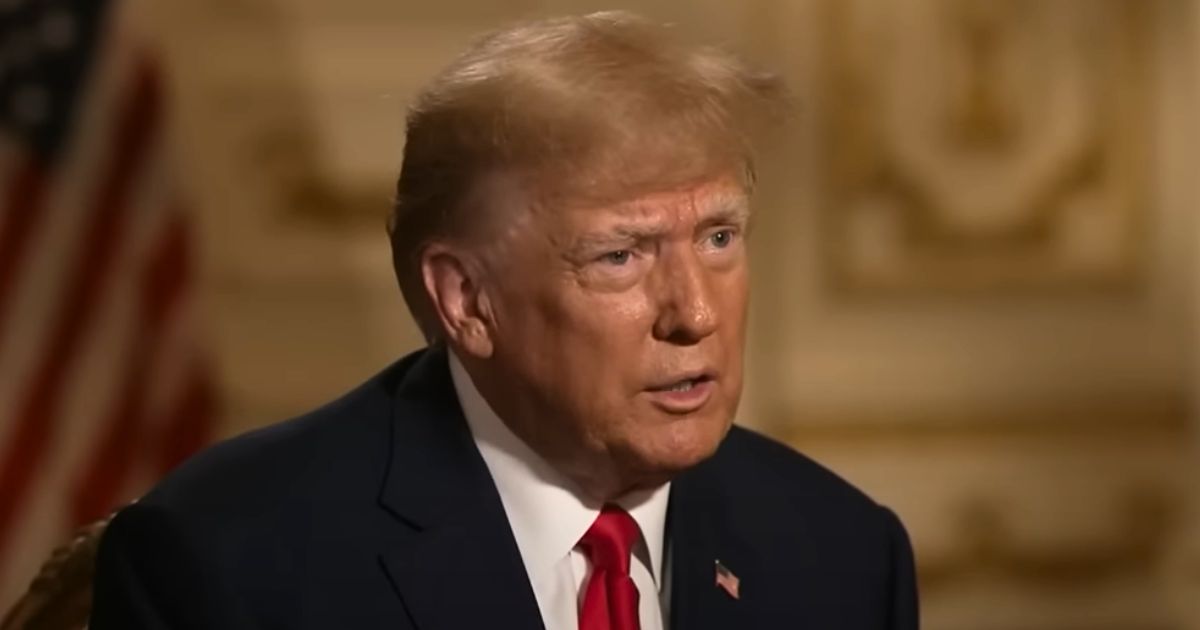
Canada’s Prime Minister Mark Carney just folded under pressure from President Donald Trump. The White House is touting a major win after Carney dropped a controversial tax on American tech giants, signaling who really calls the shots in North American trade.
According to BBC News, the tax, aimed at big U.S. tech firms like Amazon and Google, was scrapped after Trump threatened tariffs and halted trade talks. This reversal came swiftly, with Carney confirming the decision on Sunday evening in a call to Trump himself.
The digital services tax, or DST, would have slapped a 3% charge on Canadian revenue over $20 million for these tech behemoths. Announced back in 2020, it was meant to ensure these companies paid their fair share on income from Canadian users. But Trump labeled it a “blatant attack,” and that was apparently enough to kill it.
Trump’s Tough Talk Pays Off
Trade tensions flared when Trump pulled the plug on negotiations last Friday over the tax dispute. His threat to raise tariffs sent a clear message: America’s economic interests aren’t up for debate. White House Press Secretary Karoline Leavitt didn’t mince words, calling Canada’s initial move a mistake.
“President Trump knows how to negotiate,” Leavitt told reporters on Monday, praising the tax’s removal as a “big victory for our tech companies and workers.” From a conservative lens, this looks like a masterclass in prioritizing national interests over misguided progressive tax schemes. Still, one wonders if Canada got anything in return for this capitulation.
Carney, for his part, tried to spin the retreat as strategic, saying on Monday that the tax was dropped as “part of a bigger negotiation.” That’s a polite way to admit you’ve been outmaneuvered. It’s hard to see this as anything but a loss for Canadian sovereignty in the face of American muscle.
Trade Talks Back on Track
Following the tax’s cancellation, trade discussions between Washington and Ottawa resumed on Monday. White House economic adviser Kevin Hassett confirmed the development, signaling a thaw after a tense few days. U.S. Commerce Secretary Howard Lutnick even took to X to thank Canada for backing off.
Lutnick called the tax a move “intended to stifle American innovation” and a potential “deal-breaker” for any trade agreement. From where I stand, he’s got a point—why should U.S. companies foot the bill for Canada’s revenue gaps? But fairness demands asking if Canada’s smaller economy can afford such concessions.
Canadian Finance Minister François-Philippe Champagne also weighed in, noting the tax was always meant as a placeholder until a multilateral agreement could be reached. That’s a reasonable stance, but scrapping it under duress hardly screams confidence. It’s a reminder that global tax policies need consensus, not unilateral overreach.
Opposition Pushes for Leverage
Back in Canada, opposition leader Pierre Poilievre didn’t let Carney off easy, slamming the last-minute reversal as weak. Posting on X, he mocked Carney’s earlier “elbows up” rhetoric about defending Canadian interests against Trump. Poilievre’s frustration is palpable, and many conservatives south of the border might empathize with his call for tougher negotiation.
Poilievre urged Carney to demand that the U.S. lift softwood lumber tariffs in exchange, arguing for tangible gains for Canadian workers. It’s a fair point—trade deals should be a two-way street, not a one-sided surrender. Will Carney take up the challenge, or is this just more posturing?
The tax, had it stood, was projected to cost U.S. tech giants over C$2 billion in its first year, with a retroactive start from January 2022. Canada’s budget last year estimated a haul of C$5.9 billion over five years. That’s serious cash, now off the table thanks to Trump’s hardball tactics.
Broader Implications for Tech Taxes
Canada’s decision comes as other nations, like the UK, grapple with how to tax multinational tech firms raking in billions globally while dodging local levies. The issue isn’t just Canadian—it’s a global puzzle with no easy answers. But bending to pressure sets a precedent that might embolden bigger economies to dictate terms.
This outcome reinforces the importance of a strong leader like Trump, who doesn’t shy away from protecting domestic industries. Yet, there’s a flip side: smaller nations like Canada deserve a seat at the table without being steamrolled. Balance in trade policy remains elusive.
As trade talks restart, the question lingers—will Carney regain any ground, or has Trump set the tone for future dealings? From a right-of-center view, America’s interests must come first, but diplomacy shouldn’t mean domination. Let’s hope both sides find a path that respects mutual needs without resorting to economic arm-twisting.