Consumer inflation drops to the lowest level in nearly five years as gas and housing costs ease
The consumer price index fell to 2.4% year-over-year in January, down from 2.7% in December, marking the lowest inflation reading in nearly five years. Core prices — which strip out volatile food and energy — rose just 2.5% from a year earlier, the smallest increase since March 2021.
For Americans who've watched prices climb roughly 25% over the past five years, the trajectory matters more than any single month's number. And the trajectory is finally, unmistakably, pointing in the right direction.
Where the relief is showing up
Gas prices drove much of January's improvement, falling 3.2% from December alone — the third decline in four months — and sitting 7.5% lower than a year ago.
Housing costs, which make up a full third of the inflation index, also showed signs of cooling. Rental prices and the cost of owning a home both rose just 0.2% in December, a far cry from the 8%-plus rent increases that hammered consumers in 2022, according to AP News.
Used car prices dropped 1.8% in January from the prior month, the biggest decline in two years. Hotel prices ticked down 0.1% and are 2% cheaper than last year.
Not everything is moving in the right direction. A few categories are still running hot:
- Airline fares soared 6.5% in January alone, following a 3.8% jump in November
- Music streaming subscriptions climbed 4.5% in January and are 7.8% higher than a year ago
- Furniture prices jumped 0.7% in a single month and are up 4% year-over-year
- Grocery prices rose 0.2% in January, up 2.1% from a year earlier
Monthly consumer prices overall rose 0.2% in January, with core prices up 0.3%. Steady, manageable movement — not the kind of lurching increases that defined 2022.
The Fed's next move
The Federal Reserve's target inflation rate is 2%. At 2.4%, we're not there yet, but we're close enough that the conversation has shifted from whether rates will come down to when. Luke Tilley, chief economist at Wilmington Trust, framed it plainly:
"Inflation continues to decelerate and is not threatening to move back up, and that will enable more rate cuts by the Fed."
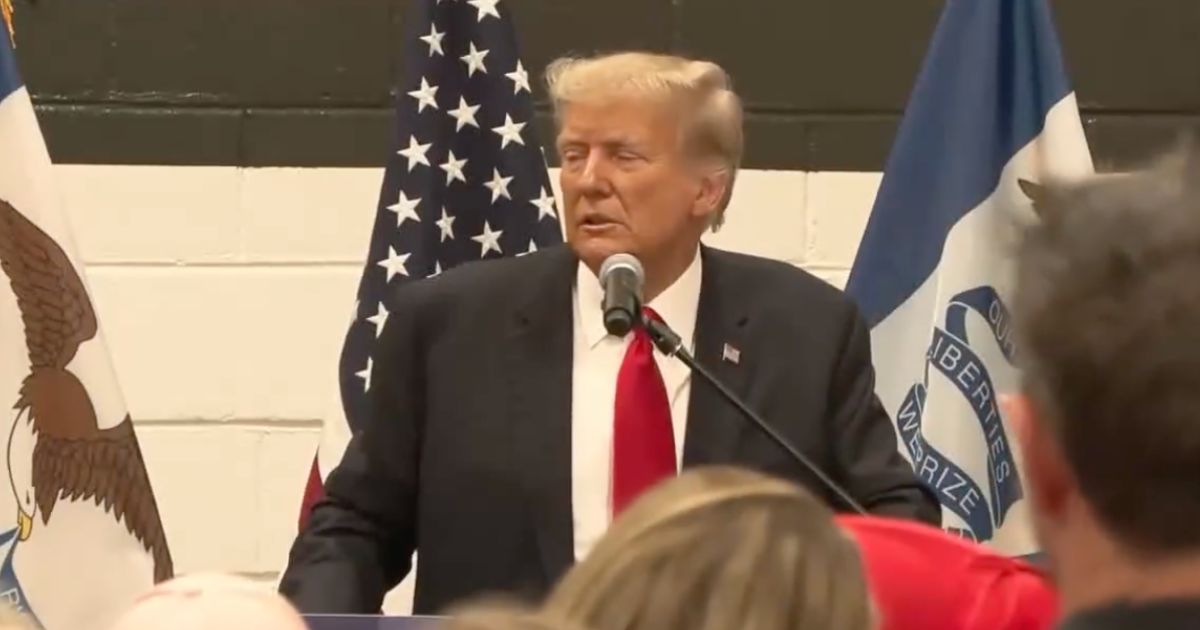
President Trump has repeatedly pushed the Fed to cut its key short-term interest rate. With January's numbers in hand, that position looks less like pressure and more like prescience. The data is catching up to the demand.
Tilley also offered an interesting observation about consumer behavior shaping the broader price environment. Hiring weakness last year slowed wage growth, which means consumers simply aren't in a position to absorb across-the-board price hikes. Companies know this.
"We don't think consumers are in a place to take on price increases across the board, so you're not seeing those price increases."
In other words, the market is doing what the market does — disciplining prices when demand can't sustain them. That's not a policy failure. That's economics working.
Tariffs and the real picture
The tariff conversation deserves honest treatment. A Federal Reserve Bank of New York study released Thursday found that U.S. companies and consumers are absorbing nearly 90% of tariff costs. That's a real number, and it's reflected in how some businesses are operating.
Arin Schultz, chief growth officer at Naturepedic — a company with about 200 workers that sources organic latex internationally — said the company raised prices roughly 7% last year due to tariff-related costs.
"Tariffs are awful. We are less profitable now as a company because of tariffs."
That's a real business impact. But it's also one data point, not the whole economy. And the administration has shown willingness to calibrate. President Trump postponed import duties on upholstered furniture until 2027, lowered tariffs on imports from India to 18% from the original 50%, and has delayed, scrapped, or provided exemptions to various other duties. Schultz himself welcomed the India tariff reduction and noted the potential to cut some of his company's prices when it kicks in.
This is what strategic trade policy looks like in practice — imposing leverage where it matters, adjusting where the costs outweigh the benefits, and keeping the broader goal in view. The fact that January's overall inflation number dropped to a five-year low while tariffs remain in effect undermines the narrative that tariffs automatically equal runaway prices.
A data worth noting
October's six-week government shutdown interrupted the Labor Department's data gathering, forcing the agency to plug in estimated figures for that month. Some economists have suggested this may have distorted rental figures in the months since. It's a minor caveat, but worth flagging — government shutdowns have consequences that ripple through the data long after the doors reopen.
The longer arc
Perspective matters here. Inflation surged to 9.1% in 2022 — the worst price spike in a generation, driven by reckless fiscal policy and an energy sector that had been kneecapped by years of hostility from Washington. It began falling in 2023, leveled off around 3% by mid-2024, and has now dropped to 2.4%.
That's meaningful progress. It doesn't erase the 25% cumulative price increase that Americans have absorbed over five years. The sticker shock at the grocery store, the rent check, the airline ticket — those prices aren't coming back down to 2020 levels. Disinflation is not deflation. Prices are still rising; they're just rising more slowly.
But the direction matters for policy, for interest rates, and for the millions of Americans trying to buy a home, finance a car, or simply keep up. A 2.4% inflation rate with falling gas prices and cooling housing costs is the kind of environment where real economic recovery becomes possible — not just on paper, but in paychecks.
The Fed has room to move. The market has room to breathe. And for the first time in years, the inflation number isn't the thing keeping Americans up at night.
It's the prices that got there before the relief arrived.