DSA tied to Mamdani urges Trump to release Maduro and restore his leadership
President Donald Trump’s bold military strike on Venezuela, capturing dictator Nicolás Maduro and his wife Cilia Flores, has ignited a firestorm of debate over American power and policy in Latin America.
The Democratic Socialists of America (DSA), the nation’s largest socialist organization with ties to influential figures like New York City Mayor Zohran Mamdani, issued a scathing condemnation of the operation, calling for Maduro’s return to power, Fox News reported.
The DSA’s rebuke, published Saturday, pulls no punches, declaring, “The Trump Administration has started an illegal war against Venezuela.” Such rhetoric frames the U.S. action as a predatory overstep, ignoring the grave narcotics charges against Maduro, which include funneling millions of pounds of cocaine into American communities.
Trump’s Strike: A Decisive Blow to Drug Networks
On Saturday morning, Trump confirmed the success of the military operation, which resulted in no U.S. casualties or equipment damage while securing Maduro and Flores on sweeping drug-related charges. This strike fulfills a campaign promise to choke the flow of illicit substances flooding across U.S. borders.
The Venezuelan leader, in power since 2013, has long been accused of colluding with cartels and narco gangs across South America and Mexico. Trump’s focus on curbing this deadly trade, evident through past tariffs on nations like China over fentanyl and boat strikes in the Caribbean, shows a consistent aim to protect American lives.
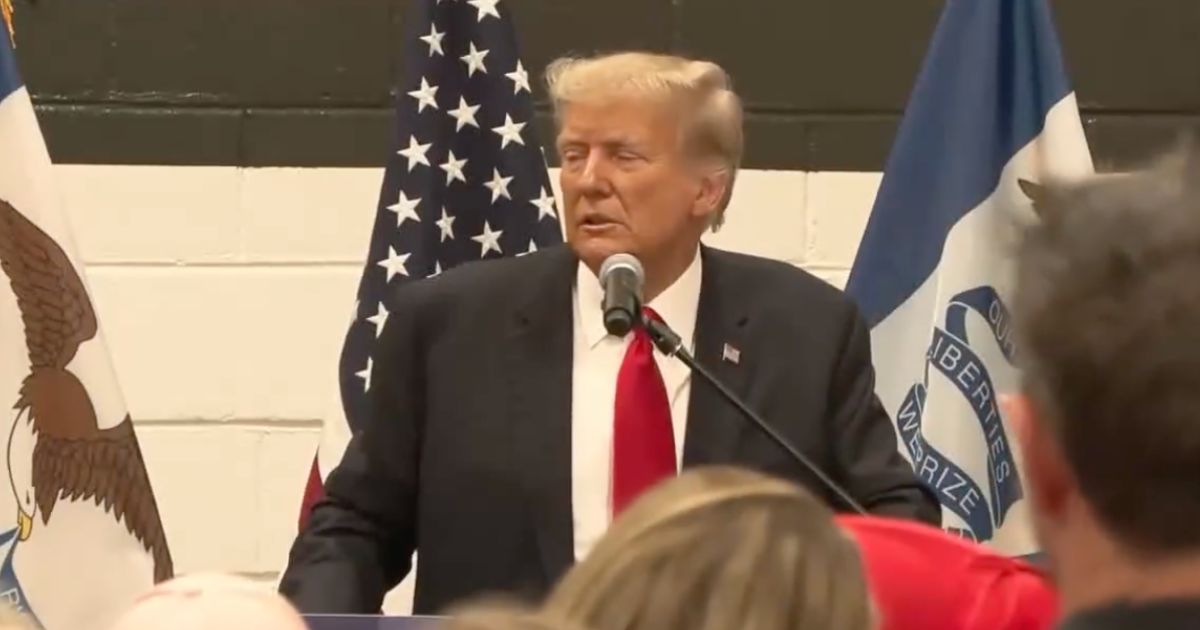
During a press conference, Trump hailed the mission, stating, “The United States military is the strongest and most fearsome military on the planet. By far.” His words reflect a pride in national strength, a reminder that such operations send a clear signal to rogue regimes profiting off American suffering.
DSA’s Demands Clash with National Security Goals
The DSA, backed by left-wing figures like Reps. Alexandria Ocasio-Cortez and Rashida Tlaib, listed seven demands, including returning Maduro to Venezuela and ending what they call a “failed ‘war on drugs.’” Their stance dismisses the documented evidence of Maduro’s criminal enterprises, prioritizing ideology over the safety of U.S. citizens.
They further claim, “There is no substantiated evidence that high-level members of the Venezuelan government are ‘narco-terrorists.’” This assertion crumbles under the weight of federal indictments dating back nearly six years, painting their position as more about anti-American posturing than reasoned critique.
Maduro and Flores now sit in Brooklyn’s Metropolitan Detention Center, with an arraignment set for Monday afternoon. The DSA’s call for protests and solidarity with Venezuela’s “sovereign people” sidesteps the reality of a regime that has impoverished its own citizens while allegedly enriching itself through drug trafficking.
Political Divide Sharpens Over Venezuela Operation
New York City Mayor Mamdani, a prominent DSA member recently elected in November, personally challenged Trump on the strike, revealing a deep rift in how leaders view U.S. foreign policy. He told the public he expressed opposition directly to the president, citing concerns over regime change and violations of international law.
Mamdani elaborated on Saturday, saying, “I called the president and spoke with him directly to register my opposition to this act and to make clear that it was an opposition based on being opposed to a pursuit of regime change.” His words echo a broader progressive discomfort with American intervention, yet fail to address the human cost of Maduro’s alleged crimes on U.S. soil.
Meanwhile, more moderate Democrats have criticized the operation for bypassing Congressional notification, while many Republicans stand firmly behind Trump’s decisive action. Sen. Tom Cotton of Arkansas praised the mission on X, affirming Maduro’s indictment for drug trafficking and narco-terrorism as justification for his capture.
America’s Resolve Tested Amid Global Tensions
Cotton’s post also commended the bravery of U.S. troops and law enforcement, underscoring a belief that justice for American citizens harmed by Maduro’s actions is long overdue. His consultation with Secretary of State Marco Rubio, who confirmed Maduro’s custody, reinforces the operation’s legitimacy in the eyes of many conservatives.
The DSA’s vision of withdrawing U.S. military presence from the Caribbean and halting interventionist operations through SOUTHCOM reveals a stark contrast in priorities. Their approach risks emboldening criminal networks, leaving vulnerable communities in both the U.S. and Latin America to bear the consequences of unchecked drug empires.
As Maduro awaits his day in court, this saga tests America’s resolve to confront threats beyond its borders while navigating a polarized political landscape at home. Trump’s strike may well redefine how the nation balances power, security, and the moral imperative to shield its people from the scourge of narco-terrorism.