Federal indictment reveals NYC bombing suspects also planned to drive vehicle into a crowd
Two teenagers charged with hurling homemade bombs at a protest outside Gracie Mansion had a far deadlier plan waiting in the wings, driving a "large vehicle" into a packed crowd at a festival, parade, or public celebration, according to a federal indictment unsealed Tuesday night in Manhattan.
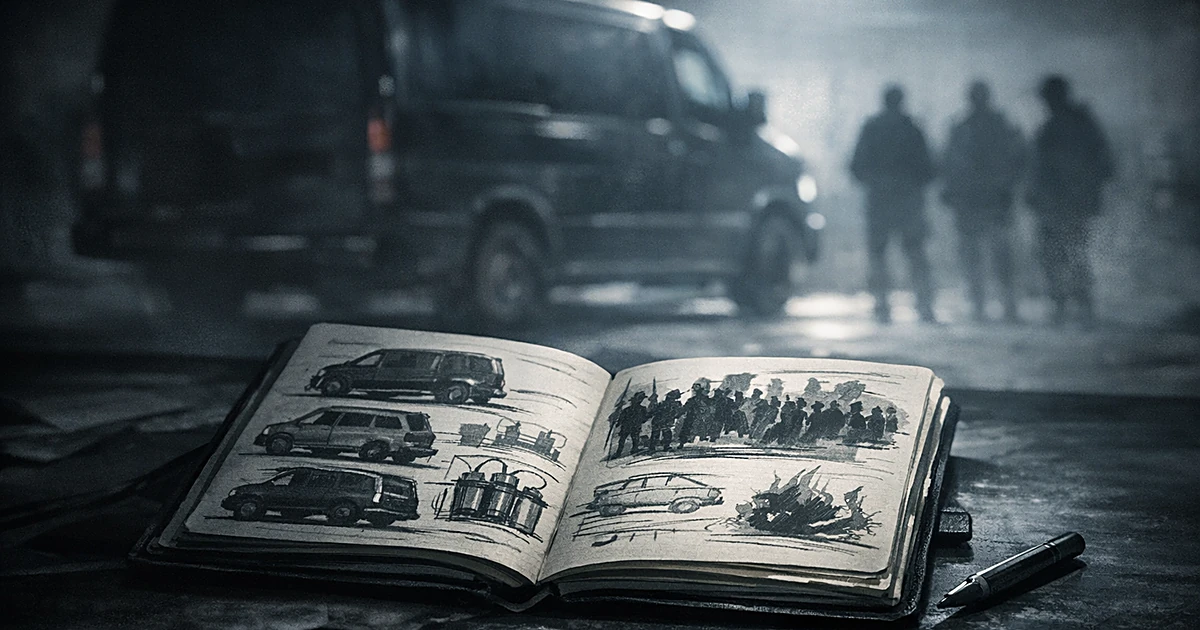
Emir Balat, 18, and Ibrahim Kayumi, 19, already faced terrorism charges for the March 7 attack outside the Upper East Side mayoral residence. The newly unsealed court papers add a chilling layer: the pair allegedly scrawled detailed attack-planning notes in a notebook recovered by the FBI from the car they drove from Pennsylvania to New York City that same day.
The notebook described finding the "ideal vehicle", one that was "load bearing," "large in size," "reasonably fast," and "heavy in weight." It listed potential targets including "festivals," "parades," a "protest," and "celebrations." It also contained steps for making napalm. The two face up to life in prison.
Dashcam captured the plan in their own words
Federal prosecutors say the car's dashcam recorded Balat and Kayumi discussing plans to kill at least 60 people. If the vehicle attack fell through, they allegedly discussed a backup plan: throwing explosives inside a café.
One of the suspects, identified in court papers as Kayumi, was recorded making his intentions plain:
"All I know is I want to start terror, bro."
And:
"I want to petrify these people."
Those are not the words of confused teenagers. They are the words prosecutors presented to a federal grand jury in support of charges that include attempting to use a weapon of mass destruction.
What happened outside Gracie Mansion on March 7
The indictment describes a scene that could have ended in mass casualties. After driving from Pennsylvania, the pair arrived at the Upper East Side mayoral residence, where Jake Lang, described as a pardoned January 6 participant, was leading an anti-Muslim protest. A large group of counterprotesters, journalists, and NYPD officers were also present.
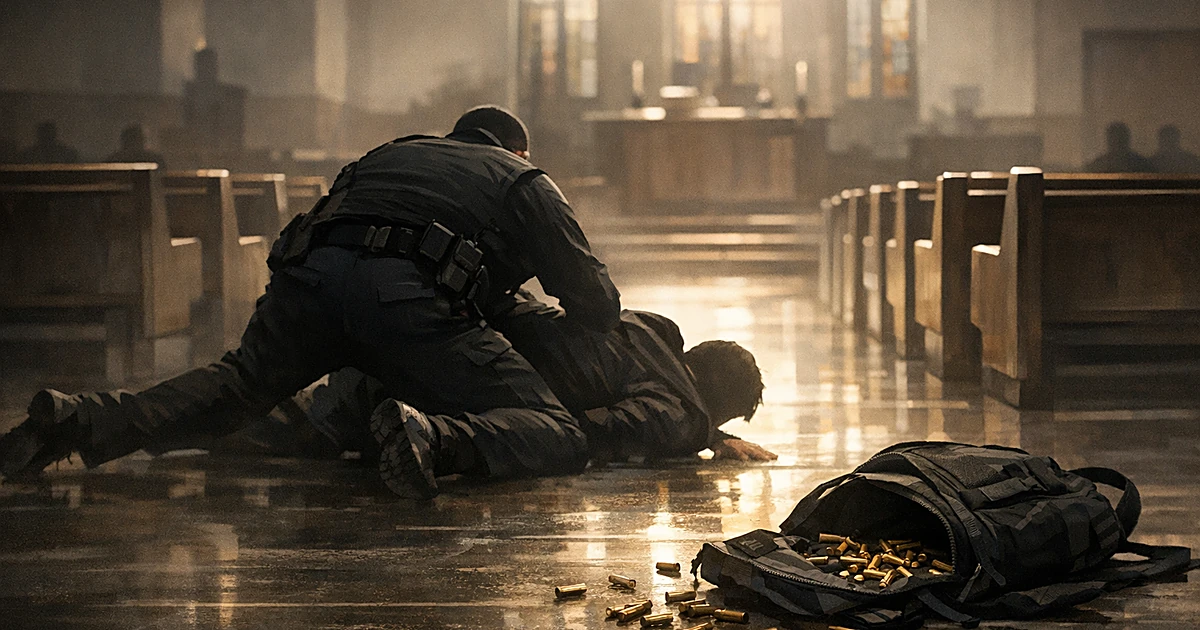
Balat allegedly ignited and threw a homemade bomb toward the area where the protest was taking place. The improvised explosive device did not detonate. He then allegedly ran down the block, where Kayumi handed him a second bomb. Balat allegedly dropped that device on the ground near several NYPD officers.
That bomb also failed to go off. Police officers spotted the devices, tackled Balat, and arrested both suspects. The fact that no one died or suffered serious injuries owed more to faulty bomb-making than to any lack of intent.
The Department of Justice has moved aggressively on newly unsealed indictments in several high-profile cases recently, and the Gracie Mansion case now stands among the most serious domestic terrorism prosecutions in recent memory.
The ISIS playbook, again
Vehicle-ramming attacks are not a new tactic. ISIS members and sympathizers have used large vehicles in deadly attacks multiple times. The most notorious New York City example came in 2017, when convicted killer Sayfullo Saipov drove a truck into a crowd on a West Side Highway bike path, killing eight people and injuring many more.
The notebook allegedly recovered from Balat and Kayumi's car reads like a page from that same playbook. Prosecutors describe both suspects as alleged homegrown ISIS supporters. The specificity of the vehicle criteria, load-bearing capacity, size, speed, weight, suggests planning that went well beyond idle talk.
Major federal investigations and high-profile terrorism indictments remind Americans that the threat from radical Islamist ideology has not disappeared. It has simply adapted, moving from organized overseas cells to self-radicalized individuals living in American communities.
A notebook, a dashcam, and a failed detonation
The strength of the federal case appears to rest on physical evidence and the suspects' own recorded words. The FBI seized the notebook from the car. The dashcam captured their conversation. The bombs were recovered at the scene. And both suspects were apprehended by NYPD officers on the spot.
Their attorneys did not immediately respond Wednesday to requests for comment. No case number or specific additional federal statutes beyond the weapon-of-mass-destruction charge have been publicly identified beyond what the unsealed indictment contains.
The FBI's role in apprehending violent suspects on American soil remains one of the bureau's core missions, and the evidence trail in this case, from notebook to dashcam to failed IEDs, illustrates why that mission matters.
What remains unclear is how two teenagers from Pennsylvania allegedly radicalized to the point of planning mass murder, and whether anyone else was involved. The indictment, as unsealed, names only Balat and Kayumi.
The gap between rhetoric and reality
For years, political leaders in major American cities have focused public safety rhetoric on gun control, domestic extremism from the political right, and social-media misinformation. Those are real issues. But the Gracie Mansion case is a reminder that the oldest and most persistent terrorism threat on American soil, radical Islamist violence inspired by groups like ISIS, has not gone away because officials stopped talking about it.
An 18-year-old and a 19-year-old allegedly drove across state lines with a notebook full of attack plans, discussed killing 60 people on camera, and threw homemade bombs at a crowd that included police officers and journalists. The bombs didn't work. Next time, they might.
The broader question of how federal law enforcement prioritizes its resources, and whether internal DOJ and FBI controversies distract from the counterterrorism mission, is one that deserves honest scrutiny from lawmakers and the public alike.
Balat and Kayumi each face up to life in prison. Given what prosecutors say they intended, that is the appropriate ceiling.
Bombs that fail to detonate do not mean the threat failed to materialize. It means Americans got lucky, and luck is not a counterterrorism strategy.