Federal judge pauses trial of man accused of attempting to assassinate Trump at WHCA dinner
The criminal trial of Cole Allen, the man accused of trying to kill President Donald Trump during the White House Correspondents' Association dinner in April, has been delayed 45 days after a federal judge approved a joint request from prosecutors and defense attorneys citing the sheer volume of evidence in the case.
U.S. District Judge Trevor McFadden granted the pause on Monday, with the next hearing now set for Aug. 20, when a trial date is expected to be established. Federal prosecutors described the discovery as spanning "thousands of pages and gigabytes of data" covering Allen's alleged activities from California to Washington, D.C., Just the News reported.
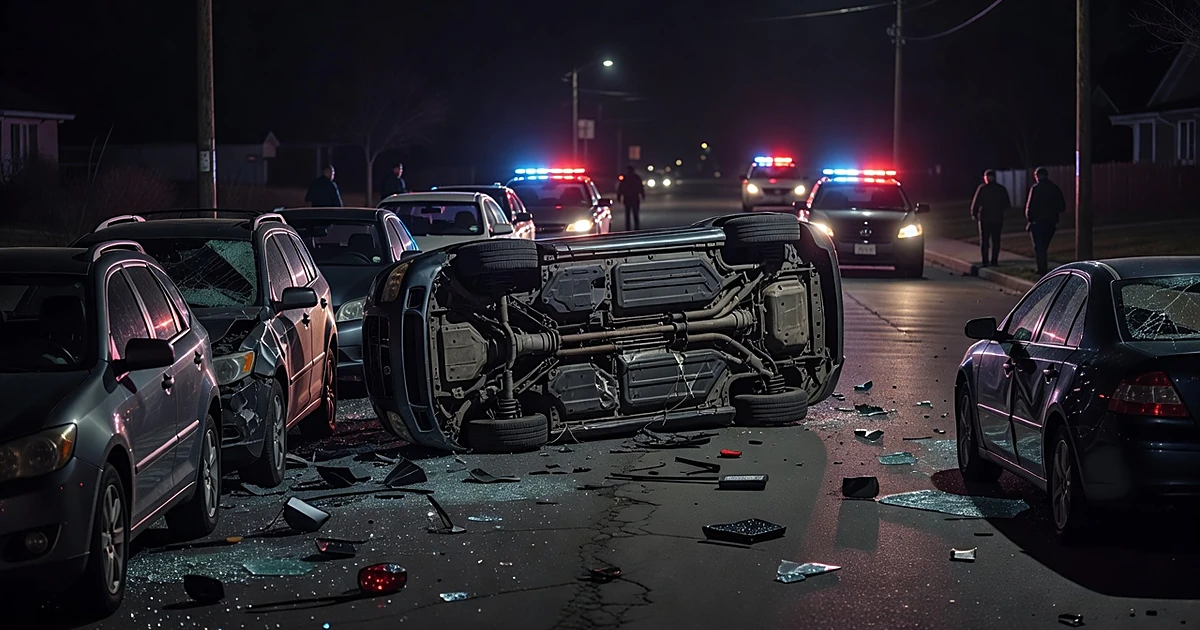
Allen, 31, has pleaded not guilty to charges of attempted assassination of the president, assaulting a federal law enforcement officer, and firearm offenses. He was apprehended by law enforcement at the Washington Hilton on April 25 after allegedly sprinting through a Secret Service checkpoint armed with a shotgun and firing at a Secret Service officer, who was struck in the chest. The agent survived, saved by a bulletproof vest.
A case already marked by pretrial clashes
The 45-day delay is the latest procedural turn in a case that has already generated significant pretrial friction. Before the trial timeline was paused, Allen's defense team had attempted to disqualify two senior Justice Department officials from any involvement in the prosecution.
Judge McFadden rejected that motion in an 18-page decision, ruling that neither acting Attorney General Todd Blanche nor U.S. Attorney Jeanine Pirro had a legal conflict of interest, even though both were present at the WHCA dinner the night of the alleged attack. As the Washington Examiner reported, McFadden found that neither official qualified as a "victim" of Allen's alleged crimes.
"Neither Blanche nor Pirro is a victim of Allen's alleged crimes."
That ruling cleared a potential obstacle that could have complicated the prosecution or forced a recusal at the top of the Justice Department. With that motion behind him, McFadden now oversees a case moving into a discovery phase that prosecutors say will be enormous in scope.
The scope of the evidence
The geographic range of the investigation, California to Washington, D.C., suggests prosecutors are building a case that goes well beyond the events of April 25. What Allen was doing before he arrived at the Washington Hilton, how he obtained the weapon, and what route he traveled remain open questions that the discovery material may address.
The fact that both sides jointly requested the delay is worth noting. Defense attorneys evidently agreed they need time to review the mountain of records. That kind of cooperation on scheduling is common in complex federal cases, but it also means the public will wait months longer for a trial that carries extraordinary gravity.
Allen's not-guilty plea, entered last month, sets up what could be one of the most closely watched federal trials in years. The charges alone, attempted assassination of a sitting president, place the case in rare and serious territory. The last time a president faced gunfire at a public event before this was the shooting at the WHCA dinner itself, an incident Trump later said did not worry him.
A pattern of threats against the president
The Allen case does not exist in isolation. It arrives against a backdrop of escalating threats and acts of political violence directed at Trump and those in his orbit. Federal authorities have handled a string of cases in recent years involving individuals accused of plotting or threatening harm against the president.
Among them: a Butler, Pennsylvania, man who called himself "Mr. Satan" pleaded guilty to threatening to kill Trump and ICE agents. And former FBI Director James Comey surrendered to federal authorities on charges related to a deleted Instagram post that prosecutors characterized as a threat against the president.
Separately, FBI documents revealed that the shooter in the July 13 assassination attempt at a Butler County rally had contacted a local sheriff's deputy before the attack, raising questions about what law enforcement knew and when.
Each case carries its own facts and its own legal posture. But taken together, they form a pattern that ought to trouble anyone who believes in the basic security of the democratic process. A president has now faced multiple armed threats in a span of months, and the legal system is still working through the consequences.
What remains unanswered
Several key questions remain unresolved. The motive behind Allen's alleged attack has not been publicly disclosed. No official statement explains why he allegedly targeted Trump at the WHCA dinner, or whether he acted alone. The identity of the Secret Service agent who was shot has not been released, though the agent was discharged from the hospital in late April.
It is also unclear whether President Trump was in the immediate vicinity when shots were fired. The WHCA dinner draws hundreds of guests, including senior administration officials, journalists, and political figures. Prosecutors have referenced other "high-ranking officials in the administration" who were allegedly targeted, but the details remain thin.
The court proceedings themselves have raised separate concerns. A federal judge earlier apologized to Allen over his jail conditions, a development that drew sharp attention given the severity of the charges he faces.
Whether the 45-day pause leads to a swift trial date in August or further delays remains to be seen. Complex federal cases often stretch well beyond initial timelines, particularly when discovery runs into the thousands of pages. The Aug. 20 hearing will be the next checkpoint.
The stakes ahead
For now, the legal process moves at its own pace. Allen sits in federal custody. Prosecutors assemble their evidence. Defense attorneys review it. And a trial date drifts further into the future.
What should not drift is the public's attention. A man allegedly rushed a Secret Service checkpoint with a shotgun at a dinner attended by the president of the United States, shot a federal agent, and is now awaiting trial on charges that carry the most severe consequences the law provides. The system owes the country a thorough prosecution, and a timely one.
When someone tries to settle political disagreements with a shotgun, the courts don't get to take their time forever.