Senator Cotton cautions Iran on nuclear ambitions: 'do not tempt fate'
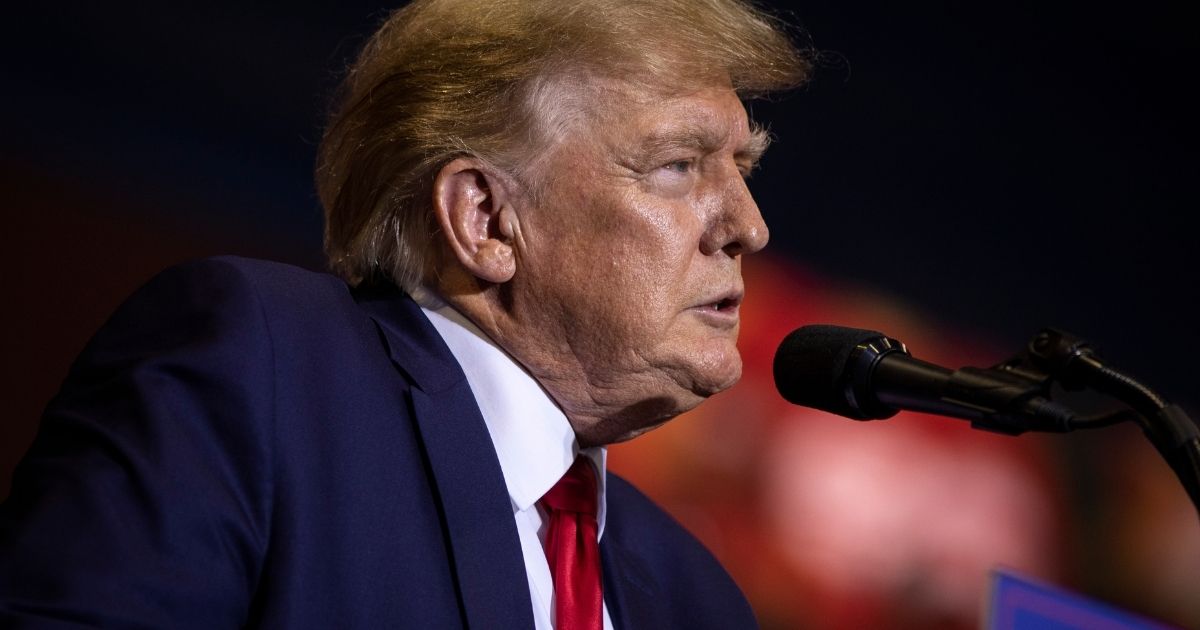
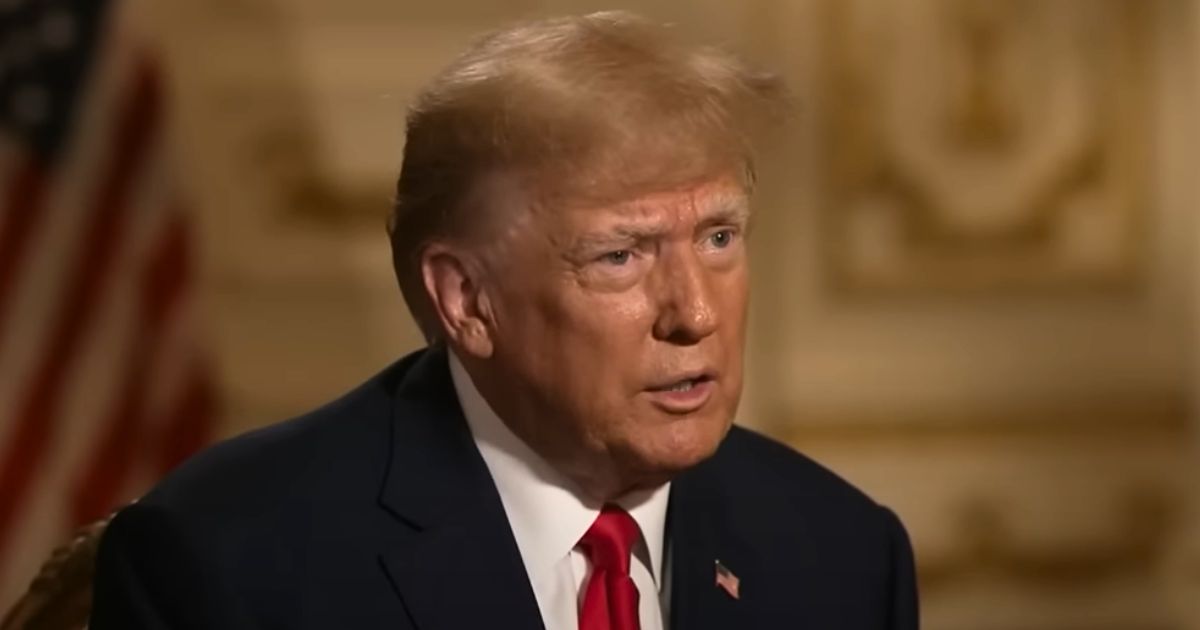
In a stern message to Tehran, Sen. Tom Cotton, R-Ark., has put Iran on notice that the United States, under President Donald Trump, is not playing games when it comes to dismantling their nuclear aspirations.
The news centers on recent U.S. military actions against Iranian nuclear facilities and Cotton’s pointed warnings to Iran’s leadership, as reported by Fox News. His remarks underscore a critical moment in the escalating tensions involving Iran, Israel, and the U.S.
On Sunday morning local time, the United States launched a significant strike on Iranian nuclear sites, deploying multiple bunker-buster bombs and dozens of missiles in what has been a clear signal of resolve.
Cotton’s Warning Rings Loud and Clear
This military operation, aimed at crippling Iran’s nuclear infrastructure, has already caused substantial damage, according to Cotton, who chairs the Senate Intelligence Committee.
Speaking on ABC’s “This Week,” Cotton emphasized that the trajectory of this conflict now hinges on Iran’s next move. He urged the ayatollahs to take President Trump’s resolve seriously and consider dismantling what’s left of their nuclear program.
“The supreme leader and the ayatollahs in Iran need to understand that President Trump means business,” Cotton declared. While I appreciate the firmness of this stance, it’s a reminder that diplomacy must still have a seat at the table, even if it’s backed by a heavy hand.
Untouched Targets Loom as Leverage
Cotton was clear that the U.S. and Israel had deliberately held back from striking certain high-value targets. These include Iran’s supreme leader, energy infrastructure, and other vital systems, which he implied remain in the crosshairs if Iran refuses to comply.
“That’s an implicit message that Iran still has things that they hold dear, that neither the United States nor Israel has struck,” Cotton noted. It’s a calculated move, showing restraint while flexing muscle—a strategy that avoids reckless escalation but keeps the pressure on.
When pressed by ABC host Jonathan Karl on whether the U.S. might target Supreme Leader Ayatollah Ali Khamenei directly, Cotton refused to speculate on specific actions. He did, however, affirm that Trump “does not bluff,” a statement that should make Tehran think twice before testing American resolve.
Iran’s Response Stokes Further Tension
Iran, predictably, has reacted with outrage to the U.S. strikes, accusing Washington of crossing “a very big red line.” Their Foreign Minister Abbas Araghchi called the actions an act of aggression, holding the U.S. fully accountable for any consequences.
“The warmongering and lawless administration in Washington is solely and fully responsible for the dangerous consequences and far-reaching implications of its act of aggression,” Araghchi stated, per the Associated Press. While Iran’s frustration is understandable, their rhetoric ignores the reality that pursuing nuclear capabilities invites such responses in a world weary of rogue ambitions.
Adding to the geopolitical chess game, Araghchi announced plans to travel to Moscow to align strategies with Russia, a close ally. This move signals Iran’s intent to rally support rather than de-escalate, a choice that could complicate matters further for all involved.
Lessons of History for Tehran
Cotton’s final admonition to Iran’s leadership was steeped in historical caution. “My message to the supreme leader is: Look at the lessons of history. Do not—do not tempt fate,” he warned, urging them to avoid targeting Americans and to heed Trump’s clear stance.
This isn’t just tough talk; it’s a reminder that actions have consequences, especially when a nation flirts with capabilities that threaten global stability. While some on the progressive side might decry this as saber-rattling, it’s hard to argue against a policy that prioritizes American safety over appeasement.
As this situation unfolds, the ball is squarely in Iran’s court, with Cotton and the Trump administration watching closely. The strikes on Sunday were a bold opener, but the unspoken threat of further action looms large. Let’s hope Tehran chooses a path of reason over defiance, though history suggests that’s a tall order.