Trump halts Newsom’s aggressive electric vehicle mandates
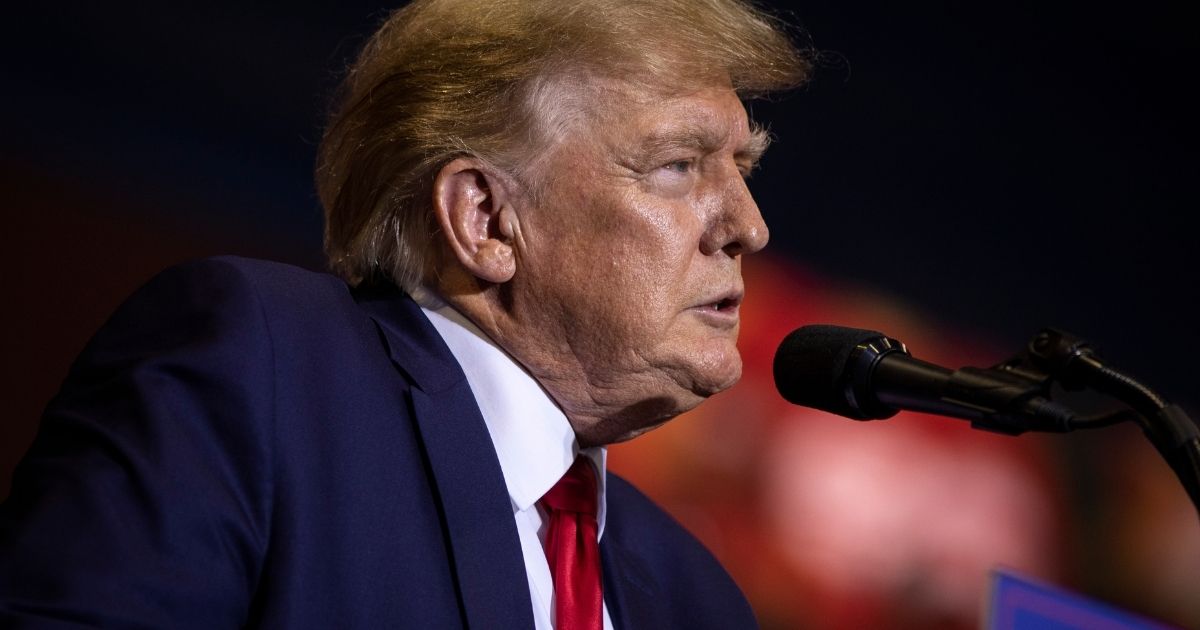
President Donald Trump just slammed the brakes on California’s green dream. On June 12, he signed three congressional resolutions in the White House East Room, dismantling Governor Gavin Newsom’s aggressive vehicle mandates. The move, cheered by industry leaders, signals a bold stand for American jobs and consumer freedom.
As reported by Fox News, Trump’s pen nullified California’s plans to ban new gas-powered vehicle sales by 2035, end diesel engine rules, and enforce zero-emission heavy-duty trucks. These resolutions, passed under the Congressional Review Act, reversed Biden-era EPA waivers that gave California outsized control over national auto standards. Newsom, predictably, vowed to fight back in court.
California’s 2020 executive order, signed by Newsom, demanded that all new passenger vehicles be zero-emission by 2035. The Biden administration’s EPA had greenlit this, along with strict diesel and heavy-duty truck rules, letting California dictate terms for 17 other states. Trump called it a “ridiculous plan” that ignored California’s energy woes.
Resolutions Crush California’s Green Agenda
One resolution axed the EPA’s waiver mandating 80% electric vehicles in California by 2035. Another killed the push for zero-emission heavy-duty trucks, while the third ended low-nitrogen oxide rules for off-road vehicles. Trump boasted these actions are “permanent” and immune to legal challenges.
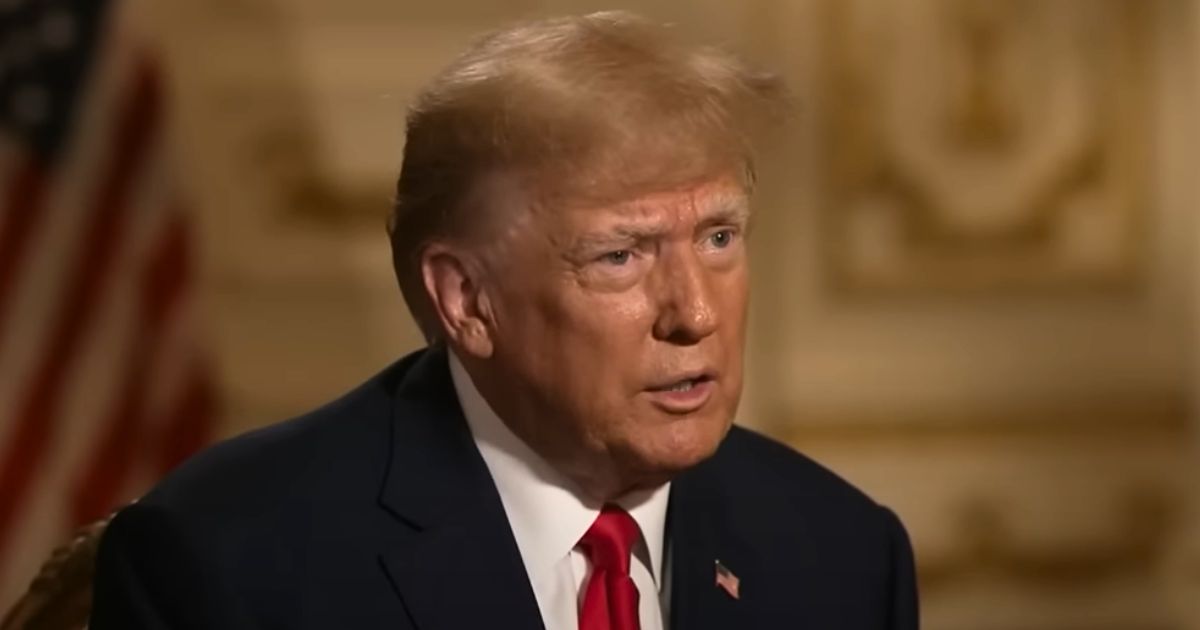
“They don’t have enough electricity right now,” Trump said, pointing to California’s blackouts and brownouts. He’s not wrong—how do you power an all-electric fleet when the grid’s already flickering? Newsom’s vision seems more like a fantasy than a plan.
Newsom, back in 2020, claimed his mandate was “the most impactful step” to fight climate change. “Cars shouldn’t make wildfires worse,” he said, tying tailpipes to California’s January 2025 blazes. But mandating EVs while the state’s power grid stumbles feels like putting the cart before the horse.
Industry Leaders Applaud Trump’s Move
Trump wasn’t alone in celebrating. Joined by House Speaker Mike Johnson, Transportation Secretary Sean Duffy, Energy Secretary Chris Wright, and EPA Chief Lee Zeldin, he framed the resolutions as a win for American workers. The American Petroleum Institute’s Mike Sommers called it a “major victory” for energy security.
The American Trucking Association’s Chris Spear didn’t mince words: “This is not the United States of California.” He praised Trump for ending rules that would’ve crushed businesses with “devastating economic consequences.” General Motors also tipped its hat, noting the alignment with “today’s market realities.”
Trump warned that California’s rules would’ve shipped auto jobs to China, gutting 200,000 American livelihoods. Seventeen states mimicking California’s standards amplified the threat, creating a de facto national mandate. The Congressional Review Act, Trump noted, ensures these resolutions stick.
Newsom’s Courtroom Counterattack Begins
Newsom didn’t waste time. On June 12, 2025, he filed a lawsuit, calling Trump’s actions “illegal” and an “assault on California.” Attorney General Rob Bonta echoed him, accusing Trump of “playing partisan games” with lives and jobs at stake.
“Trump’s destroying our clean air,” Newsom fumed, framing the resolutions as a blow to global competitiveness. But competitiveness doesn’t mean much when your state’s grid can’t keep the lights on. Actions, it turns out, have consequences.
Trump’s resolutions align with his 2024 campaign pledge to boost U.S. energy independence, from coal to Alaska’s oil reserves. California’s special EPA permissions, granted under Biden, let it punch above its weight on pollution standards. Trump’s move levels the playing field.
California’s Broader Struggles Surface
California’s not exactly a beacon of stability right now. Anti-ICE riots have rocked Los Angeles since June 6, 2025, sparked by federal immigration raids. Trump claimed his military intervention saved the city from “burning down,” a jab at Newsom’s leadership.
Wildfires in January 2025 further strained the state, yet Newsom tied his EV push to preventing such disasters. It’s a tough sell when your policies demand electricity that the state can’t reliably provide. The disconnect is glaring.
Trump’s resolutions mark a pivot back to pragmatism, prioritizing jobs and choice over ideological mandates. Newsom’s courtroom battle may drag on, but for now, the car industry—and American drivers—can breathe a little easier. California’s green grip, it seems, has been loosened.