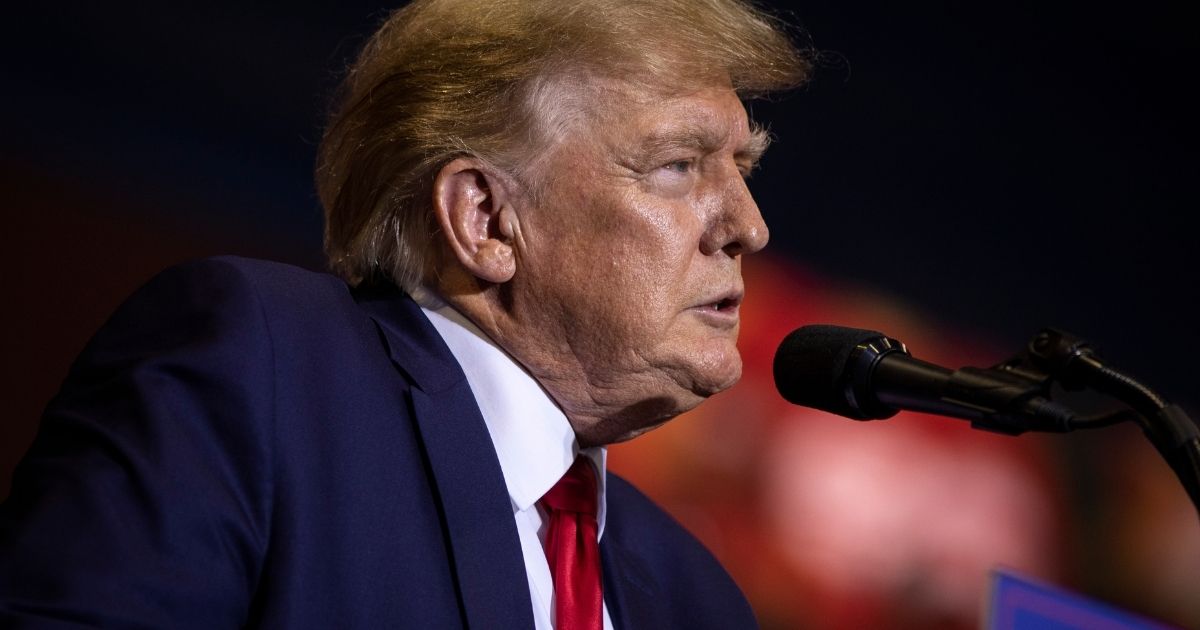
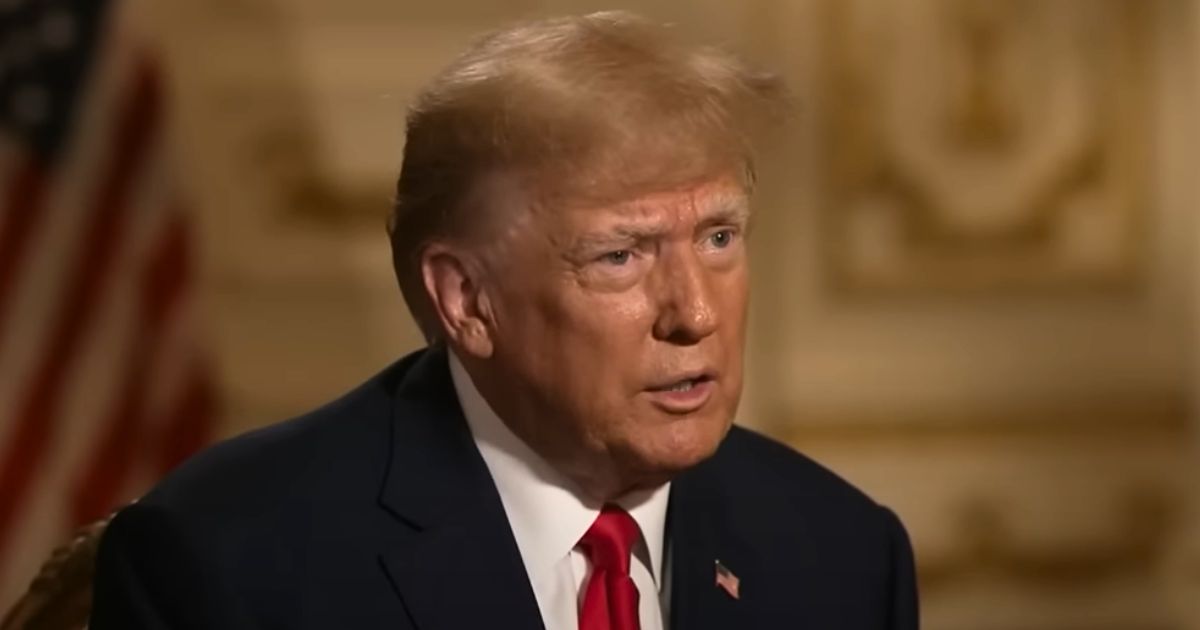
Trump hosts Netanyahu to push Gaza ceasefire
President Donald Trump is rolling up his sleeves to tackle one of the Middle East’s most persistent conflicts, hosting Israeli Prime Minister Benjamin Netanyahu at the White House next Monday.
This high-stakes meeting aims to push for a ceasefire and hostage deal in Gaza, a conflict that has dragged on with devastating consequences. As reported by AP News, Trump is intensifying pressure on both Israel and Hamas to end the fighting and secure the release of captives.
The visit marks Netanyahu’s third trip to the White House since Trump took office in January, signaling a renewed U.S. focus on Middle East stability. It follows America’s direct involvement in Israel’s tensions with Iran, where U.S. strikes on Iranian nuclear facilities led to a temporary truce. Now, Trump is shifting gears to address the Gaza crisis with the same vigor.
Trump’s Optimism for a Swift Ceasefire
Last Friday, Trump expressed confidence to reporters, stating, “We think within the next week we’re going to get a ceasefire” in Gaza. While he offered no specifics, this bold prediction suggests behind-the-scenes momentum that conservatives can appreciate as a no-nonsense approach to diplomacy. Let’s hope this isn’t just wishful thinking but a sign of real progress.
White House press secretary Karoline Leavitt reinforced this priority on Monday, noting constant communication with Israeli leaders. She added, “It’s heartbreaking to see the images that have come out from both Israel and Gaza throughout this war, and the president wants to see it end.” Her words strike a balance—acknowledging human suffering while avoiding the progressive tendency to over-empathize at the expense of decisive action.
Leavitt also emphasized Trump’s goal to “save lives,” a reminder that conservative leadership often prioritizes tangible outcomes over endless debate. This isn’t about scoring political points; it’s about stopping a conflict that has cost too much on both sides. That’s a mission worth supporting, even if the path remains murky.
Sticking Points in Gaza Negotiations
Israeli Minister for Strategic Affairs Ron Dermer is already in Washington this week, engaging with senior U.S. officials on Gaza, Iran, and other pressing issues. These preliminary talks underscore the complexity of brokering peace when core disagreements persist. One major hurdle: whether the war must end as part of any ceasefire deal.
Negotiations between Israel and Hamas have repeatedly stalled over this fundamental issue, leaving about 50 hostages still captive in Gaza. Tragically, fewer than half are believed to be alive, a grim statistic that should focus minds on both sides. This isn’t a time for ideological posturing but for pragmatic solutions.
With Netanyahu’s arrival, Trump will likely lean hard on the Israeli leader to compromise while also navigating domestic skepticism from Democratic lawmakers about U.S. military actions against Iran. These critics often miss the bigger picture—security isn’t a partisan game. Trump’s willingness to embrace Netanyahu publicly sends a clear signal of unwavering support for an ally.
Iran Strikes and Nuclear Concerns
On the Iran front, a U.S. Defense Intelligence Agency preliminary report revealed significant damage to key nuclear sites at Fordo, Natanz, and Isfahan from recent strikes. However, the facilities weren’t completely destroyed, leaving room for concern. This half-measure outcome frustrates those of us who value a strong deterrent against rogue regimes.
Rafael Grossi, head of the International Atomic Energy Agency, confirmed on CBS’ “Face the Nation” that these sites suffered major losses in uranium treatment and enrichment capabilities. Yet, he cautioned, “some is still standing,” and Iran could restart if they choose. Grossi’s point about needing inspector access to fully assess damage highlights why trust in Tehran is a fool’s errand.
Trump’s broader Middle East strategy also includes a controversial foray into Israeli domestic politics, urging dismissal of corruption charges against Netanyahu. Labeling the trial a “WITCH HUNT,” Trump vowed U.S. support to “save” the prime minister, a move that has rattled some in Israel’s political sphere. While meddling in allies’ internal affairs raises eyebrows, it’s hard to ignore the parallel to Trump’s own legal battles—potentially a genuine point of solidarity.
New Arms Deal Bolsters Israel’s Defense
Adding to the U.S.-Israel partnership, the Trump administration approved a $510 million arms sale to Israel on Monday, supplying over 7,000 guidance kits for precision munitions known as JDAMs. Though small compared to the annual $3 billion in military aid, these kits are vital for Israel’s operations in Gaza and against Iran. This move reaffirms a commitment to Israel’s self-defense, a cornerstone of conservative foreign policy.
The State Department justified the sale, stating, “The United States is committed to the security of Israel, and it is vital to U.S. national interests to assist Israel to develop and maintain a strong and ready self-defense capability.” That’s a refreshing dose of clarity in an era where progressive voices often equivocate on supporting allies. Israel’s reliance on such weaponry in ongoing conflicts only underscores the necessity of this deal.
As Trump and Netanyahu prepare to meet, the stakes couldn’t be higher for Gaza, hostages, and regional stability. While challenges like Iran’s nuclear ambitions and stalled ceasefire talks loom large, this administration’s focus on action over rhetoric offers a flicker of hope. Let’s watch closely—real leadership means cutting through the noise to deliver results.