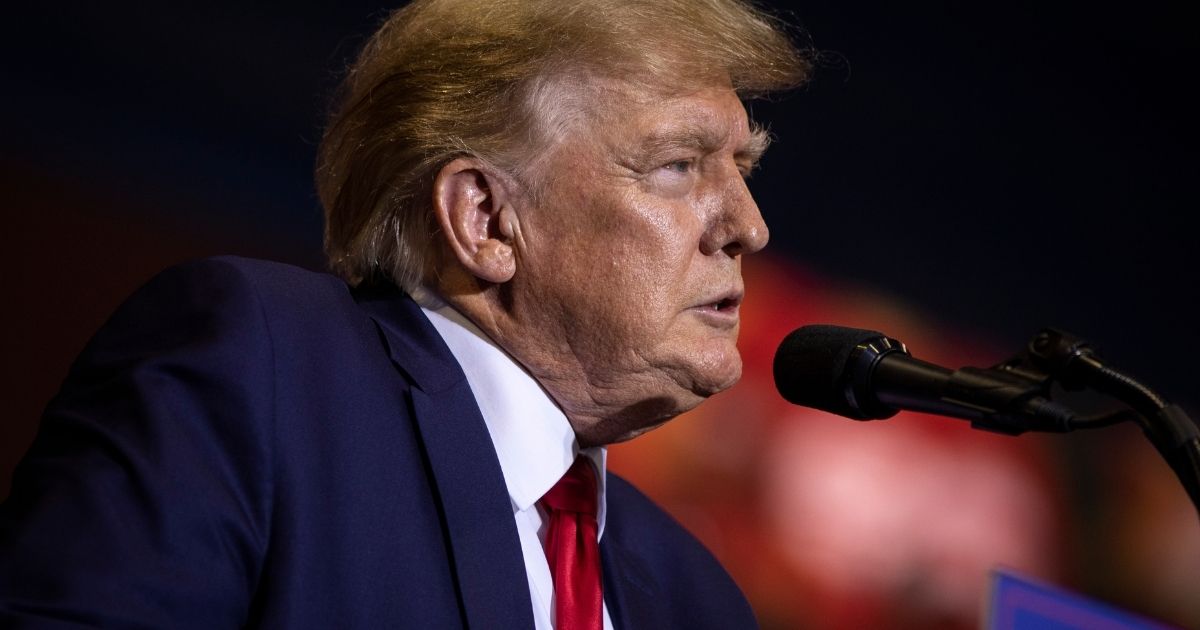
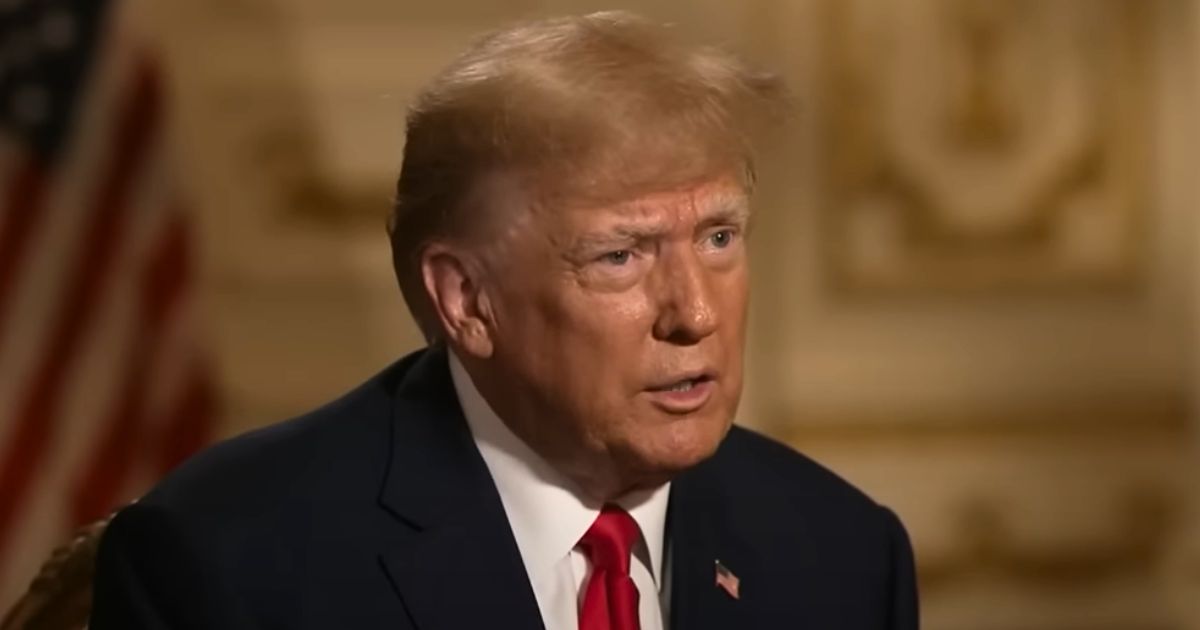
Trump secures NATO pledge for fairer defense spending
President Trump confronted European allies this week at the NATO summit in The Hague, forcing a long-overdue reckoning on decades of defense spending imbalances.
According to The Western Journal, NATO Secretary General Mark Rutte admitted that the United States “carried too much of the burden” and vowed to correct the imbalance today.
His arrival underscored a strategy to realign American foreign policy around fiscal fairness and shared responsibility, challenging allies to match U.S. investments in collective security. His approach reflects a philosophy that allies must earn America’s security rather than assume it as a given.
Acknowledging the U.S. Burden
In a blunt address to more than three dozen heads of state, Rutte declared, “For too long, one ally-the United States—carried too much of the burden of that commitment.” Conservative voices have applauded this candid recognition as overdue validation of long-standing criticisms.
The secretary general laid out a concrete plan requiring every member to devote five percent of gross domestic product to defense spending, up from current levels that leave the alliance exposed and dependent on U.S. taxpayers. Contributing more will also incentivize modernization of armed forces across the continent, experts argue.
He emphasized that funds would target core military capabilities, joint exercises, and security infrastructure, ensuring that European capitals invest in deterrence rather than relying on America’s armed forces. That shift aims to reduce reliance on U.S. troops and rebuild European defense industries.
Trump’s Influence on Allies
Rutte directly credited Trump’s insistence, noting that European allies have contributed an additional trillion dollars in defense outlays since 2016 under U.S. pressure. This windfall underscores the tangible impact of uncompromising American leadership on collective security budgeting.
“President Trump, dear Donald, you made this change possible,” the secretary general said, underscoring the impact of sustained American leadership on boosting allied commitments.
He projected that summit agreements would generate trillions more in joint spending, funding advanced weaponry and infrastructure upgrades that have languished under piecemeal contributions. Critics warn, however, that lofty spending targets require accountability mechanisms to ensure funds bolster true readiness.
Alliance’s Founding Purpose Revisited
Founded in 1949 to deter Soviet expansion, NATO lost its defining adversary with the Soviet Union’s collapse in 1991, prompting a search for renewed relevance amid changing threats. It also raises questions about NATO’s mission as it adapts to threats from state and nonstate actors alike.
For decades, many European members built generous welfare states under the protective shield of U.S. forces, a disparity that presidents from both parties have long lamented but struggled to alter. Despite repeated calls for fair burden sharing, many EU governments have resisted increases amid competing domestic priorities.
Vice President J.D. Vance has gone further by accusing some European governments of veering toward censorship and other measures that clash with the alliance’s democratic ideals, raising doubts about shared values. Such ideological shifts among key members intensify debate over NATO’s role defending liberal democratic norms.
Outlook for Transatlantic Unity
By insisting on equitable cost sharing, the summit delivered the bare minimum to preserve NATO unity while signaling that American patience for free-riding has limits. Americans watching expect these commitments to translate into lasting policy rather than empty summit rhetoric.
Trump’s recent unilateral actions—from striking Iran’s nuclear facilities to brokering a ceasefire in the Middle East—demonstrate his willingness to act when allies hesitate, reinforcing his America-first doctrine. His willingness to act without allied consensus frustrates critics but resonates with those prioritizing national interest over collective indecision.
As European capitals adjust budgets to meet new defense targets, the alliance will face a critical test of whether fairer spending fosters genuine cooperation or merely rearranges old imbalances. The coming months will test whether Europe’s new investments reshape the alliance’s strategic balance or simply redistribute old burdens.