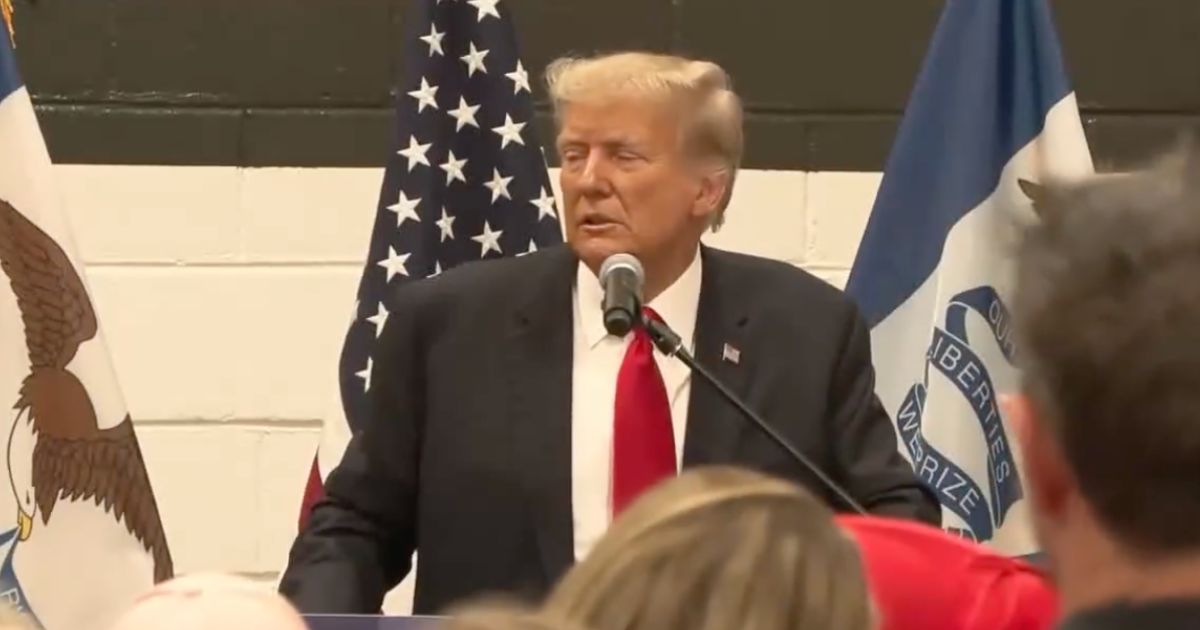
Trump's startling aspirin admission amid health scrutiny and visible aging
Donald Trump, at 79, has thrown a curveball into the ongoing debate about his fitness for office with a candid admission about his health habits.
The president confessed to taking a hefty 325-milligram dose of aspirin daily, far exceeding what his doctors advise, as reported by the Daily Mail. He’s been at this for 25 years, shrugging off medical guidance with a quip about superstition.
Trump told the Wall Street Journal, “They say aspirin is good for thinning out the blood, and I don’t want thick blood pouring through my heart.” If thin blood is the goal, he’s overachieving, but at the cost of easy bruising and risks like internal bleeding that doctors warn about for older patients.
Visible Signs and Stubborn Choices
Photographs often capture Trump’s hands smeared with concealer, a clumsy attempt to hide bruises that White House Press Secretary Karoline Leavitt attributes to frequent handshakes. The makeup, often mismatched to his skin tone, draws as much attention as the marks it’s meant to cover.
His doctors push for a safer 81-milligram dose, but Trump leans on what he calls his “good genetics” to justify ignoring them. This defiance isn’t just a health quirk; it’s a signal of how he handles criticism, dismissing expert input with personal instinct.
Beyond aspirin, Trump’s health raises other flags, like a brief stint wearing compression socks for swollen ankles, which he ditched simply because he didn’t like them. Aides also report having to shout in meetings due to his declining hearing, though he flatly denies any such struggle.
Public Image Under the Microscope
Trump’s physical condition has become a public puzzle, with images showing him dozing off during White House events, despite his insistence that he’s never fallen asleep on the job. He claims to thrive on minimal rest, a habit he says has always defined him.
Then there’s the diet, heavy on fast food like McDonald’s and washed down with Diet Coke, summoned by a notorious red button in the Oval Office. Physical activity seems limited to golf, hardly a counterbalance to a sodium-laden lifestyle.
Even small incidents amplify the scrutiny, like when Attorney General Pam Bondi’s ring nicked his hand during a high-five at the Republican National Convention, causing bleeding he still mentions to aides. Such fragility in his skin, worsened by aspirin, keeps health concerns front and center.
Regrets and Resistance to Testing
Trump also voiced regret over undergoing advanced imaging at Walter Reed Medical Center, lamenting the extra attention it drew. “In retrospect, it’s too bad I took it because it gave them a little ammunition,” he admitted, frustrated that the scans fueled speculation rather than silenced it.
He believes avoiding the cardiovascular and abdominal scans would have kept critics at bay, arguing that taking the tests implied something might be wrong. Yet, his reluctance to face further medical transparency only stokes more questions about what he’s unwilling to reveal.
Health has haunted recent presidencies, with Joe Biden facing relentless critique over his mental sharpness before leaving office at 82. Trump, who could surpass that age by the end of his term, now navigates the same harsh spotlight with a mix of denial and bravado.
Defiance in the Face of Aging
People close to Trump note visible signs of aging, both in private and public settings, yet he pushes back against any narrative of decline. He maintains a grueling schedule on little sleep, projecting an image of relentless energy even as photographs tell a different story.
His history of downplaying health issues, from a past COVID-19 diagnosis to a colonoscopy, shows a pattern of guarding his image above all else. Transparency takes a backseat when even minor conditions could be spun into political liabilities.
Ultimately, Trump’s aspirin habit and health choices reflect a broader stance of resisting conventional wisdom, whether from doctors or detractors. As he charts his path as the oldest serving president by term’s end, the balance between personal conviction and public concern remains a tightrope he’s determined to walk.