Two Virginia residents sue to block UFC Freedom 250 on the White House South Lawn
Two Virginia residents have filed a federal lawsuit against the National Park Service and the Department of the Interior, seeking an emergency injunction to stop UFC Freedom 250 from taking place on the White House South Lawn on June 14. The suit alleges organizers bypassed federal permitting rules, skipped required environmental reviews, and created conflict-of-interest problems that should halt the event before a single punch is thrown.
The White House has pushed back, calling the lawsuit an attempt to derail a properly permitted celebration. UFC has not publicly commented.
What we have, then, is a familiar pattern: private citizens and sympathetic lawyers racing to a federal courthouse to block a high-profile event tied to President Donald Trump. The legal arguments center on permitting and environmental review. But the timing and the target tell their own story.
What the lawsuit claims
The complaint, as Fox News reported, argues that the White House South Lawn and nearby federal property are subject to strict rules that generally prohibit commercial structures and private sporting events without environmental review and congressional approval. The plaintiffs say organizers ignored those rules.
Their central contention: UFC Freedom 250 is not a government-run celebration of America's 250th birthday. It is, the filing argues, a private, for-profit sporting event involving the UFC, broadcasters, sponsors, and advertisers. The court filings go further, claiming the event "has less to do with commemorating American independence and more with promoting the UFC brand and celebrating Trump's 80th birthday."
That framing is the plaintiffs' characterization, not established fact. Organizers have reportedly relied on a special exemption tied to America's 250th anniversary celebrations to secure the necessary approvals. The specific exemption and the agency that granted it remain unclear from available filings.
The lawsuit also raises conflict-of-interest allegations. It claims the event could financially benefit President Trump and several associates, including UFC CEO Dana White and Paramount-Skydance CEO David Ellison. The complaint points to Trump's reported purchase of up to $50,000 worth of stock in TKO Group Holdings, the publicly traded parent company of the UFC.
A $50,000 stock position is modest by any standard, particularly for a president whose net worth has been publicly estimated in the billions. Whether that holding rises to the level of a disqualifying conflict under any applicable statute is a legal question the complaint raises but does not resolve.
Construction already underway
The lawsuit arrives after significant preparation has already taken place. President Trump met with UFC fighters Ilia Topuria, Justin Gaethje, and Ciryl Gane in the Oval Office on May 6, 2026, to discuss the event. The UFC Freedom 250 championship belt was displayed inside the Oval Office that same day.
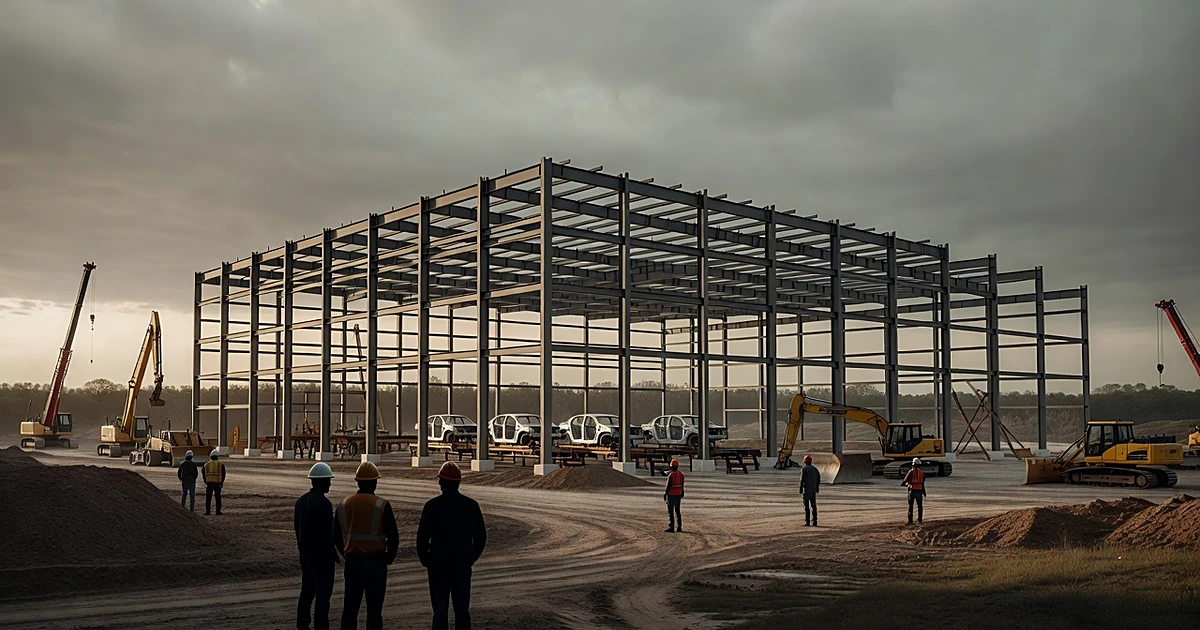
By May 26, construction was continuing on the South Lawn ahead of the event. Reports have referenced 85,000 free tickets and estimated costs that could run upward of $60 million. The scale of the production is substantial, and tearing it down two weeks before fight night would carry its own costs, logistical and otherwise.
This is not the first time courts have been asked to intervene in Trump administration decisions about the White House grounds. A D.C. appeals court recently signaled skepticism toward the administration's authority over a proposed White House ballroom project, and that legal fight has drawn its own political attention.
A pattern of judicial resistance
The UFC lawsuit fits into a broader trend of federal courts being used as a check, or, depending on your perspective, a roadblock, against Trump administration actions. Courts have intervened on everything from military personnel policy to federal property decisions during this term.
Trump himself has not been shy about pushing back. He has called the court system "rigged" after judges blocked the Kennedy Center renaming and struck down tariffs. Whether one views that as presidential frustration or a legitimate critique of judicial overreach depends on where you sit.
The plaintiffs in the UFC case are two Virginia residents whose names have not been made public in available reporting. The specific federal court where the suit was filed, the case number, and any scheduled hearing date for the emergency injunction request are also unclear. Those details matter. An emergency injunction requires a showing of irreparable harm and likelihood of success on the merits, a high bar, particularly when the government has asserted that proper permits are in place.
Meanwhile, congressional Republicans have pushed forward with their own plans for White House infrastructure, including a $400 million secure ballroom proposal. The broader question of what can and cannot happen on federal property near the executive mansion is clearly a live legal and political issue.
The real question behind the filing
Strip away the legal jargon, and the core dispute is straightforward. Can the president host a major sporting event on the White House South Lawn to mark America's 250th anniversary? Or do federal permitting and environmental-review requirements give opponents a procedural lever to stop it?
The plaintiffs frame the event as a commercial venture dressed up in patriotic clothing. The White House frames it as a properly permitted national celebration. Both sides have obvious incentives. The plaintiffs get to tie up a Trump-branded spectacle in court. The administration gets to stage a massive, televised event on the most iconic lawn in America.
The conflict-of-interest angle is the weakest part of the complaint on its face. The lawsuit points to Trump's reported stock purchase of up to $50,000 in TKO Group Holdings and alleges financial benefit to Dana White and David Ellison. But hosting an event on federal property that might indirectly benefit people the president knows is a far cry from the kind of self-dealing that typically triggers judicial intervention. If that standard were applied broadly, most presidential events involving private-sector partners would face legal exposure.
The environmental-review argument carries more procedural weight, at least in theory. Federal property is subject to the National Environmental Policy Act and related regulations. Whether a temporary sporting event triggers full environmental review, or whether the 250th anniversary exemption covers it, is a question the court will have to sort out.
The event is not without its share of broader controversy. Artists have bailed on the official America's 250th birthday concert, and Trump has floated holding a rally instead. The cultural and political fault lines around the nation's semiquincentennial are real, and UFC Freedom 250 sits squarely on one side of them.
What happens next
With June 14 approaching fast, the timeline for judicial action is tight. An emergency injunction would need to be heard and decided within days for it to have any practical effect. Construction is already underway. Tickets have been distributed. Fighters have met with the president in the Oval Office.
If a federal judge grants the injunction, it would mark one of the more unusual judicial interventions in recent memory, a court halting a sporting event on the White House lawn weeks before it was set to begin. If the judge denies it, the lawsuit becomes a footnote, and the octagon goes up as planned.
The White House says the permits are in order. The plaintiffs say they aren't. Somewhere in between, a federal judge will decide whether two Virginia residents and their lawyers can do what no opponent in the octagon has managed: stop a fight before it starts.
In America, you can always find someone willing to sue. The question is whether the courts will let a last-minute filing undo months of planning for a national celebration, or whether this is just one more attempt to use the judiciary as a veto over anything with Trump's name on it.