U.S. aids Israel in thwarting Iran's missile assault
Iran’s ballistic missiles rained down on Israel, but America’s military might stood firm. On October 4, 2024, U.S. forces joined Israel to swat away a barrage of projectiles launched in retaliation for Israeli strikes on Iran’s nuclear sites and military brass. The display of unity underscored a commitment to regional stability, even as progressive voices might decry the intervention as escalatory.
As reported by Breitbart, U.S. air defenses and naval power teamed up with Israel to counter Iran’s missile onslaught. American Patriot and Terminal High Altitude systems locked onto targets, while the USS Thomas Hudner, a Navy destroyer, fired interceptors from the eastern Mediterranean. This wasn’t just a flex—it was a calculated move to protect allies and U.S. interests.
Iran’s attack came after Israel hit its nuclear facilities and top commanders, a bold strike that Tehran couldn’t ignore. The missile barrages were meant to send a message, but with U.S. help, most were neutralized. Critics on the left might call this meddling, yet it’s hard to argue with defending a sovereign ally under fire.
Naval Power in Action
The USS Thomas Hudner sailed from the western Mediterranean to the eastern front, ready for action. It didn’t disappoint, knocking out Iranian missiles with precision. This destroyer’s role highlights why a strong Navy matters, despite budget hawks on both sides grumbling about costs.
A second U.S. destroyer was positioned on standby, awaiting White House orders. Meanwhile, the USS Carl Vinson, the region’s lone aircraft carrier, loomed in the Arabian Sea. These moves signal readiness, not recklessness, countering narratives that paint U.S. involvement as imperialist overreach.
American fighter jets patrolled Middle Eastern skies, safeguarding U.S. personnel and bases. Air bases tightened security, a prudent step given Iran’s aggressive posturing. The woke crowd might sneer at “militarization,” but protecting our troops isn’t up for debate.
Strategic Surge in Forces
About 40,000 U.S. troops were stationed in the Middle East, a step up from the usual 30,000. This surge, which hit 43,000 in October 2023, was a response to earlier tensions, including Hamas’ October 7, 2023, attacks on Israel. It’s a reminder that strength deters chaos, no matter what pacifists preach.
Military dependents had already started leaving regional bases as a precaution. This quiet evacuation, underway for days, showed foresight in a volatile region. Critics might call it alarmist, but better safe than sorry when Iran’s missiles are flying.
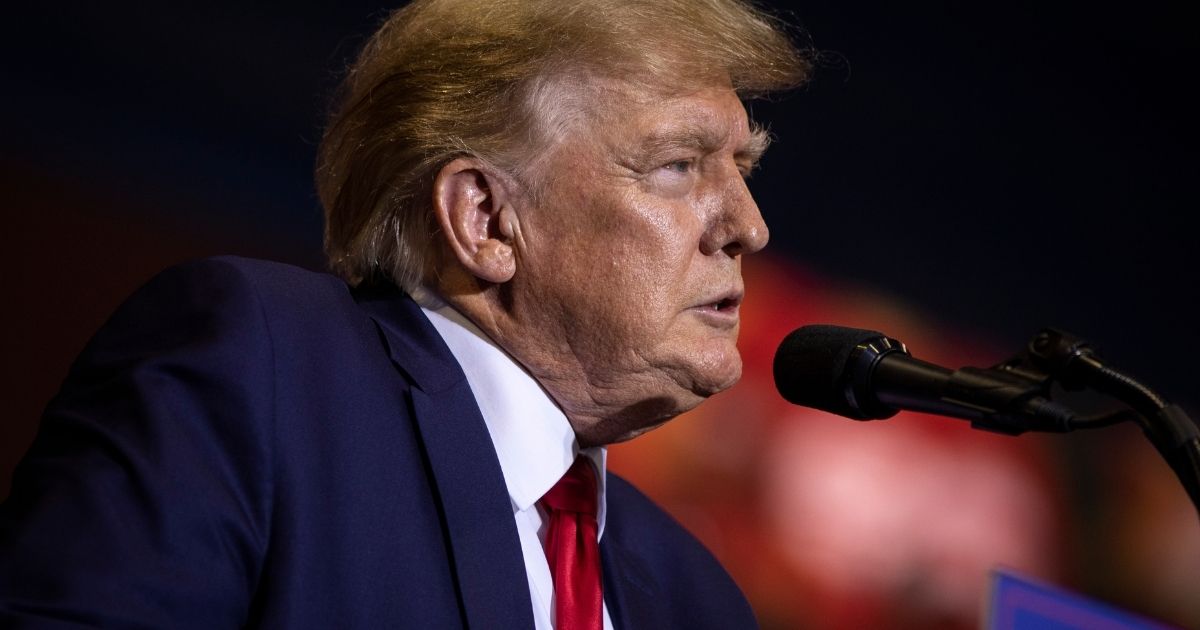
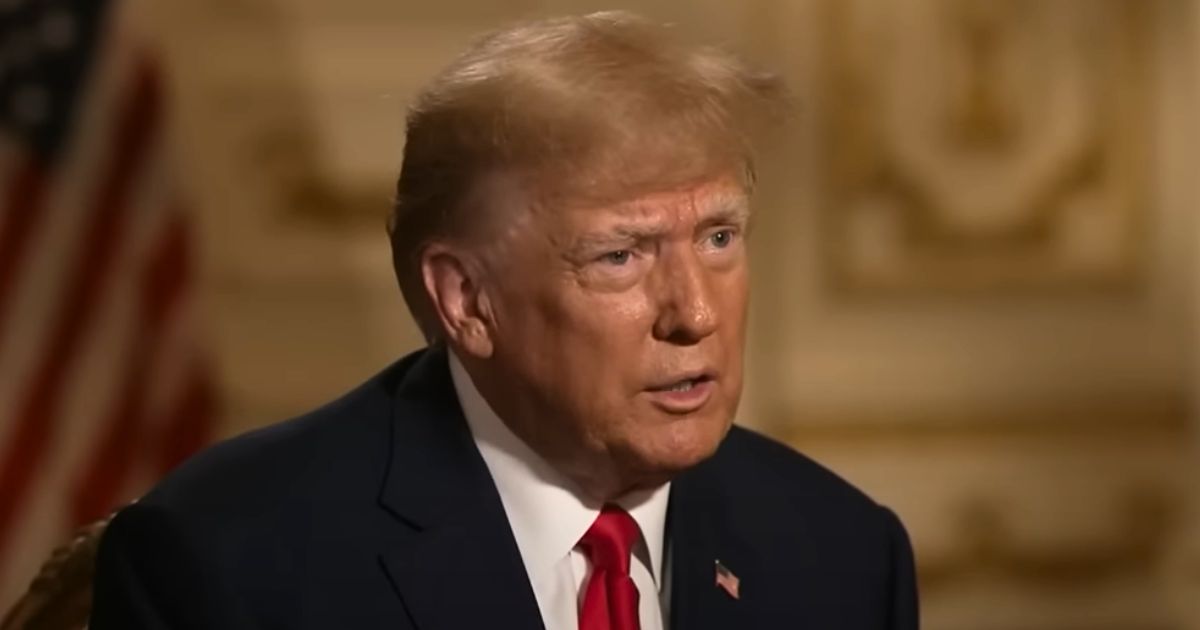
President Trump huddled with his National Security Council on October 4, 2024, weighing next steps. The meeting reflected a hands-on approach, prioritizing American interests over diplomatic niceties. Contrast that with the endless committees favored by globalist elites, and it’s clear who’s serious about security.
Lessons from Past Engagements
Just days earlier, on October 1, 2024, U.S. destroyers fired a dozen interceptors to shield Israel from over 200 Iranian missiles. That earlier clash set the stage for October 4’s larger operation. It’s proof that consistent strength, not sporadic gestures, keeps adversaries in check.
The USS Nimitz, stationed in the Indo-Pacific, and the USS George Washington, departing Japan, stood ready to pivot to the Middle East if needed. This flexibility showcases America’s global reach, a capability that progressives often undervalue in their push for “diplomacy first.”
Former President Biden’s decision to surge ships after the 2023 Hamas attacks laid the groundwork for today’s response. Credit where it’s due—those moves deterred Hezbollah and Iran then, just as today’s actions curb Tehran’s ambitions. Still, let’s not pretend Biden’s team would match Trump’s resolve now.
A Unified Front
U.S. and Israeli forces worked seamlessly, a partnership forged through decades of shared threats. The Patriot and THAAD systems, paired with naval and air assets, turned Iran’s barrage into a fireworks show with no casualties. This isn’t warmongering—it’s competence under pressure.
Iran’s missile launches were a desperate bid to save face after Israel’s strikes. Yet, with America’s help, the attack fizzled, exposing Tehran’s limits. The left might cry “escalation,” but enabling a tyrant’s tantrum isn’t peace—it’s surrender.
This operation proves America’s military remains a force for good despite naysayers who’d rather apologize than act. From destroyers to fighter jets, the U.S. showed Iran that aggression won’t go unanswered. Let’s keep that strength, not dilute it with woke platitudes about “de-escalation.”