Supreme Court rejects Trump push to restrict mail ballots before midterm elections
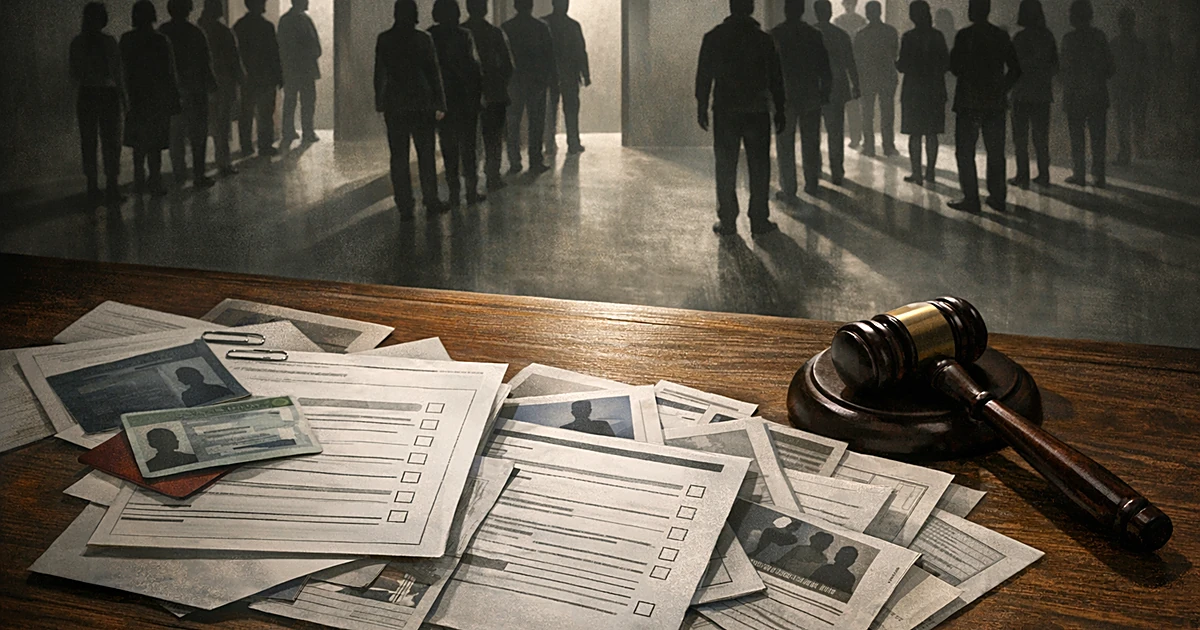
The Supreme Court on Monday blocked the Trump administration's emergency bid to overhaul mail-in voting rules before the midterms, a setback that leaves existing ballot processes intact as three states had already begun mailing ballots to voters.
The court's brief emergency order offered little explanation but delivered a clear result: the administration's plan to require states to adopt a uniform envelope style and submit voter eligibility lists to an online portal will not take effect before the pivotal November contests for control of Congress. The majority wrote that the administration's push to implement the restrictions this year is likely to lose in court.
Only two justices, Samuel Alito and Clarence Thomas, publicly dissented. Justice Brett Kavanaugh sided with the majority on timing but left the door open, signaling he might rule in the administration's favor if the legal question returns to the court later. That split puts the administration's long-term strategy on uncertain ground even as it won no relief for the current election cycle.
Alabama, North Carolina, and Wisconsin already had ballots in the mail
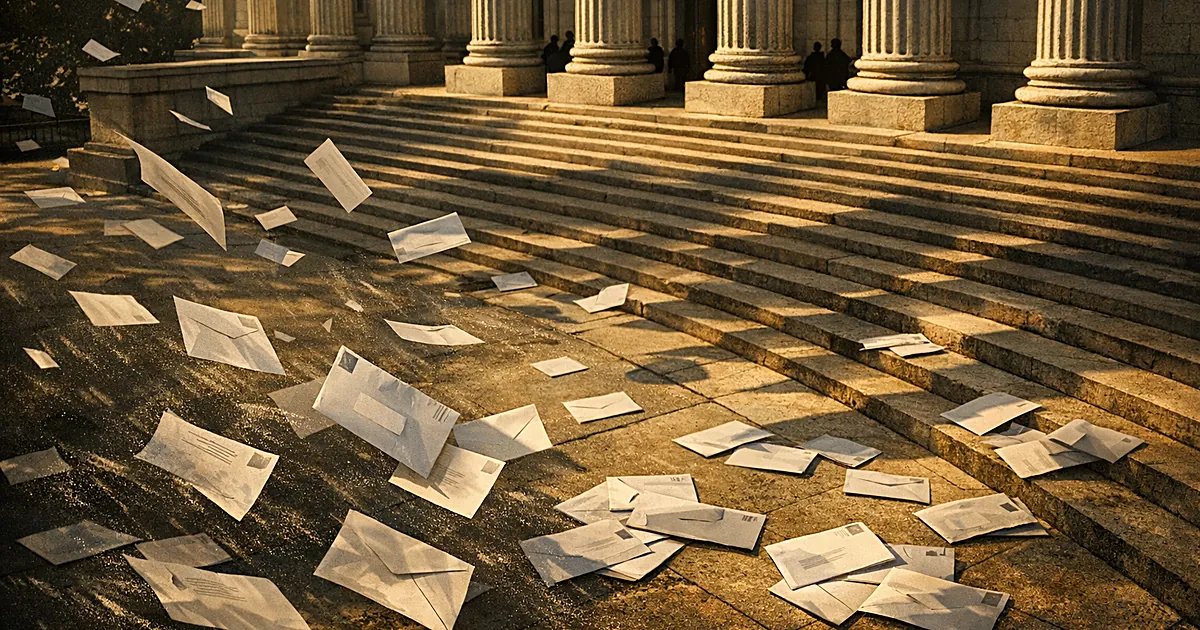
The ruling landed after Alabama, North Carolina, and Wisconsin had already begun sending mail ballots to voters over the past week. The new system was not yet active, and election officials warned there was simply no way to carry out a complete overhaul in the weeks before the midterms.
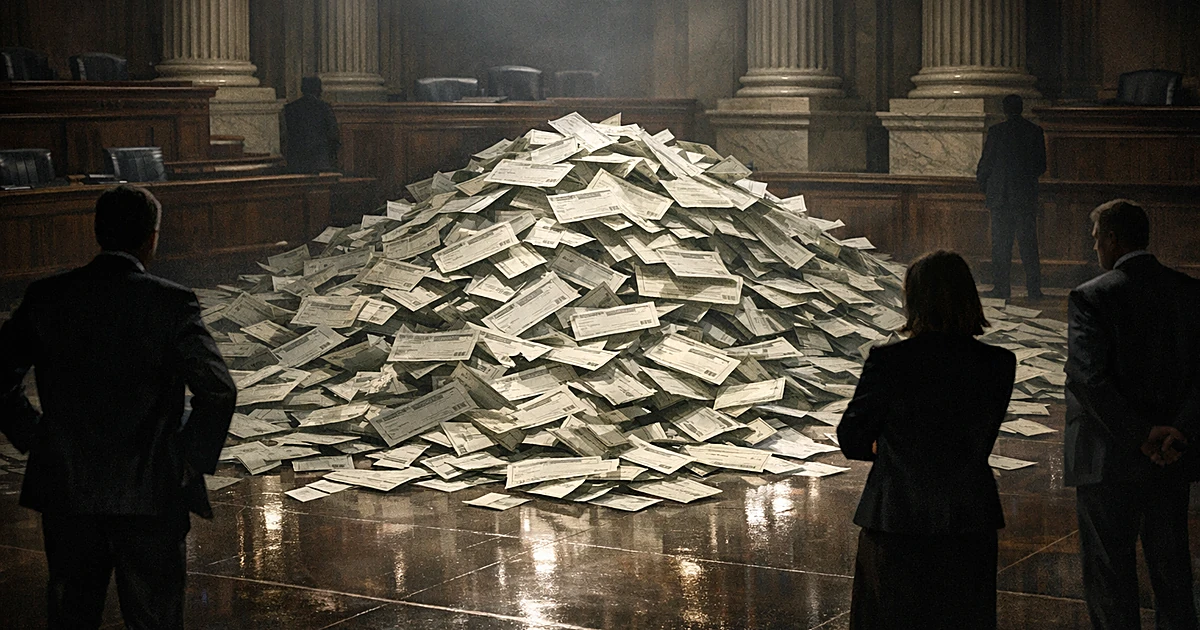
Mail ballots have accounted for nearly a third of votes cast in recent elections, a volume that makes any last-minute procedural change a logistical headache for state and local officials responsible for printing, distributing, and processing millions of envelopes.
The administration's proposal would have given the Postal Service authority to refuse to deliver ballots to states that did not comply with the new requirements. President Trump has consistently framed the restrictions as vital to ensuring election integrity, a position that resonates with voters concerned about the security of mail-in voting but that courts have so far declined to enforce on an emergency timeline.
The Trump administration had previously brought emergency appeals to the Supreme Court over the same mail-in ballot restrictions, underscoring how central the issue is to the White House's election-integrity agenda.
Alito argued the Postal Service already holds the authority
In his dissent, Justice Alito wrote that the Postal Service "has broad authority to regulate the mail" and that the agency likely does have the power to enforce the restrictions the Trump administration proposed. That argument rests on the federal government's long-standing control over mail operations, a legal theory the majority was unwilling to validate on an emergency basis.
Justice Thomas joined Alito's dissent but did not issue a separate written opinion, the Associated Press reported.
Kavanaugh's concurrence adds a wrinkle. He agreed the restrictions should not take effect for the midterms but indicated he might side with the administration if the issue comes back in a future term. That distinction matters: it suggests the legal question is not dead, only delayed. A future case with a longer runway could produce a different outcome.
The court's willingness to block the administration on this timeline echoes other recent moments when the justices have divided in ways that frustrated conservative expectations. The pattern raises a question that Republican voters have asked before: whether a court with a nominal conservative majority will consistently back the policies those voters elected a president to pursue.
Election integrity versus election logistics
The core tension in this fight is not new. The administration says uniform standards and a centralized eligibility portal would make mail voting harder to exploit. Election officials on the ground say switching systems weeks before ballots go out would create chaos, not security.
Both arguments have weight, but courts have consistently sided with the practical objection when the timeline is short. The majority's order Monday followed that pattern. The justices did not say the administration's policy is illegal. They said it cannot be imposed this fast.
That distinction is important for what comes next. The administration can bring the case back with a longer implementation window. Kavanaugh's concurrence all but invited it. And the court has shown in other recent rulings, including decisions where it backed the administration on immigration policy, that it is not reflexively hostile to the White House's legal positions.
Still, the result on the ground is plain. States will run their mail-ballot operations for the midterms the same way they have been running them. No new envelope requirements. No online eligibility portal. No Postal Service refusals.
For voters who want tighter controls on mail-in voting, the ruling is a delay, not a defeat, but delays have a way of becoming permanent when political will fades or court compositions shift. Democrats, meanwhile, have fought their own battles over the court's structure and will treat Monday's order as validation of the status quo.
Open questions the court left unanswered
The emergency order did not detail its reasoning, which means the legal landscape remains murky. The majority offered no guidance on whether the Postal Service actually possesses the statutory authority the administration claims. It did not address which constitutional provisions or statutes the administration invoked. And it did not identify what standard the restrictions would need to meet to survive a full legal challenge.
Those gaps leave the administration without a roadmap, and leave states without certainty about what future elections might look like.
The case also raises a practical question no one in Washington has answered clearly: if nearly a third of all votes are cast by mail, what does a secure, standardized system actually look like, and how much lead time does it need? The administration proposed an answer. The court said "not now." Nobody has said "here's how."
When the government asks for more accountability in how ballots reach voters and the courts keep saying the timing is wrong, at some point the timing has to be right, or the question never gets answered at all.