Brian Terry journal details AK-47 surveillance before Fast and Furious killing
Brian Terry’s journal placed him on the trail of AK-47 smuggling before his Fast and Furious death, while his family still seeks fuller answers.
Just the News obtained excerpts showing the Border Patrol agent tracking a silver SUV, weapons and possible smuggling shortly before he was shot.
The notes matter because guns tied to Operation Fast and Furious were used in the incident that killed Terry. His family says the journal may reveal what he knew before his death.
One page, dated Nov. 2, contained the words “AK-47 in crate.” Terry also wrote that he had informed the FBI about his finding.
Another page, dated Nov. 16, described nighttime surveillance. Terry wrote that he wanted to “confirm or deny wpns smuggling.”
November entries put AK-47s and surveillance on Terry’s page
Kent Terry, Brian’s brother, believes the Nov. 2 entry came from 2010. The year of the Nov. 16 entry was not identified.
The journal also included the unfinished phrase “Determine how wpns are...” A final page described weapons moving from Honduras through Guatemala and into Mexico.
Another passage discussed seeking an interdiction “to reduce arms/criminal org” for the Sinaloa cartel. The notes do not explain whether Terry was following a formal assignment or pursuing his own concerns.
Kent has not claimed to know exactly what his brother had uncovered. He said, “We don’t know exactly why Brian wrote those things. We don’t know if he was onto something or knew about something.”
He added, “That’s the question we’re trying to figure out, or if he knew about it and he didn’t know the depth of it.”
Family says journal was hidden inside new tactical boots
Kent said the family found the journal about one year after Brian’s death. It was taped inside the toe of a new pair of tactical boots.
“We just thought it was kind of odd that we found it in a pair of tactical boots, a brand new box of tactical boots,” Kent said.
The family’s account raises questions, but it does not identify who placed the journal there. No agency confirmation of the journal’s authenticity was included.
Kent also said Border Patrol initially prevented Brian’s father from entering the agent’s house. The family later gained access and removed Brian’s possessions.
After Brian’s father told then-U.S. Attorney Dennis Burke about the journal, Kent said the house appeared “ransacked.” Burke did not respond to an inquiry from Just the News.
Kent further claimed that Brian’s laptop would no longer start normally. “Not even the Hewlett Packard icon would show up,” he said.
He said screws were missing from the back of the computer. The family has not identified who may have handled it or when any damage occurred.
Fast and Furious put government gun tracking above public safety
Operation Fast and Furious began in September 2009 under the ATF and the Obama administration, Just the News reported. The operation allowed illegal weapons to reach suspected cartel suppliers.
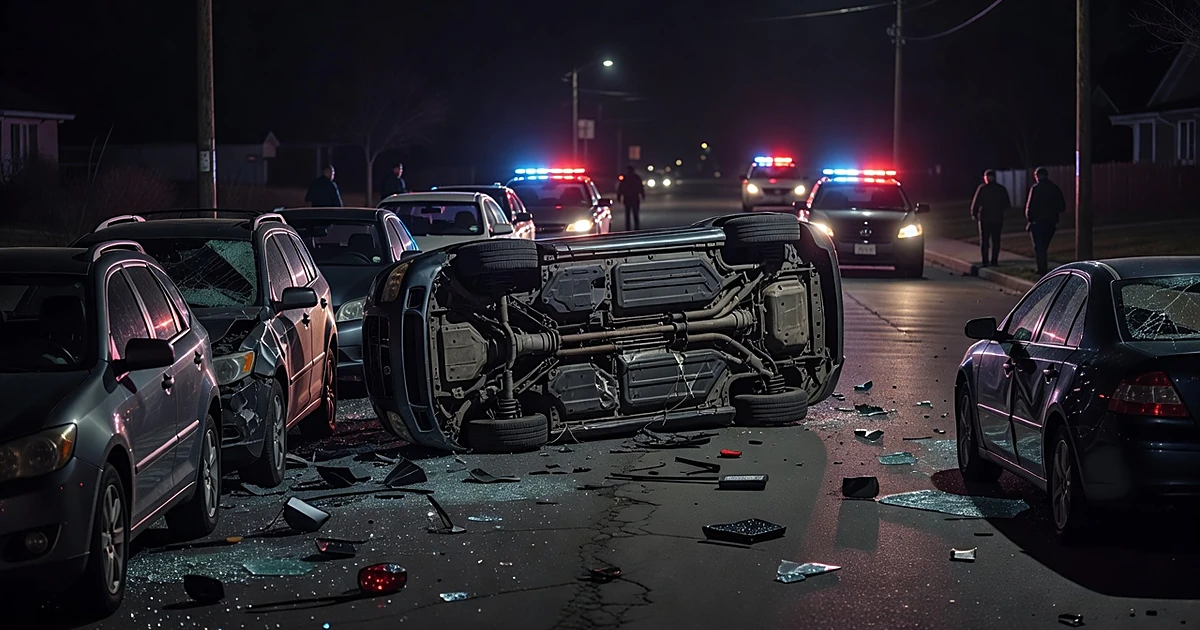
Authorities intended to track where those guns went. Instead, weapons from the operation were used in the encounter that ended with Terry’s death.
Obama later denied knowing about Fast and Furious. Coverage of his recent podcast appearance may draw current political interest, but Terry’s journal returns attention to his administration’s record.
Attorney General Eric Holder also denied knowing about the operation and denied seeing memos sent in July 2010. He refused to provide additional documents sought by House investigators.
Congress held Holder in contempt. The acting ATF director and an assistant U.S. attorney were reassigned, according to the Just the News account.
Public attention may now focus on the Obama Presidential Center opening, but ceremonial events cannot answer what Terry knew or what federal agencies withheld.
Relatives describe a troubling meeting after Terry’s memorial
Kent and Michelle Terry said family members met Border Patrol union representatives in a hotel room after a memorial. At least 10 relatives attended, they said.
Kent recalled being told that the official account of Brian’s death did not match what happened. He quoted one representative as saying, “We’re here to throw you a bone, but that’s all we can tell you.”
Michelle said Brian had sent three emails expressing safety concerns. The contents, recipients and dates of those emails were not provided.
“Ten people can’t be lying,” Michelle said of the family members who heard the hotel-room discussion.
Kent said Brian had 15 minutes left in his shift before a planned two-week furlough. “I’m not speculating on a conspiracy, but it just seems the timing seems all wrong to us,” he said.
That distinction matters. The family has identified troubling notes and circumstances, but several claims still lack agency confirmation or supporting records.
Seven sentences brought punishment, not every answer
Seven men were sentenced in connection with Terry’s death. Jesus Rosario Favela-Astorga became the seventh after pleading guilty in 2022 and receiving a 50-year prison term.
The Justice Department said Favela-Astorga admitted entering the United States illegally from Mexico with other armed bandits. Their stated aim was to rob marijuana smugglers.
Those convictions addressed criminal responsibility. They did not settle the family’s questions about the journal, the laptop, the house or Brian’s reported safety emails.
Other Obama-linked matters, including Presidential Center payment disputes, concern a different chapter. Here, the unanswered issue is whether federal institutions gave Terry’s family the full record.
Michelle said the family wants answers for Brian, not merely for itself. She described him as a Marine, police officer and federal agent who devoted his adult life to protecting the country.
Federal power demands federal accountability. When an agent dies amid a failed government operation, his family should not have to hunt for the truth alone.