Deputy US marshal fatally shot serving arrest warrant on sex-crime fugitive in Louisiana
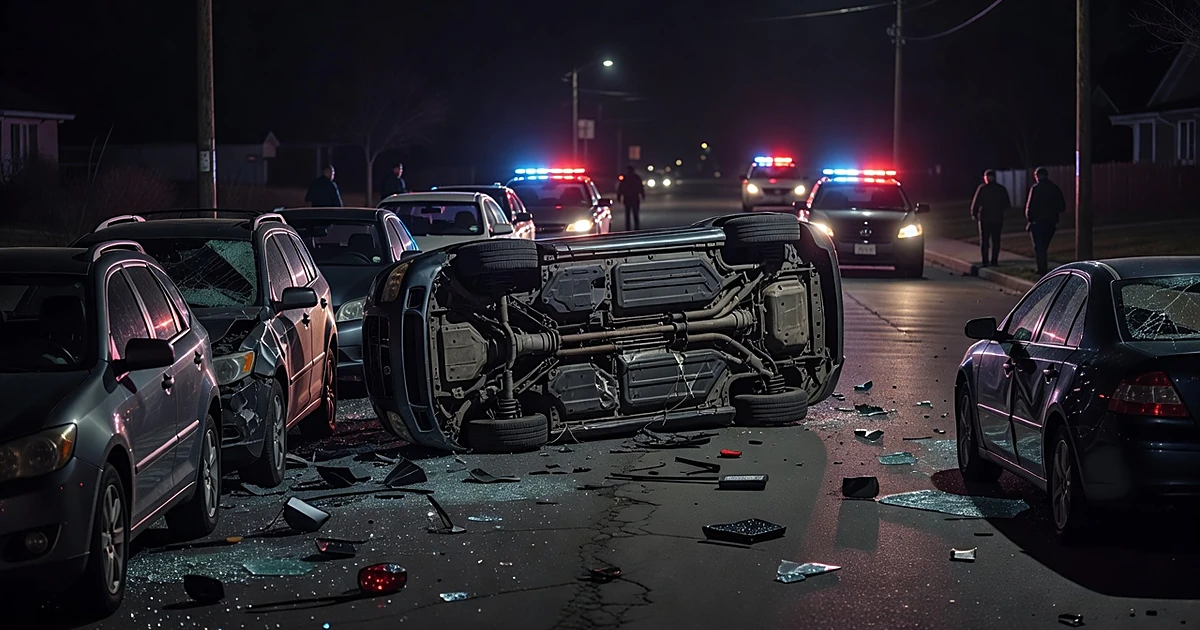
Deputy US Marshal Drew Hanson was shot and killed Monday while attempting to arrest a man who had skipped his own rape and sexual battery trial in Alexandria, Louisiana, a line-of-duty death that now carries the possibility of a federal death sentence for the suspect.
Clarence A. Frazier Jr., 48, of Alexandria, allegedly barricaded himself inside his bedroom and opened fire on the officers who had forced entry into his home to execute an arrest warrant. Hanson was struck and later died from his injuries. Frazier was taken into custody after a standoff and now faces a federal murder charge that carries a maximum penalty of life in prison or death.
The operation was a joint effort between the US Marshals Service and local sheriff's office deputies. Officers obtained a search warrant for Frazier's home on Monday, arrived at the residence, and identified themselves before forcing entry. Inside, they found Frazier barricaded in a bedroom. He allegedly opened fire, mortally wounding Hanson.
A fugitive from his own trial
Frazier was not some unknown figure to the justice system. He had been charged with third-degree rape and sexual battery involving a person with infirmities, AP News reported. He was also a registered sex offender. When he failed to appear for his trial, law enforcement organized the warrant operation that ended in Hanson's death.
That sequence matters. A man already facing serious sex-crime charges chose to run rather than face a jury. When officers came to bring him in, he allegedly chose violence. And a federal officer, a husband and father, paid with his life.
Acting US Attorney General Todd Blanche issued a statement through the Department of Justice. He told Fox News:
"Tragically, the defendant's alleged actions claimed the life of a dedicated law enforcement officer who was simply doing his duty."
Blanche also said Hanson "paid the ultimate price while protecting our communities" and that his "sacrifice will never be forgotten, and his service will forever stand as an inspiration to all who wear the badge."
The acting attorney general made clear the federal government intends to pursue full accountability. "The alleged perpetrator is now in custody and will be held accountable to the fullest extent of the law," Newsmax reported Blanche as saying.
Hanson leaves behind a wife and two children
Drew Hanson was described by officials as a devoted husband, father, and son. He is survived by his wife and two children. US Attorney Zachary Keller called him "a father, a husband, a son, and a child of God."
Hanson now joins a grim roster. The US Marshals Service maintains a roll call of honor listing more than 200 marshals, deputy marshals, special deputy marshals, and marshal guards who have died in the line of duty since 1794. That toll stretches back to the earliest days of the republic, a reminder that serving federal warrants has always been dangerous work, and that the men and women who do it accept risks most Americans never consider.
The shooting in Alexandria is the kind of case that echoes other recent fatal shootings across the country, where suspects chose gunfire over surrender and left families shattered.
The standoff and arrest
After Frazier allegedly shot Hanson, a standoff ensued. Details about its duration and the tactics used to resolve it remain limited. Frazier was ultimately arrested. He sustained injuries during the standoff and was taken to a hospital for treatment. The nature and severity of those injuries have not been disclosed.
The Washington Examiner reported that FBI Director Kash Patel also weighed in, saying: "We will commit our full force of resources to conduct a thorough investigation... to ensure the individual responsible for this horrific act is brought to justice."
Several key details remain unclear. The specific sheriff's office that participated in the joint operation has not been publicly identified. The federal statute under which Frazier was charged, murder of a federal officer, was referenced in the DOJ announcement, but no case or docket number has been released publicly. The type of firearm Frazier allegedly used has not been disclosed.
It is also unclear whether Hanson was transported to a medical facility or pronounced dead at the scene. The July 13 date for the shooting was confirmed by the New York Post, which reported Frazier now faces life in prison or the death penalty.
A system that let a sex offender walk
The harder question behind this tragedy is how a registered sex offender facing active rape and sexual battery charges was free to barricade himself in his home in the first place. Frazier was not picked up on a minor warrant. He was supposed to stand trial on charges involving a victim with infirmities, among the most vulnerable people the justice system exists to protect.
He skipped that trial. And instead of facing a jury, he was in his bedroom with a firearm when officers arrived.
Cases like this one highlight a pattern familiar to communities across the country, suspects with serious charges who remain free long enough to cause further harm. Whether Frazier was released on bond, whether conditions were set, whether anyone flagged the flight risk, none of that has been addressed in public statements so far.
What is known is the outcome: a deputy US marshal is dead, a family lost its father and husband, and a man already accused of sexual violence now faces a federal murder charge.
The federal government's response, at least, has been unambiguous. The DOJ charged Frazier with murder of a federal officer, a charge that carries the most severe penalties available under federal law. Both the acting attorney general and the FBI director have pledged full accountability. That is the right posture.
But accountability after the fact is cold comfort for Drew Hanson's wife and two children. The system had Clarence Frazier Jr. in its sights before Monday, and somehow, he was still free enough to open fire on the officers who came to bring him in.
The broader trend of fugitives evading justice until law enforcement is forced into dangerous confrontations is not new. But each case carries its own weight, its own family, its own cost.
And this one carries the weight of a father who went to work Monday and never came home, because the system let a dangerous man stay free long enough to make sure of it.
When the courts fail to hold violent defendants before trial, it is law enforcement officers and their families who absorb the consequences. Drew Hanson's name on the marshals' roll call of honor is proof enough of that.