Indiana Senate leader Rodric Bray drops leadership bid after Trump-backed challengers oust six colleagues
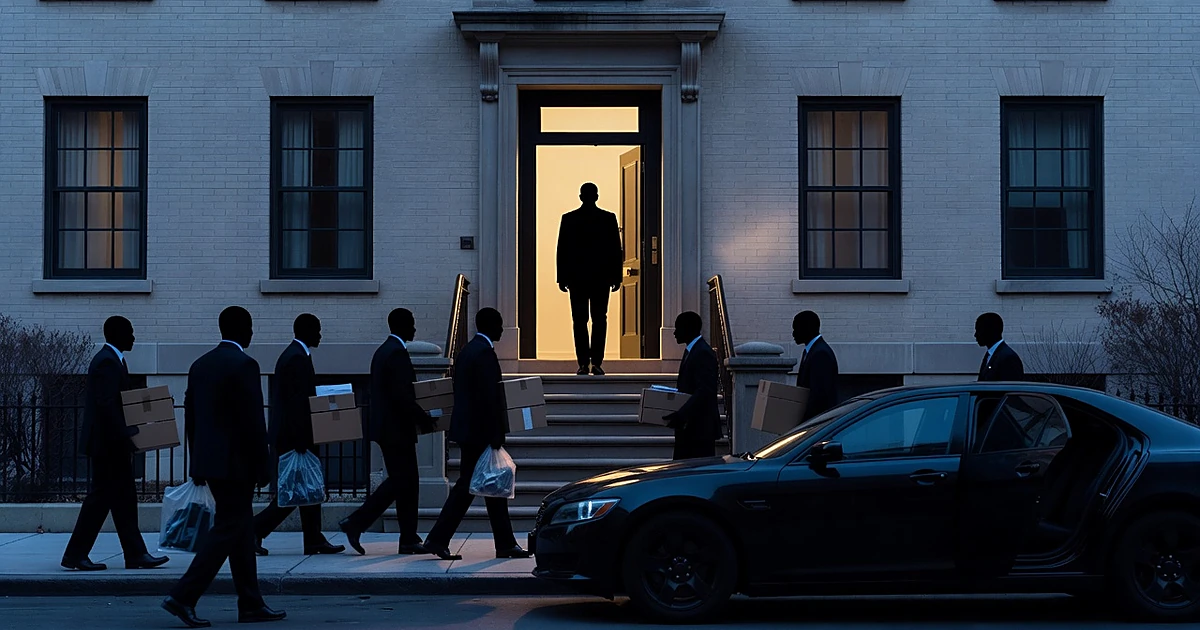
Indiana Senate President Pro Tempore Rodric Bray announced he will not seek reelection to his leadership post after President Trump successfully backed primary challengers against six of Bray's Republican colleagues, a political reckoning rooted in a redistricting fight Bray led.
Bray, who has served in the Indiana state Senate since 2012, made the announcement this week. Senate Republicans will choose their leaders in November, and Bray will not be on the ballot. He did not face a primary challenge himself, he is not up for reelection this cycle, but the damage to his caucus was already done. Six incumbent state senators who had followed his lead on redistricting lost their seats to Trump-endorsed challengers.
The dispute traces back to a December vote in which Bray rallied 21 of the chamber's 40 Republicans to oppose a mid-decade redistricting plan pushed by the White House. The plan, as the Washington Examiner reported, would likely have given Republicans two additional U.S. House seats in Indiana, potentially delivering all nine of the state's congressional seats to the GOP. Bray and his allies voted it down.
Trump responded with a promise of political consequences. On December 13, he posted on Truth Social:
"Headed by a total loser named Rod Bray, every one of these people should be 'primaried,' and I will be there to help!"
He followed through. Trump-backed candidates defeated six sitting senators in their primaries, a clean sweep that stripped Bray of much of his political support inside the caucus.
Bray blocked two House seats, and lost six allies for it
The arithmetic tells the story plainly. Bray organized a majority within his own caucus to stop redistricting that Trump said would have netted the Republican Party two more congressional seats. In exchange, Bray's allies paid with their careers. The trade-off, two potential House seats sacrificed, six state senators removed, left Bray isolated in a chamber he once controlled.
Trump's influence over Republican primaries is not limited to Indiana. His endorsements have reshaped Senate primaries across the country, forcing candidates to align with his priorities or face well-funded challengers.
No direct quote from Bray explaining his decision appeared in the reporting. He offered no public rationale for stepping aside from leadership, at least none that has surfaced. The Washington Examiner characterized the move as potentially aimed at pacifying Trump and averting further losses, though that framing is the publication's, not Bray's stated reasoning.
Trump, for his part, did not accept the gesture quietly. He posted on Truth Social after Bray's announcement, making clear he viewed the outcome as a vindication:
"I am pleased to announce that the man who so foolishly led the Indiana State Senate, with almost every Candidate losing their Race, many of them in Office for years, will not be seeking Re-Election as Senate President because he wouldn't have had a chance to be elected, Better yet would be if he would resign from Office, completely, but he will be met by us at the Indiana Polls."
Trump called the redistricting defeat a cost to the country
In the same post, Trump went further, framing Bray's opposition not as a policy disagreement but as a failure that damaged the party nationally. He wrote that Bray "should be ashamed of himself for costing our Country, mainly the Republican Party, two U.S. House Seats, and for costing all of his colleagues who went along with him, an Election loss."
Trump also thanked Indiana voters, claiming he had won the state with "the Highest Vote in the History of the State" in his presidential election. He credited those same voters with "getting rid of wayward Senators."
The episode illustrates how Trump has used his political leverage to discipline Republican officeholders who break with his agenda, a pattern visible in his confrontations with Senate Republicans on Capitol Hill and in state-level races alike.
Bray remains in the state Senate. He was first elected in 2012, and because his seat is not on the ballot this cycle, Trump cannot primary him directly, yet. Trump's post suggested the fight is not over, writing that Bray "will be met by us at the Indiana Polls" when his seat does come up.
Six careers ended, and Bray offered no public defense
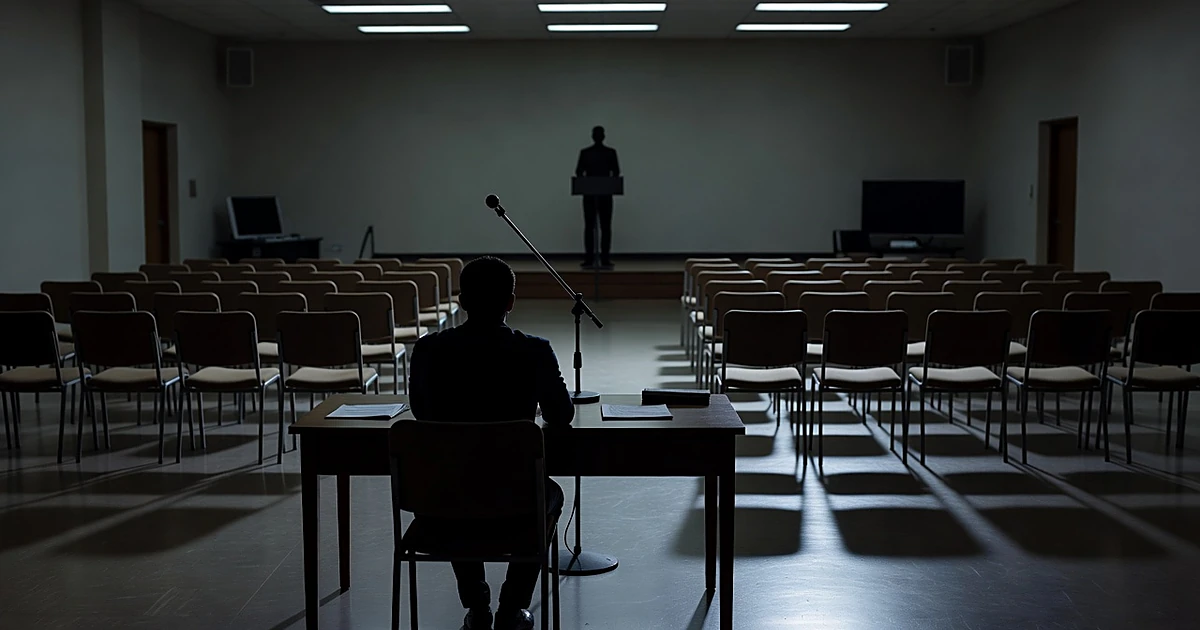
What stands out is the silence. Bray led 21 senators into a fight against redistricting, watched six of them lose their seats, and then stepped away from leadership without offering a public explanation. No defense of the December vote. No argument that blocking redistricting served Indiana's interests. No case that the two potential House seats were not worth the political cost.
That silence leaves the field to Trump's framing: that Bray made a reckless decision, that his colleagues paid the price, and that the Republican Party lost ground in Congress because of it. Whether Bray had principled reasons for opposing mid-decade redistricting, concerns about process, precedent, or the propriety of redrawing maps outside the normal census cycle, none of those arguments have appeared in the public record as reported.
Trump has shown a willingness to intervene directly in political races at every level, from pressuring officials in California's governor's race to reshaping primary fields in state legislatures. Indiana is the latest example, and one of the most decisive.
The November leadership vote will reveal whether Bray's withdrawal is enough to satisfy the new balance of power in the Indiana Senate, or whether the Trump-aligned members who replaced his allies will push for deeper changes. Several open questions remain: who will seek the leadership post Bray is vacating, whether the redistricting issue will return in the next legislative session, and whether Trump will continue to target Bray personally when his Senate seat eventually appears on a ballot.
Trump's broader political record and his willingness to use his influence to reshape the Republican landscape have made one thing clear to state-level officeholders across the country: opposition carries a price, and the bill comes due at the ballot box.
Bray gambled that he could block a redistricting plan backed by the president and keep his caucus intact. He lost on both counts. In politics, the ledger always balances, and voters, not insiders, hold the pen.