Milwaukee police release bodycam of fatal shooting after suspect trades fire with officer
Milwaukee police released body camera video of a fatal September shooting in which an officer traded gunfire with an armed suspect who refused commands after a vehicle chase.
The Milwaukee Police Department put out body-camera footage from a Sept. 23 officer-involved shooting that ended with an armed man dead at the scene after a car chase, a foot pursuit, and an exchange of gunfire, Police1 reported.
Patrol officers spotted a car matching a vehicle wanted in a shots-fired incident. They tried to stop it. A pursuit followed.
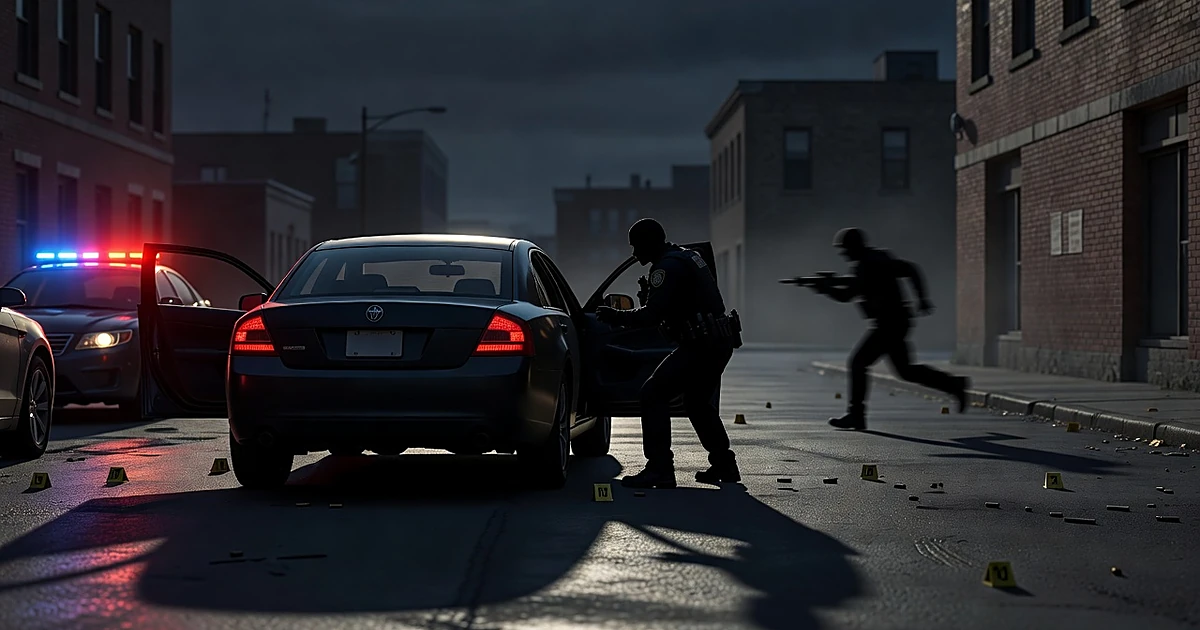
When the car finally stopped, two occupants jumped out and ran. An officer chased one of them, ordered the man to get on the ground, and met refusal instead of compliance. Police said the two then exchanged gunfire.
That sequence is the core of the release. It is not a vague “encounter.” It is a wanted vehicle, a chase, a refused order, and guns in play.
Three guns, one dead suspect, one injured officer
The man who was shot died at the scene even after lifesaving efforts by Milwaukee police and Milwaukee Fire Department personnel. Police said he was holding one firearm when he was shot, had a second gun in his waistband, and a third gun was recovered from the car.
Three firearms around one short pursuit is not a paperwork dispute. It is the kind of armed risk officers meet when a stop turns into a sprint and a suspect will not go to the ground. Communities already reeling from fatal public shootings know how fast a single armed decision can end lives.
The officer involved is 35 years old and has more than three years on the force. He was taken to a hospital for an injury, released, and placed on administrative duty, police said. That is standard practice while the facts are gathered, not a verdict.
The Milwaukee Area Investigative Team is handling the case, with the Wauwatosa Police Department as the lead agency. Names of the officer and the dead man were not released in the account tied to the video. Exact street location, clock times, and the year attached to that Sept. 23 date also were not provided there.
Commands ignored, then gunfire
What the bodycam release does make plain is the order of events police described: a vehicle linked to a shots-fired call, a failed stop, a chase, flight on foot, a clear command to get down, refusal, and then gunfire both ways.
Lawful residents and taxpayers do not get a redo when someone runs from a stop with multiple guns in the mix. Officers do not either. The public record here centers on an armed man who would not submit to a ground order and on an officer who returned fire in that moment.
Other recent cases, from a fatal student shooting arrest to high-profile gun violence after mass attacks, keep the same hard truth in view: when guns come out in public, the cost lands first on whoever is standing in the line of fire, and on the officers sent to stop it.
No charges, statutes, or final investigative findings appear in the material released with this video. The second person who fled the car is not accounted for in that same account. Those gaps belong to the open investigation, not to spin.
Body-worn cameras exist so the public can see the decision point, not so activists can erase the suspect’s choices. Here the described choices include flight, refusal, and an armed exchange. That is why use-of-force reviews start with what the officer faced, not with a slogan.
Families and cities still sorting through other shooting aftermaths, including hard legal fights after national shock events like the Kirk family’s wrongful-death case, understand the demand for facts over theater. Milwaukee’s release puts the chase, the command, and the guns on the record while outside investigators work.
Survivors of other attacks, such as a pastor who lived through a mass shooting, also remind readers what armed chaos does to ordinary people who never asked for it. Separate incidents. Same rule: armed refusal is not a victimless gesture.
Even federal-custody shooting cases that draw national attention, including a man shot by an ICE agent in Austin, get handled through process, evidence, and custody rules, not through instant political scripts. Milwaukee’s officer is on administrative duty while a regional team leads. That is how accountability is supposed to work when the facts are still being locked down.
When a suspect brings multiple guns to a chase and answers a ground order with gunfire, the officer who shoots back is doing the job the public hired him to do, and the review should say so without apology.