Fitton hits FBI for a 12-year drip on Trump Butler shooting files
Judicial Watch’s Thomas Fitton says the FBI’s pace on roughly 75,000 pages tied to the Butler rally shooting would take more than a dozen years, a drip he warns creates the appearance of a cover-up.
Thomas Fitton did not say much about the FBI’s handling of records on Thomas Matthew Crooks and the July 13, 2024, shooting at a Donald Trump campaign rally in Butler, Pennsylvania. In a Fox News Digital interview, the Judicial Watch president said the bureau’s own processing rate would leave the public waiting more than 12 years for a full look at the file.
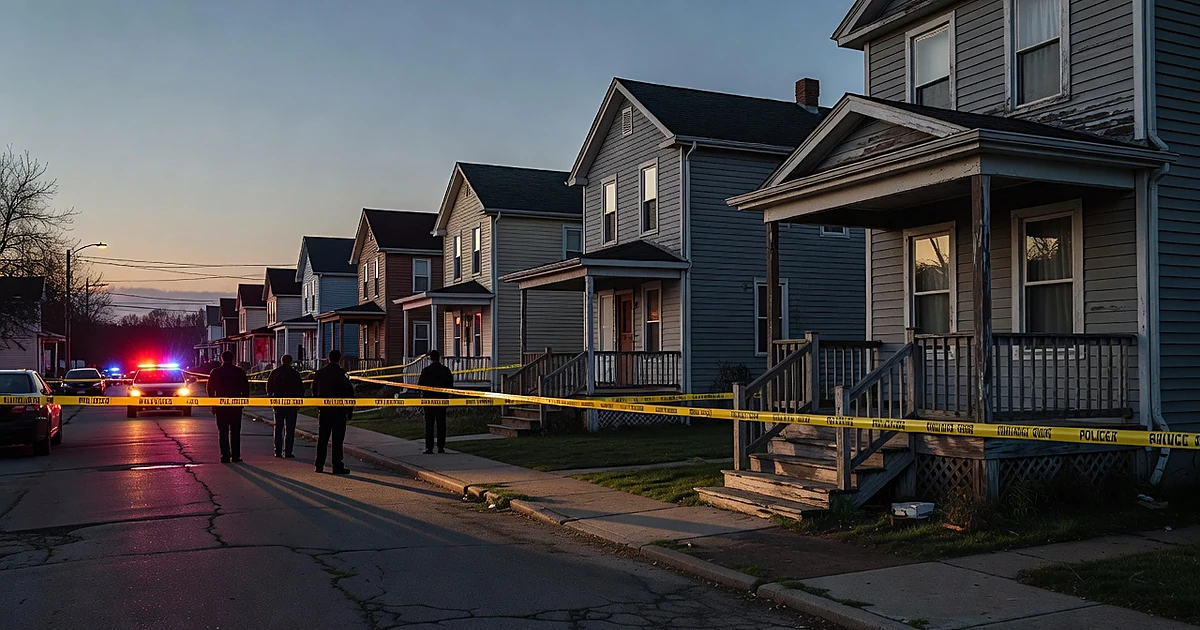
That timeline lands hard for voters still waiting on basic answers. Trump was grazed by a bullet that day. Secret Service agents shot and killed Crooks, the 20-year-old from Bethel Park, Pa., after he fired from the roof of the AGR International building. Fitton says two American citizens were killed as well.
Judicial Watch filed a Freedom of Information Act request in July 2024. The FBI rejected it. The group sued the Department of Justice in 2025 and has since forced out batches of records. Fitton says the full release process covers about 75,000 pages, with the FBI moving at roughly 500 pages a month.
"They are telling us that, at current processing rates, the process will take 12 years. Under the FBI's timeline, we won't even be able to challenge what they withheld until 12 years from now. That is obviously unacceptable, and I would like to know what leadership at the FBI and DOJ think about that position,"
Fitton said.
He framed the fight as a public-interest test, not a privacy exercise. Americans, he argued, need to know how a former president was nearly killed and why key details remain blacked out.
"The public interest in understanding how a former president was nearly killed, and two American citizens were killed, outweighs the privacy interests of anyone being protected in these documents. Unless the court speeds up the process, all we can do is speak out publicly to pressure the FBI and the Department of Justice to take ownership and stop stringing the American people along regarding the Butler assassination investigation,"
he said.
Redacted texts leave the other half of the conversation blank
The newest batch includes a string of short messages Crooks sent between May 2023 and January 2024. The FBI redacted the name of the person on the other end. The outgoing texts read like noise: “Hello... Hello red...Hello red... Hdudhdbdbbd... 7888ejdj... Yolo... Ddodjjf... 890... Hdjd... Djdj... red... Yup red... Hello... Jhhhuuh... Hhdj... Jjjjjjjjjjjj... Hello red... Red red.”
Fitton zeroed in on the missing half of that thread.
"We’re receiving these documents because they're part of the investigation, yet we’re not being told who he was talking to,"
he said. “Withholding that information is a very concerning decision. The American people want to be certain this isn't another JFK situation. By handling it this way, authorities are creating the appearance of a cover-up.”
A prior batch, as described in the same reporting, showed Crooks in a heated argument with rally attendees about Trump shortly before he climbed onto the AGR roof and opened fire. Fitton called the sequence hard to square with any quiet plot.
"Thomas Crooks was behaving erratically in a very public way at the rally. This wasn't a case of someone furtively running around; he was getting into a verbal altercation with individuals about Trump and then immediately went up onto the roof. That just blows my mind,"
he said.
Accountability questions of this kind keep surfacing when federal agencies slow-walk files the public has a right to see, including in cases where ICE has pursued criminal fraud probes tied to high-profile political figures.
Drone logs and 3D-print chats widen the file
Breitbart reported that Judicial Watch received 249 pages of new FBI records through the same FOIA fight after the bureau failed to respond. Those pages include the heavily redacted chat thread and drone flight logs from the Butler area. FBI lab work extracted 40 images and eight drone flight logs, including a flight over Butler on July 13, 2024, the day of the shooting.
Fitton used the release to press the bureau again. “These latest records reveal more pieces of the puzzle surrounding Thomas Crooks,” he said, urging the FBI to “stop the slow drip of heavily redacted records” and put out the full investigative file.
Separate records detailed in the New York Post show Crooks trading messages about 3D-printed parts with unidentified contacts. One exchange asked, “Did you 3D print the parts?” Crooks answered, “Yes, except for the fan blades.” The same files note drone images and flight logs placing him photographing sites that included PNC Park, Acrisure Stadium, and Butler locations hours before the attack. His father told investigators the young man had created a 3D-printed Glock 19 using carbon fiber plastic.
Threat patterns around Trump’s movements have drawn federal attention before, including when an armed man was caught scouting his Los Angeles golf club days ahead of a presidential visit.
Radio warnings about a suspicious male reached command and Secret Service
Just the News reported that an FBI FD-302 investigative summary dated July 16, 2024, describes radio traffic on the day of the Butler shooting about an unknown male acting suspiciously. One report said the man was looking at a law enforcement sniper position. Operators passed the information to Command, the Secret Service, Pennsylvania State Police, and others. A witness also reported hearing six shots that appeared to come from two open windows an unidentified male said should not have been open.
Fitton tied those pages straight to protective failures. “These documents raise troubling new questions about Secret Service failures to protect President Trump. And it shouldn’t have taken years and a federal lawsuit to get this basic FBI material about the near assassination of President Trump,” he said.
Fox News Digital contacted the FBI and the U.S. Secret Service for comment on the Fitton interview package. No replies appear in that reporting. House Oversight members had already pressed then-Secret Service Director Kimberly Cheatle at a July 22, 2024, hearing in the Rayburn House Office Building, days after the rally attack.
National-security cases that drag for years test public patience, whether the file involves a rally shooting or a long-delayed military sentence such as when Trump cleared the way for an Army firing squad in the Fort Hood jihadist case.
Twelve years is not transparency
Fitton keeps returning to the math. “The entire release process involves approximately 75,000 pages. At 500 pages per month, it will take well over 12 years to review them all. To me, that is unacceptable,” he said. He added that the work is not complicated in principle: “It isn't that hard. I believe the president wants it done, and it’s frustrating that the FBI is taking its typical approach to transparency, which is to offer very little.”
The lawsuit continues. Batches keep arriving with names blacked out and threads cut in half. Radio alerts about a suspicious male, drone passes on the day of the shooting, 3D-print chatter, and a public argument minutes before Crooks reached the roof all sit in the same unfinished pile.
Taxpayers fund these agencies to protect presidents and then explain what went wrong when protection fails. A 12-year clock on the Butler file is not a serious answer.
When the FBI treats a near-killing of a president as a slow-motion records project, trust drains, and the public is right to demand the full file now, not in another decade.