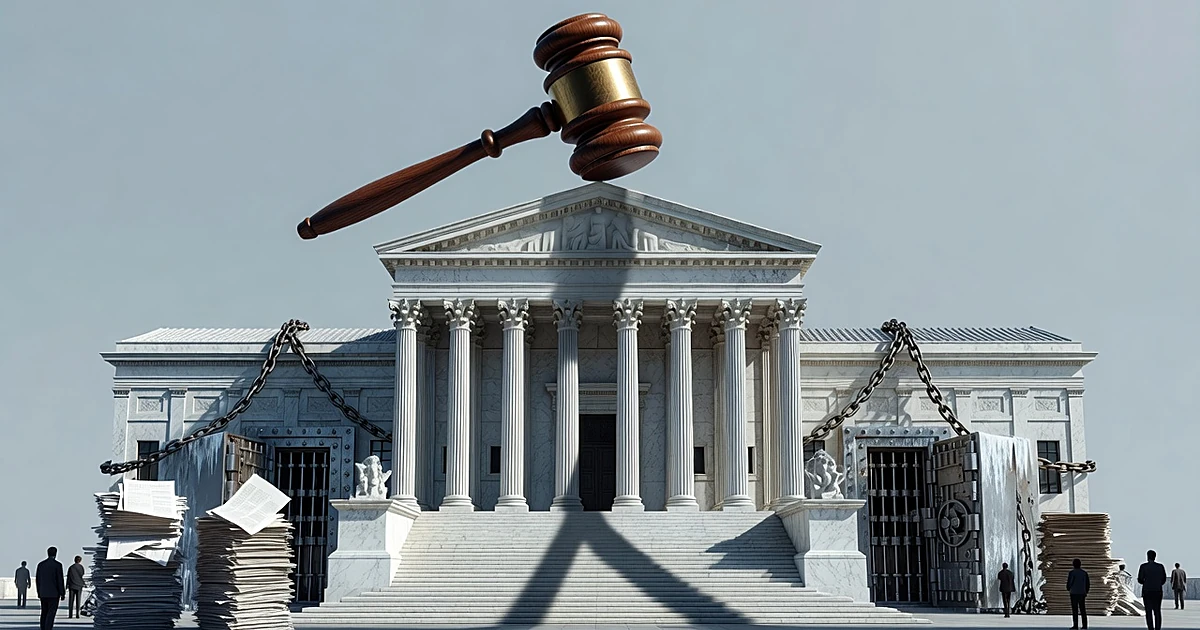
Rubio hits International Criminal Court with sweeping U.S. sanctions
Secretary of State Marco Rubio announced sweeping financial sanctions on the International Criminal Court, vowing to dismantle the rogue body if it keeps threatening Americans and Israelis.
In a pre-recorded video released Friday morning, Rubio said the Trump administration is freezing ICC assets under U.S. jurisdiction and generally barring Americans, U.S. businesses, and banks from doing business with the Netherlands-based court. Fox News reported this is the first time Washington has targeted the institution itself after already sanctioning 17 individuals tied to it, including judges and prosecutors.
The Treasury Department issued a 180-day general license so the court can keep basic operations running during the wind-down. Rubio framed the move as the only way to stop what he called a fake tribunal that claims power over U.S. citizens it was never given.
"Our message is clear: The United States and the American people are not subject to the jurisdiction of this fake ICC," Rubio said.
"Both parties agree on this, but only President Trump has the resolve to take the action needed to end this threat once and for all."
That stance tracks a broader pattern under this administration of using State Department tools to protect American interests abroad, including visa restrictions tied to foreign policy disputes.
Rubio draws a hard line on jurisdiction the U.S. never accepted
The United States never joined the ICC. Rubio stressed the court still acts as if it can haul American service members overseas and even U.S. Border Patrol agents into its dock. He had raised the Border Patrol concern earlier, though reporting notes no evidence the court has actually opened such a case.
Breitbart reported the sanctions cut the court off from U.S.-based financial services, technology companies, and the dollar itself, with a six-month timeline for firms and individuals to end dealings.
Rubio put allies on notice. Many ICC members lean on American troops for their own defense. He said they need to rein the court in or watch Washington keep taking it apart.
"Either the ICC will end its threats, or we will end the ICC. And we expect our allies, many of whom are part of the ICC and that rely on American service members for their defense, to rein in this rogue court."
"If they do not, the United States will continue its campaign to dismantle the ICC piece by piece until Americans are threatened no longer," he added. That same resolve has shown up in other Rubio-led actions, from prior steps against the court to immigration enforcement decisions.
Arrest warrants for Netanyahu and Gallant fueled the clash
The immediate grievance sits with 2024 arrest warrants the ICC issued for Israeli Prime Minister Benjamin Netanyahu and former Defense Minister Yoav Gallant. Both have denied wrongdoing. President Trump’s February 2025 executive order called those warrants “baseless” and said the court overstepped because Israel is not an ICC member.
That order first authorized sanctions on ICC officials. In August the administration personally sanctioned ICC President Tomoko Akane. She has said the court will keep operating anyway.
Friday’s institutional hit landed hours after former ICC judge Navi Pillay received the Nobel Peace Prize. Just the News noted the timing as the administration moved to curb what it sees as abused authority over U.S. personnel and Israeli leaders.
The court’s own history with Americans runs longer. In 2017 an ICC prosecutor sought to investigate alleged U.S. war crimes in Afghanistan. Judges first rejected the request. An appeals panel overturned that decision in 2020. Prosecutors later de-prioritized cases against U.S. personnel and shifted focus toward the Taliban and ISIS-K.
ICC calls the sanctions an attack on its mandate
The court condemned the new measures in a Friday statement. It called them “an assault on the rule of law and on the very foundations of the international legal order.”
"This measure targets an independent judicial institution, created by treaty and entrusted by 125 States Parties with investigating and prosecuting genocide, crimes against humanity, war crimes and the crime of aggression."
It added that the step is “an attempt to obstruct the course of justice and to prevent the Court from doing what it was created to do.” The ICC maintains it can reach nationals of non-member states for crimes committed on the territory of a country that accepted its jurisdiction.
The New York Post reported Rubio’s blunt follow-through: the United States does not need the court and will not let it prosecute Americans. He said President Trump will never allow that outcome.
Rubio has become one of the administration’s steadiest messengers on sovereignty fights, a profile that also shows up in polling on his standing in early 2028 matchups and even light White House birthday tributes.
For now the 180-day license keeps the lights on in The Hague. After that, U.S. dollars, banks, and tech firms are supposed to walk away. The administration has already shown it will use State Department authority on multiple fronts, including revoking legal status that cleared the way for deportations.
A court that claims power over American troops and border agents without U.S. consent should not expect open access to the American financial system. Sovereignty is not a suggestion.