Memphis council tables Musk data center pause as protesters seize hall and brawl breaks out
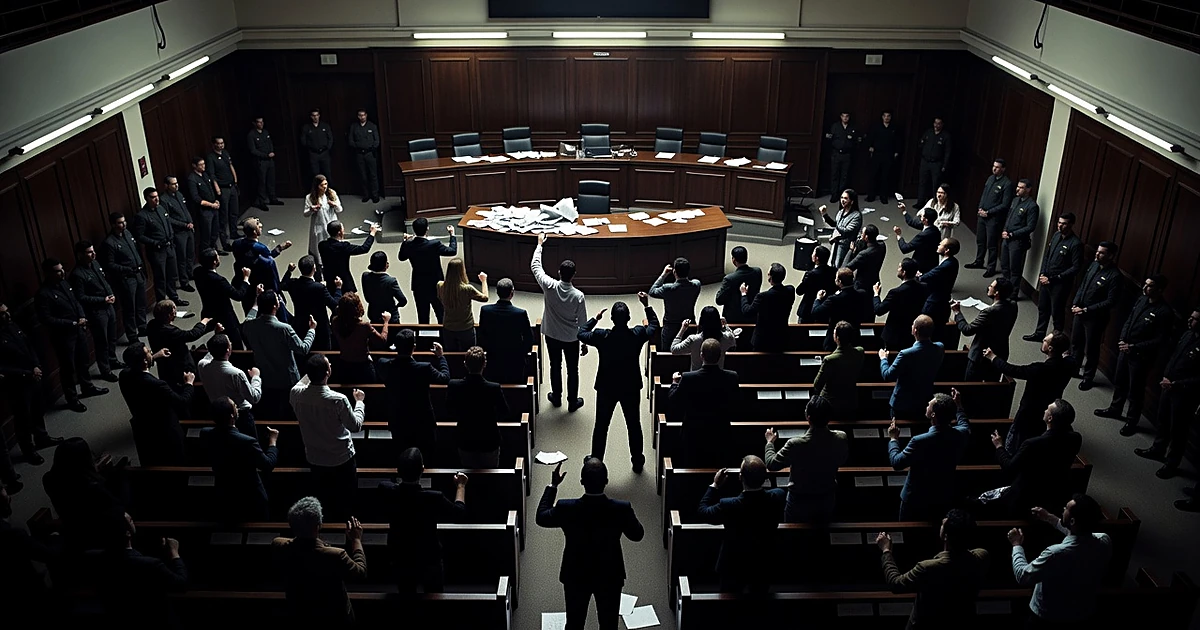
Memphis City Council tabled a planned year-long pause on Elon Musk’s data centers Tuesday night, and the hearing collapsed into shouts, a fistfight near the exits, and a protester takeover police had to clear.
Council members voted 7 to 5 to table the remaining agenda items after roughly 100 protesters packed the Memphis City Council meeting hall. The delayed motion on a 12-month moratorium covering facilities south of the city on the Memphis, Tenn.-Southaven, Miss. border is now set for October 20.
What began as a policy fight over power, water, and jobs ended with harassment of elected officials, bullhorn chants, and officers ordered to empty the room. No arrests were made. The episode left a clear picture of how quickly a local hearing can lose order when activists decide the process itself is the enemy.
Chairwoman Jana Swearengen Washington called a recess and directed police to clear the hall after the vote to table. Protesters moved onto the dais area, shouted down members who remained, and turned the chamber into a stage for chants rather than debate.
A 7-5 vote ends the night’s business
The core proposal was a year-long moratorium on data centers so the city could study effects on health, engineering, power, and water systems. Councilman JB Smiley sponsored the measure and voted against the delay. Councilman Jeff Warren opposed any pause, warning companies would simply locate next door.
The New York Post reported the two large facilities already operating on the border, Colossus and Colossus 2, are run by Musk’s artificial intelligence company SpaceXAI. The original Colossus was built to serve X’s Grok AI bot. A May agreement brought Anthropic in to use the full computing power of the site.
Warren put the competitive reality in plain terms before the meeting spun out.
Councilman Jeff Warren said:
"If we pass a moratorium, there’s not reason for them to think they need to come here. They get the same benefit from going to Desoto County, Crittenden County, Fayette County, Tipton County,"
That is the choice every growth city faces. Pause long enough and the investment, the tax base, and the construction work move one county over. The council’s 7-5 decision to kick the vote down the road did not settle the infrastructure questions. It simply handed the loudest voices in the room another month to organize.
Narrow, high-stakes votes already test institutions; when the losing side refuses the result, the damage spreads fast, much as closely contested political votes elsewhere have shown.
Protesters take the dais and the exits turn physical
After the tabling vote, the hall no longer functioned as a council chamber. Protesters harassed members still on the dais. They used a bullhorn. They chanted “ain’t no power like the power of the people,” “this is our city,” and “show me what democracy looks like.” Video from KWAM News Radio captured accusations that officials were “sellouts.”
At least two women fought near the exits while the rest of the crowd pressed the moment. Police cleared the room. Officers removed the protesters. No one was arrested. The physical clash stayed limited to the two women, yet the message was unmistakable: once the vote went the wrong way, the rules of the meeting no longer applied.
Political meetings that slide into brawls and takeovers fit a wider pattern of street-level pressure replacing argument, the same impulse visible when extremist cells turn policy fights into violence.
Councilwoman Yolanda Cooper-Sutton turned on her colleague in the middle of the disorder.
Councilwoman Yolanda Cooper-Sutton said:
"That’s all he does; he brings up mess, he... that’s all you do, JB Smiley, confuse the people over, over, over and over! Anytime there is an election,"
Smiley, who had wanted the moratorium heard that night, struck a different note after the chamber emptied.
Councilman JB Smiley said:
"When the community shows up, we just have to listen to them. I’m disappointed that we didn’t listen with ears, okay, I hear you, I understand. Let’s figure out how we can do what you want, but also what we believe would be in the best interest of the community,"
Listening is part of the job. Surrendering the floor to bullhorns and fistfights is not. A city that cannot finish a noticed agenda item without clearing the hall is advertising weakness to every company deciding where to build next.
Jobs, power lines, and the price of delay
Data centers draw heavy power and water. That is a legitimate local concern. Memphis has every right to demand hard numbers on grid capacity, rates for ordinary customers, and long-term water use before it green-lights more capacity. A study can answer those questions. A 12-month freeze that competitors in four surrounding counties will not match answers them by losing the projects.
Colossus and Colossus 2 already sit on the Memphis-Southaven line. The May agreement with Anthropic locked in demand for the computing load. The original build served X’s Grok system. These are not speculative drawings on a planner’s map. They are operating assets tied to national AI competition. Cities that treat them as temporary bargaining chips should expect the next wave of investment to skip them.
Policy fights this sharp routinely produce public theater and hard warnings about long-term costs, the kind of disaster alerts investors issue when ideology overrides basic economics.
Warren’s list of alternate counties was not rhetoric. Desoto, Crittenden, Fayette, and Tipton can offer the same regional labor pool and highway access without a city-imposed pause. Once a council signals that a year of uncertainty is the price of doing business inside city limits, site selectors update their spreadsheets and move on.
Taxpayers who want reliable power and growing payrolls have a stake in orderly process. So do the residents who will pay higher rates if infrastructure is strained without planning. Neither group is served when a hearing ends with police sweeping the aisles and members accused of being sellouts for casting a procedural vote.
Order is not optional in a council chamber
Swearengen Washington’s decision to recess and clear the hall was the minimum required to restore control. The fact that it became necessary tells the larger story. Roughly 100 people decided the night’s outcome was unacceptable, occupied the space, and forced the elected body to stop. A fistfight broke out on the way out the door. Officers did their job. Prosecutors filed no charges.
That sequence rewards the tactic. Future crowds learn that volume and physical disruption can shove a scheduled vote onto a later calendar. Elected officials who want to keep the public’s business moving have to draw a brighter line: debate is welcome, takeover is not, and people who fight in the exits face consequences.
Chaotic scenes in official settings already draw bipartisan disgust when public figures treat solemn duties as stage props; outrage at those breakdowns of decorum should apply equally when local chambers are seized.
The October 20 reset gives Memphis another chance to handle the moratorium on the merits. Infrastructure capacity, ratepayer impact, and competitive position all deserve open examination. None of them require bullhorns, dais occupations, or scuffles by the door. A city that wants the next generation of computing investment, and the jobs and tax base that come with it, cannot let the loudest faction set the terms of every meeting.
Lawful residents and businesses deserve councils that finish the agenda, protect the chamber, and decide growth questions with facts instead of fear of the next chant.