Trump declares Iran deal dead after ordering strikes on 80 targets in response to Strait of Hormuz attacks
President Trump said Wednesday he considers the U.S.-Iran memorandum of understanding finished, just three weeks after signing it, following overnight American airstrikes on 80 targets inside Iran. The strikes came in direct response to Iranian attacks on three commercial ships in the Strait of Hormuz earlier in the week.
"To me, I think it's over," Trump told reporters in what the New York Post described as his first public remarks after ordering the strikes. "I don't want to deal with them anymore."
The collapse, if it holds, would unravel a diplomatic framework that called for a 60-day window to reopen the Strait of Hormuz while the two sides negotiated the final status of Iran's nuclear program. Roughly one-fifth of global oil exports pass through that waterway every year. Markets reacted immediately: Brent crude jumped nearly two dollars in pre-market trading, settling around $76.50, while the Dow Jones Industrial Average dropped nearly 600 points and the S&P 500 shed close to a full percentage point.
From Versailles to airstrikes in three weeks
Trump signed the 14-point memorandum of understanding at the Palace of Versailles on June 17 while dining with French President Emmanuel Macron. Secretary of State Marco Rubio was also present, AP News reported at the time. The deal waived U.S.-backed sanctions on Iran, immediately allowed Tehran to sell its oil freely, and started a 60-day clock for a final agreement on Iran's nuclear program, including the dilution of its highly enriched uranium stockpile under IAEA monitoring.
At the signing, Trump acknowledged the difficulty of the negotiations. "This was not easy," he said.
The agreement also included potential sanctions relief and the unfreezing of Iranian assets, a provision that drew sharp scrutiny from lawmakers on both sides of the aisle. Trump himself had previously confirmed plans to unfreeze Iranian assets as part of the broader diplomatic push.
But warning signs appeared almost immediately. Iran's Parliament Speaker Mohammad Bagher Ghalibaf, the regime's lead negotiator, and IRGC Quds Force Commander Esmail Qaani issued threats within hours of the signing. Ghalibaf, a hardline IRGC insider with a long record of anti-American rhetoric, warned that Iran would not honor its commitments if the United States failed to deliver on its own, Fox News reported. Qaani went further, declaring that "Trump is trembling."
Those were not idle words. Similar flare-ups over the status of the Strait of Hormuz had occurred in the weeks since the MOU was signed. Iran insisted that all vessels use a Tehran-approved sea route through the strait rather than a path along the Omani coast preferred by the United States and its allies. Tehran also sought to impose new shipping fees on strait traffic, an assertion of sovereignty the deal was supposed to resolve, not entrench.
Monday and Tuesday: Iran forces the issue
On Monday, Iranian forces attacked commercial ships in the Strait of Hormuz. On Tuesday, they struck again. Three commercial vessels were hit across the two days. The identities of the ships and the nationalities of their crews have not been publicly disclosed.
The attacks amounted to a direct violation of the framework Trump had signed less than a month earlier. The 14-point MOU specifically called for a 60-day window to reopen the strait. Iran chose to close it further instead.
Trump had earlier in the diplomatic process canceled planned strikes on Iran after receiving assurances that the deal had been approved at the highest levels of Tehran's leadership. Those assurances now look hollow.
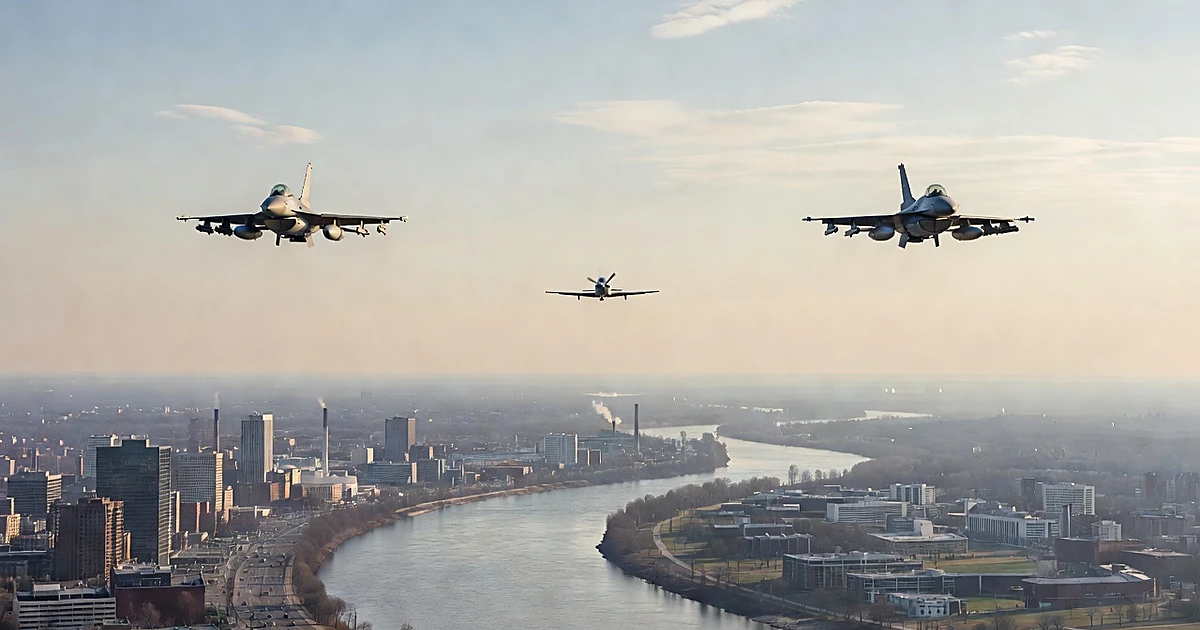
Overnight, in the hours before Wednesday's markets opened, the U.S. military struck 80 targets inside Iran. The Pentagon has not disclosed the nature of the targets, whether they were military or dual-use infrastructure, or whether there were casualties. Trump's public remarks came shortly afterward.
Trump's sharpest language yet
The president did not hedge. He described Iran's leadership in terms that left little room for a diplomatic off-ramp.
"I don't like them at all. And frankly, I think we wasted a lot of time with them, I think we should just do our business."
Asked directly whether the preliminary peace deal was dead, Trump was blunt.
"They're vicious, violent people... so far as I'm concerned, it's over."
He called Iran's leaders "liars" and "cheats," and said dealing with them had been "just a waste of time." He added that he would allow American negotiators to continue talking "if they want," but said plainly: "I don't see it."
Trump also referenced Iranian assassination plots targeting him personally. "I saw a thing this morning, I'm on every single one of their lists," he said. "And so far, I guess I've been a little bit lucky. But that maybe doesn't last very long."
The president's remarks reflected a broader frustration. The destruction of Iran's nuclear program was his core objective in the conflict, and the MOU was supposed to provide a path to that end. Instead, Iran escalated within weeks of signing.
Iran's response: defiance
Ghalibaf, Iran's lead negotiator, issued a morning statement on X, formerly Twitter, that matched Trump's tone in the opposite direction.
"The era of bullying and extortion is over. It leads nowhere. We don't fold."
The statement offered no indication that Tehran intended to return to the negotiating table. It also offered no acknowledgment that Iran's attacks on commercial shipping in the strait had triggered the American response.
Congressional dynamics around the conflict remain complicated. The Senate recently blocked a Democratic effort to force Trump's hand on Iran war powers, though four Republican defections signaled unease within the president's own party about the scope of the engagement.
Markets feel the fallout
The financial reaction was swift. Brent crude's nearly two-dollar jump reflected immediate concern about disruption to the world's most important oil chokepoint. The Dow's 600-point slide and the S&P 500's losses signaled broader anxiety about an open-ended military confrontation with Iran.
Those market moves carry real consequences for American consumers and businesses. If the strait remains contested, or if Iran retaliates further, energy prices could climb well beyond Wednesday's levels.
The deal's promise of allowing Iran to sell oil freely, a major U.S. concession at the time, now looks like a giveaway with no return. Washington waived sanctions and moved to lift the naval blockade as part of the broader push toward an agreement. Iran pocketed those concessions and attacked commercial shipping anyway.
What remains unanswered
Several questions remain open. What exactly did the U.S. military hit in its 80-target strike package? Were there Iranian casualties? Has Iran's nuclear infrastructure been degraded, or were the targets limited to conventional military assets? Is the Strait of Hormuz currently open to non-Tehran-approved vessels, or effectively closed?
And the biggest question: Is the MOU truly dead, or is Trump's language a negotiating posture, the kind of rhetorical escalation that sometimes precedes a revised deal? Trump left a narrow opening by saying he would let negotiators keep talking. But his tone suggested he had reached a conclusion, not a bargaining position.
Critics of the original deal, including former President Obama, who questioned whether the country might be worse off than before the conflict began, will find fresh ammunition in this week's events, though for very different reasons than Obama intended.
The pattern holds
The broader lesson is one conservatives have articulated for decades: regimes that sponsor terror, plot assassinations against American leaders, and attack commercial shipping do not become reliable partners because they sign a document at a French palace. Iran's behavior since June 17 has followed the same script Tehran has run for 45 years, agree, pocket concessions, escalate, and dare the other side to respond.
Trump responded. Whether that response produces a better deal, a wider conflict, or a prolonged stalemate depends on what comes next. But the president's instinct, that Iran's word is worthless, is supported by three weeks of evidence.
When someone shows you who they are on Monday and Tuesday, you don't wait until Thursday to believe them.