Trump stands by second Mohammed jab at Georgia rally
President Donald Trump brushed off criticism and repeated a Mohammed name joke at a Georgia hangar rally, telling the crowd he can call people whatever he wants as president while Michigan Democrats cried foul.
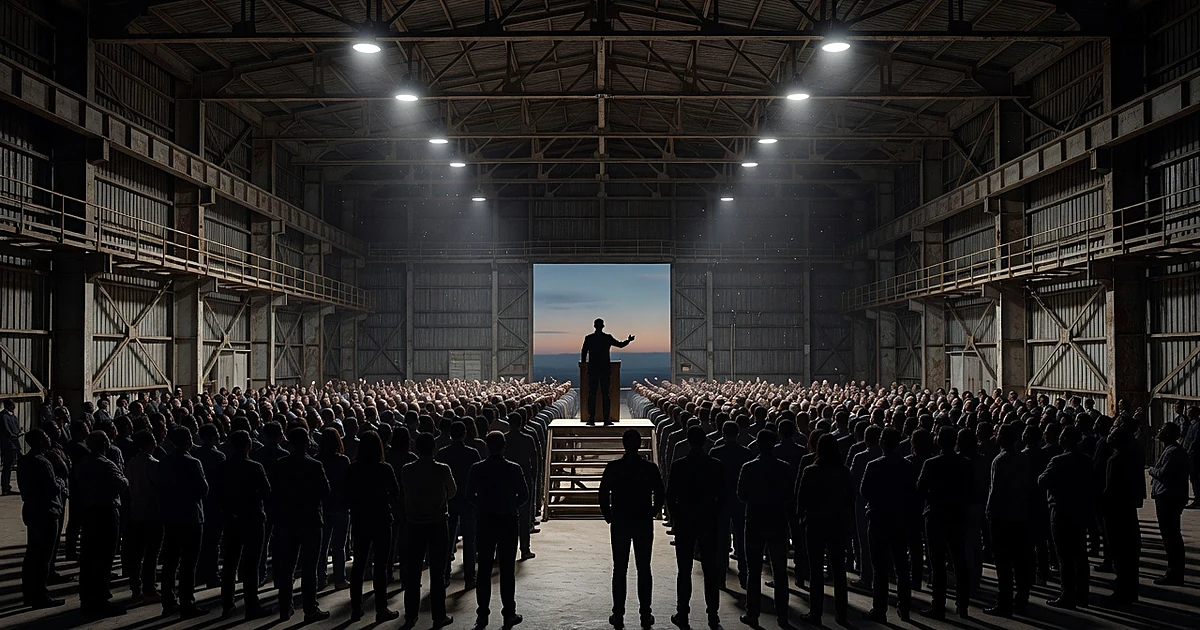
President Donald Trump told supporters inside a hangar at Dalton Municipal Airport in Georgia on Friday that he took heat for calling Michigan Democratic Senate candidate Abdul El-Sayed “Mohammed” and did not care. Daily Caller reported the remarks, captured in a C-SPAN post from October 16.
Trump framed the jab as his right in office and tied it to earlier comments nine days before, when he labeled the same candidate on Truth Social. The exchange sits inside the open Michigan Senate race for the seat being vacated by retiring Democratic Sen. Gary Peters, where El-Sayed faces Republican Mike Rogers, who carries Trump’s endorsement.
Trump told the crowd: “You know, I took a lot of heat for calling him Mohammed. I don’t care. I’m the president of the United States. I can call you whatever the hell I want. I can call you whatever I want, Mohammed.”
"You know, I took a lot of heat for calling him Mohammed. I don’t care. I’m the president of the United States. I can call you whatever the h*** I want. I can call you whatever I want, Mohammed."
C-SPAN’s X post carried a shorter cut of the same line: “I don’t care, I’m the President of the United States. I can call you whatever the h*** I want.” The president delivered the lines to a rally crowd in the hangar setting while campaigning in the state.
Earlier Truth Social post set the name in play
Nine days before the Georgia remarks, on the night before El-Sayed’s October 8 debate in Grand Rapids, Trump posted on Truth Social and called the candidate “Mohammed El-Sayed.” He branded him a “RADICAL Extremist, Terrorist Sympathizer” who “goes back to the days of the Jihad,” according to the Associated Press account carried in the reporting.
El-Sayed answered the next morning on X. The Muslim former health official, whose first name is Abdulrahman, said Trump knows his real name and uses the wrong one to hit broader targets.
"He knows my name is Abdul. He says it everyday. But he’s not just attacking me. He’s attacking all of us. He thinks so low of us. He thinks he can use my name and my faith to distract us from the suffering his policies are inflicting on us at the pump, at the grocery store, and at the doctor’s office. He thinks we don’t know any better. It’s time for change."
El-Sayed has trailed in advertising money by close to two-to-one in the race. The two candidates already debated once in Grand Rapids on October 8 and are set to meet again on October 21.
Senate Minority Leader Chuck Schumer called the president’s language bigoted, per The Hill’s account of the reaction. Muslim advocacy groups have long accused Trump of demeaning their communities. A Council on American-Islamic Relations report this year linked rising anti-Muslim sentiment partly to Trump’s immigration enforcement, Reuters noted.
Rogers holds the endorsement in open Michigan seat
Mike Rogers enters the contest with Trump’s backing for the open seat. The race has drawn national attention as Democrats try to hold the Michigan line after Peters stepped aside. El-Sayed has cast the name dispute as a faith attack meant to shift focus from prices and medical costs.
Trump’s Georgia stop kept the same phrasing in circulation rather than walking it back. He told the hangar audience the criticism did not move him and repeated the name on stage. Fox News and other outlets tracked the earlier Truth Social language alongside the fresh rally lines.
The pattern fits a president who rarely softens campaign rhetoric once it is out. Similar push-and-pull with lawmakers has shown up in other fights, including when GOP senators led by McConnell pressed Trump on energy deals.
Trump has also framed contested moves as straightforward America First choices, the same way he defended a Russian diesel import arrangement against Senate objections.
Critics reach for bigotry charge while voters watch the race
El-Sayed’s X reply tried to turn the name into a broader claim about faith and policy pain at the pump and grocery store. Schumer’s bigotry label followed the same track. Trump’s answer in Dalton was blunt: he is president and will use the words he chooses.
No arrests, filings, or formal sanctions attached to the remarks themselves. The story stays in the lane of campaign speech, social posts, and the Michigan ballot fight. CAIR’s report and advocacy statements supply the institutional pushback side; Trump’s stage lines and Truth Social post supply his.
Administration moves that skip traditional votes have drawn their own institutional noise before, as when the Trump administration dismantled long-criticized USAID without a congressional roll call.
Court and agency friction has appeared in other lanes too, including the episode where the Justice Department apologized after Trump ads kept running past a court block.
Foreign-policy tempo has stayed brisk as well, with steps such as the moment Trump locked in an immediate Russia-Ukraine halt on energy strikes.
Voters in Michigan will settle the Senate choice between Rogers and El-Sayed. The name fight gives both sides a clean contrast heading into the October 21 debate: one candidate treats the label as fair political speech, the other treats it as an attack on faith and distraction from prices.
Presidents set the tone they intend to keep. Trump made his plain in a Georgia hangar and left the critics to answer it on the trail.